
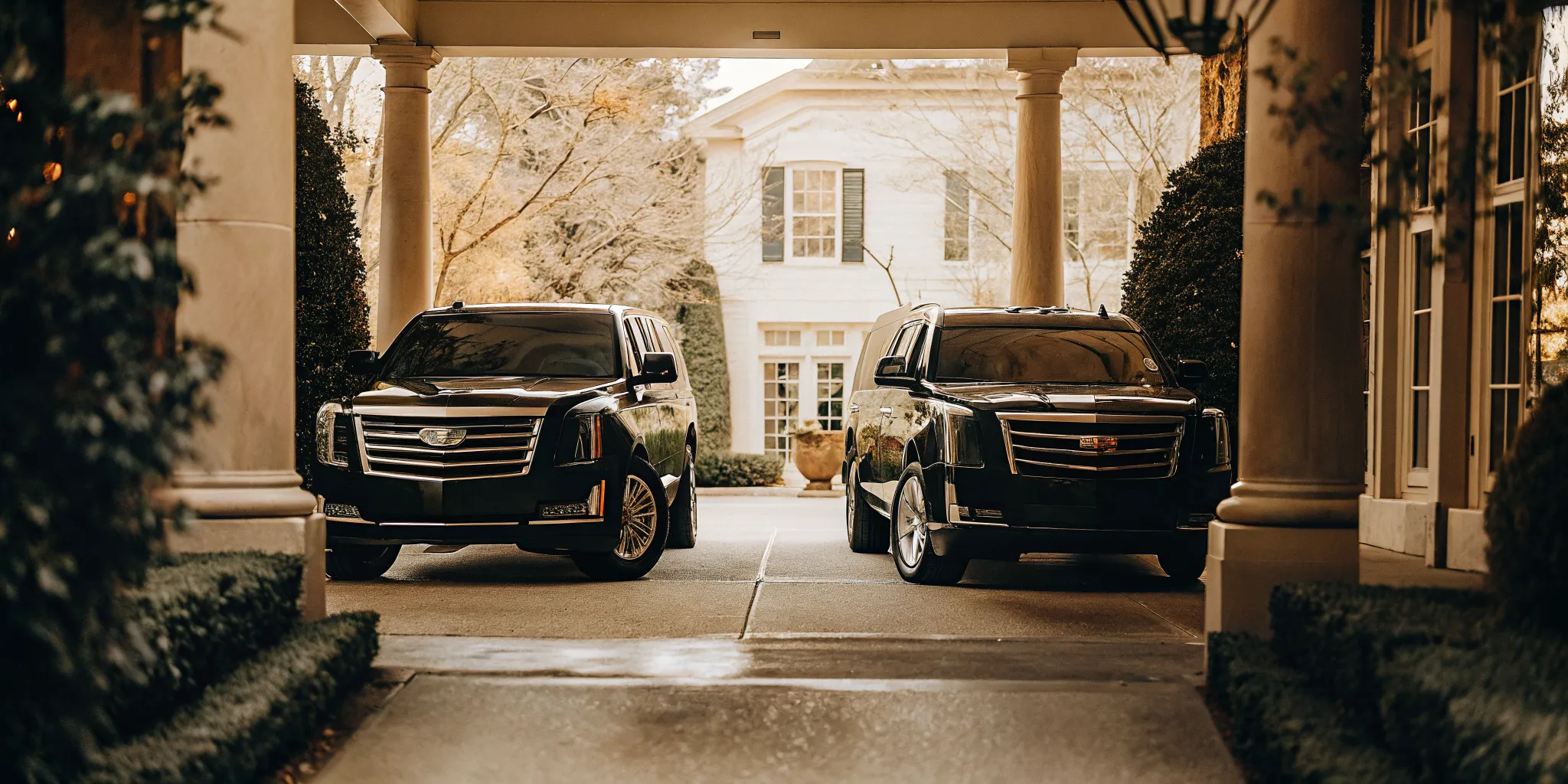
Masters Week lodging is not a room choice; it is a hosting strategy. For corporate groups, the wrong base can fragment schedules, limit private conversations, and add avoidable pressure.
Request a tailored quote for your Masters Week group stay
Masters private home vs hotel decisions turn on group size, privacy, service expectations, and how you plan to host between tournament sessions. For larger corporate groups, a private home usually offers the stronger setting, with shared living areas, dining space, kitchens, and room for discreet conversations. A luxury hotel suits smaller parties that value staffed services, predictable standards, separate rooms, and easy access to restaurants or meeting venues. Compare the full hosting plan, not nightly rates alone, because hotel rooms can exceed $600 per night during Masters Week. The better choice keeps guests comfortable, logistics controlled, and every important interaction confidently on schedule without sacrificing service, privacy, or the guest experience. Superior Executive Services can coordinate lodging, hospitality, and logistics around those priorities.
The real question is which setting gives your guest list the right balance of privacy, service, and control from arrival through departure. Masters private home vs hotel: the quick decision compares both options against the hosting moments that matter most. Here’s how.
Masters private home vs hotel: the quick decision
The executive choice
Choose a private home when the stay must also serve as a private base for hosting, meals, and informal meetings. Choose a hotel when guests need separate schedules, familiar service standards, and easy access to staffed common areas.
For most corporate groups, the deciding issue is how much time everyone should spend together outside the course. A home supports a shared agenda and discreet conversations. A hotel gives each guest more freedom and reduces the host’s role in managing the property.
Side-by-side decision guide
Use this comparison to match the stay with the guest list and purpose. It also helps planners spot duties that need an owner before arrival.
| Decision factor | Private home | Hotel |
|---|---|---|
| Privacy | Exclusive setting for invited guests | Private rooms, but shared public areas |
| Shared space | Living, dining, and outdoor areas support time together | Group space may require a reservation |
| Meetings | Good for informal talks and hosted meals | Better for formal sessions when meeting rooms are available |
| Staffing flexibility | Catering and housekeeping may be added by arrangement | On-site staff follow set hotel services and hours |
| Consistency | Features and standards vary by property | Room setup and service are more predictable |
| Group coordination | One home base makes group briefings easier | Separate rooms suit guests with different plans |
A private home usually offers more shared space than separate hotel rooms. Yet planners should confirm internet, room layouts, transport access, meal plans, and staffing. Those details shape whether the home works as a true operating base.
The final decision test
Select the home if privacy, group time, and hosted conversations are central to the trip. Select the hotel if predictability and independent guest schedules matter more. Neither option removes the need for a clear transport plan and named point of contact.
The accommodation choice should also fit the wider plan for corporate event hospitality planning. Review guest needs, daily movements, and backup plans together, rather than treating the room choice as a stand-alone booking.
Large events also call for practical health planning. The CDC guidance for travel to mass gatherings notes that attendees face more exposure to respiratory viruses. A private home may limit shared public space, while a hotel’s on-site staff may make support easier to find.
Which option creates the better group experience?
For a corporate host, the better choice depends on how the group should spend time together. A private home can create one shared base for meals, briefings, and relaxed talks. A hotel offers separate rooms, familiar service, and clear boundaries between scheduled events and personal time.
Privacy and discretion
A private home usually gives the group more control over who enters shared areas. Guests can meet in a living room or dine together without crossing a busy lobby. That setting may suit sensitive client talks or hosts who want a discreet place away from other tournament visitors.
Privacy still varies by property, location, staff plan, and nearby homes. Hosts should ask who has access, how arrivals work, and whether service teams will be present. A hotel may offer less control in public areas, but its separate rooms can give each guest more personal space.
Natural places to gather
The main group advantage of a home is its natural flow. Kitchens, dining rooms, patios, and living areas can keep guests together without another reservation. Some rental homes offer private catering and housekeeping, but those services are not included with every property.
Hotels can be easier when guests want freedom to come and go. On-site dining, lounges, and meeting rooms may support a planned agenda. Yet the group can become scattered across rooms or public spaces. When comparing private home options in Augusta, map each gathering to a specific space before booking.
The host and guest experience
A home can feel more personal because the host controls the pace, food, and shared time. It also places more weight on planning. Transport, meals, housekeeping, internet, security, and guest requests need clear owners. The right support team can manage those details without making the stay feel staged.
A hotel gives guests a known service model and a front desk for individual needs. That structure can reduce the host’s direct workload. Still, a hotel cannot promise that every room, meal, or interaction will feel private. Service levels and group facilities differ widely among hotels.
Neither option removes the need for a thoughtful guest plan. The CDC notes that mass gatherings increase exposure to respiratory viruses, so hosts should plan for health needs and unexpected changes. The best Masters private home vs hotel choice is the one that fits the group’s preferred balance of connection, independence, and discretion.

Meeting space, dining, and hospitality flexibility
A private setting for conversation
A private home can serve as both lodging and a calm base for the group. Living rooms, patios, and dining areas support informal meetings without moving guests between venues. The setting also gives hosts more control over the pace, seating, and level of privacy.
That flexibility can help when a course day ends early or a client wants to continue a useful conversation. Hosts can shift from drinks to dinner without watching a hotel meeting-room clock. For groups focused on guest safety planning, that ease can make the stay feel more natural.
Dining on the group’s schedule
A full kitchen creates options that a standard guest room cannot provide. The group may arrange breakfast before an early departure, snacks after the course, or a hosted dinner later that evening. A private chef or caterer may also be available, but these services are not automatic.
Confirm the chef’s hours, menu, dietary needs, service staff, cleanup, and grocery plan before arrival. Check the actual dining capacity as well. A home with enough bedrooms may not have enough seats, place settings, or indoor space for every guest.
Hotels take a more set approach. On-site restaurants, room service, banquet teams, and bars can simplify dining when their hours and capacity suit the group. They may also offer formal meeting rooms, presentation equipment, and staff who work from established service standards.
Details to confirm before booking
The Masters private home vs hotel choice should reflect the planned use of each day, not just the room count. Ask where private talks will happen and whether guests can dine together. Also confirm internet access, parking, quiet hours, vendor access, and any rules for visitors or hosted events.
For a home, request written details for housekeeping, catering, chef service, and on-site support. For a hotel, confirm meeting-room availability, food minimums, reservation rules, service hours, and cancellation terms. In both cases, identify who can solve a problem during the stay.
Masters Week draws a large crowd, so the plan should also cover changes and disruptions. The CDC recommends planning for unexpected events before attending a mass gathering. A clear backup for dining, transport, and guest needs protects the schedule when plans shift.
How does lodging affect Masters Week transportation?
During Masters Week, lodging is not just where the group sleeps. It sets the starting point for every course transfer, dinner, airport run, and guest arrival. In a Masters private home vs hotel decision, the best address is the one that supports the group’s daily movement.
A well-planned Masters experience pairs lodging with chauffeured transportation from the start. The planner maps each route, confirms pickup points, and leaves time for traffic and security checks. That approach keeps guests focused on the event rather than finding rides or coordinating separate cars.
One address or several pickup points?
A private home gives the full group one shared departure point. Guests can gather over breakfast, receive the day’s briefing, and board together. This setup works well when the host wants one coordinated course arrival and a smooth return for evening plans.
A hotel can make staggered arrivals easier because the front desk offers a clear meeting place. Yet a busy lobby and crowded entrance can slow a group departure. If guests stay across several hotels, each added pickup creates another route, timing window, and chance for delay.
Airport runs need their own plan because guests may arrive at different times or through different airports. The CDC advises travelers attending mass gatherings to plan for unexpected events, which is also sound logistics advice. A delayed flight, changed dinner, or early departure should not disrupt the rest of the group.
Driver staging and daily routes
Chauffeured service works best when drivers have a safe, clear place to wait. A hotel may offer a marked loading area, but the planner must confirm access during peak hours. At a private home, the driveway layout, parking space, and neighborhood rules should be checked before arrival.
The daily plan should separate fixed transfers from flexible ones. Course departure times are usually firm, while dinner returns or guest errands may change. A lead vehicle can move the main group, while a second vehicle handles late guests and schedule shifts.
- Set one named pickup point at the lodging property.
- Share driver names, vehicle details, and contact numbers with guests.
- Build separate windows for course transfers, dinners, and airport runs.
- Give drivers a staging plan for both the lodging property and each venue.
- Keep a backup vehicle available for staggered arrivals or late changes.
Choosing lodging around the itinerary
The right choice depends on how the group will move. A private home often suits guests who share most meals, transfers, and evening plans. A hotel may suit independent travelers who need separate arrivals, room service, or flexible departures.
Neither option removes the need for detailed transport planning. The lodging choice simply changes the plan’s shape. When you contact the Superior Executive Services team, map each guest’s full day before selecting the property. That review shows whether one shared base or a hotel lobby will make the experience easier to manage.
How to choose between a private home and hotel
The Masters private home vs hotel choice should start with the group’s needs, not the room type. A hotel offers a set service model and separate guest rooms. A private home can create one shared base, but every service must be confirmed in advance.
Define the trip requirements
Build one planning brief before reviewing properties or hotels. Include the guest list, host goals, daily plans, privacy needs, and service expectations. This keeps the group focused on fit instead of appealing photos or a familiar hotel name.
-
Set the priorities. Rank privacy, shared time, individual service, and ease of arrival. Decide whether the stay supports client hosting, a team reward, or a personal trip.
-
Map each day’s schedule. Note expected departure times, tournament days, dinners, and private meetings. Add realistic time for guest pickups, traffic, and changes to the plan.
-
Validate sleeping and gathering spaces. Match each guest to a suitable room and bathroom plan. Then confirm that dining and lounge areas can hold the full group with ease.
-
Confirm chef and transportation logistics. Ask where meals will be served and how dietary needs will be handled. Check vehicle access, parking, pickup points, driver coverage, and backup plans.
-
Review service responsibilities. State who handles housekeeping, luggage, groceries, guest requests, and schedule updates. Hotels may include some tasks, while a private home may require arranged staff.
-
Request a tailored quote. Ask for one proposal that shows lodging, staff, meals, transportation, and added services. Compare the full plan, exclusions, and cancellation terms rather than a room rate alone.
Test the daily flow and spaces
A good layout supports the way guests will spend their time. For a private home, verify bedroom locations, bathroom access, Wi-Fi, dining seats, and quiet areas. This matters when hosting clients during Masters Week, since informal time together may be part of the experience.
For a hotel, confirm whether rooms can be placed near one another. Ask where the group can meet before departure or gather after the tournament. Also check restaurant hours, private dining options, and how the front desk will handle guest changes.
Walk through every day from the first pickup to the final return. A shorter drive does not solve a weak pickup plan. The right choice makes arrivals, meals, rest, and hosting easy for the full group.
Confirm service and proposal details
Ask for a written responsibility list before making a choice. It should name the contact for transportation, meals, housekeeping, property issues, and late changes. It should also explain which services are included, arranged on request, or left to the host.
Include health and contingency planning in the same review. The CDC advises travelers attending mass gatherings to plan for unexpected events and find local medical services. Ask how the team will respond to a delayed arrival, vehicle issue, guest illness, or schedule change.
Finally, request proposals built around the same guest list and schedule. A fair comparison should show what each option requires from the host. That view makes hidden gaps clear before the group arrives in Augusta.
Planning tradeoffs corporate hosts should settle early
Set the operating plan before choosing between a Masters private home vs hotel. Corporate groups need more than enough beds and an attractive address. A polished property can still fail the group if arrivals, meals, meetings, and daily departures do not work smoothly.
Property fit and guest count
Start with a confirmed guest list, room assignments, and the purpose of the stay. A home may suit a group that wants private meeting space and shared meals. A hotel may fit guests who value separate schedules, front-desk support, and clear personal boundaries.
Review the full property layout instead of relying on its bedroom count. Check bathroom access, dining seats, quiet work areas, Wi-Fi, parking, and space for staff. When hosting clients during Masters Week, each room should support a specific part of the guest plan.
- Confirm who stays on-site, who visits, and who needs private space.
- Match shared areas to planned breakfasts, briefings, dinners, and informal conversations.
- Check stairs, entry paths, and other access needs before assigning rooms.
Service ownership and backup plans
Write down who owns each service before guests arrive. For a private home, confirm responsibility for housekeeping, meal service, groceries, maintenance, and after-hours issues. At a hotel, confirm which requests the property handles and which remain with the corporate host.
Backup plans should cover more than the property itself. The CDC advises travelers attending mass gatherings to plan for unexpected events and find local emergency medical services. Corporate hosts should also document alternate transport, key contacts, and a response plan for delayed arrivals.
- Name a decision-maker for property, guest, and service issues.
- Keep a current contact sheet for drivers, staff, vendors, and guests.
- Confirm an alternate plan for meals, transport, and urgent property problems.
Access and transportation control
Distance alone does not show how easy a property is to use. Review pickup points, vehicle access, parking limits, luggage handling, and the route from each entrance. Also decide how guests will receive updates when plans shift.
One transportation coordinator should manage the master schedule and communicate with drivers and hosts. That person can track arrivals, group departures, guest changes, and backup vehicles. Guests then have one clear contact instead of sorting through messages from several people.
The right tradeoff is the option with the fewest unresolved duties. Before signing, run through a full day from breakfast to the final return. Any unclear handoff should receive an owner, a deadline, and a backup plan.
Get a tailored Masters Week lodging and hospitality plan from Superior Executive Services
Frequently Asked Questions
What is the cost difference between renting a home and staying in a hotel for the Masters?
The better comparison is the full trip cost, not the advertised room or rental rate. Hotel rooms that normally cost $150 per night can reach $600 or more during Masters Week. A home quote may require added catering, housekeeping, transport, or guest support. Request proposals for the same dates, group size, services, and cancellation terms before choosing.
Do private home rentals include catering for Masters groups?
Some Masters Week private homes offer optional catering, private chef service, and housekeeping, but these services are not standard with every rental. Ask whether the quoted price includes staff, groceries, service hours, cleanup, and support for dietary needs. Also confirm vendor access rules and kitchen capacity. Written details prevent the corporate host from managing unexpected meal or staffing issues during the stay.
Are hospitality packages worth it compared to a private home rental?
Hospitality packages and private homes solve different needs, so value depends on the guest agenda. A package may combine several trip elements under one plan. A private home provides a dedicated base for meals, conversations, and time together. Compare lodging quality, included services, transportation, hosting space, support contacts, and cancellation terms. Choose the option that covers the full itinerary with fewer planning gaps.
When should corporate groups book Masters Week lodging?
Corporate groups should begin once the guest count, hosting goals, dates, and budget are clear. Early planning provides more time to compare room layouts, service terms, transportation access, and dining capacity. Before signing, confirm each guest’s sleeping arrangement and the full daily itinerary. A rushed booking can secure beds while leaving important gaps in privacy, group space, staffing, or transport.
Ready to Choose the Right Masters Week Stay?
Waiting too long can narrow your options and force your team to accept an arrangement that does not fit the guest list. Starting now gives you time to align privacy, service, transportation, and hosting plans before schedules become harder to coordinate. An early decision also lets your hosts focus on guests instead of resolving avoidable accommodation details during Masters Week.
Ready to plan a stay that supports your group and reflects well on your company? Request a tailored quote to discuss your priorities, group size, and preferred hosting style. Contact Superior Executive Services now to begin shaping a clear accommodation plan with fewer last-minute compromises. A clear plan today gives every decision-maker time to review the details.