
A sports event weather contingency plan protects the schedule, transport, hospitality access, and comfort behind a VIP event experience. For executive hosts, the objective is not simply to react when conditions change. It is to preserve composure, protect guest time, and give every partner a clear decision framework before the first arrival.
Request concierge travel support for a weather-ready VIP sports itinerary.
An effective plan defines who monitors official weather information, which conditions trigger action, where guests will shelter, how transport will reposition, and when updates will be issued. It also prepares credible alternatives for delays or postponements. The result is a controlled response that keeps safety guidance, executive priorities, and hospitality standards aligned.
Weather cannot be controlled, but the guest experience can be managed with precision. Superior Executive Services approaches contingency planning as an integrated concierge responsibility. Venue rules, ground transport, accommodation, dining, guest communications, and alternate activities all belong in one operating plan, not in disconnected notes held by different vendors.
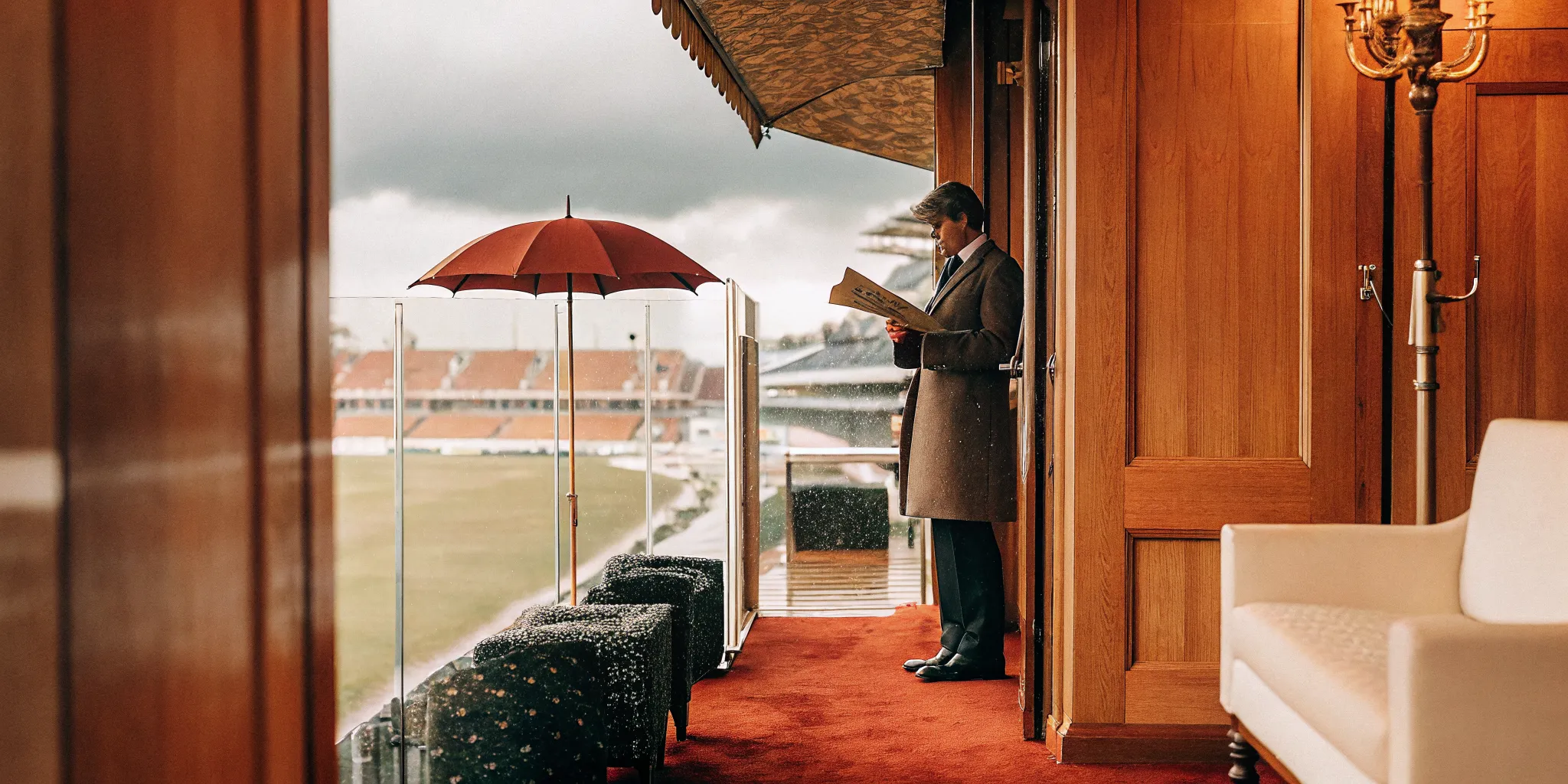
Build the sports event weather contingency plan before departure
The strongest plan is completed before travel and refined as current information becomes available. It establishes decision owners, venue-specific procedures, transport alternatives, communication channels, and hospitality options. That preparation allows the host team to act deliberately rather than negotiate responsibilities while guests are already affected.
Begin with the complete guest journey. Review airport or private aviation arrivals, hotel check-in, pre-event dining, venue entry, seating or suite access, post-event plans, and return transport. A weather interruption at any one of those points can affect the entire itinerary. Mapping the sequence reveals where protection, additional time, or an alternate reservation is required.
Document the operating plan
A concise run-of-show should give every responsible partner the information needed to execute. Keep the plan accessible to the lead host, executive assistant, driver coordinator, venue contact, and hospitality lead. Superior Executive Services recommends separating guest-facing details from the operational version so guests receive only the information relevant to their next decision.
- Record official venue policies for weather delays, shelter, evacuation, re-entry, and postponement.
- Identify the venue contact authorized to confirm operational changes.
- Assign one internal decision owner and a backup decision owner.
- Map primary and alternate arrival, pickup, and departure points.
- Confirm indoor hospitality options and nearby off-site alternatives.
- Document guest mobility, privacy, dietary, and communication requirements.
- Prepare approved message templates for common scenarios.
- Set review times for the days before departure and throughout event day.
The document should be specific enough to guide action without becoming difficult to use. Include phone numbers, addresses, route notes, reservation references, and the time by which a decision must be made. Avoid vague instructions such as “monitor conditions” or “move if needed.” Name the person monitoring, the source being checked, the trigger for escalation, and the intended response.
Confirm venue rules and shelter options
Venue procedures determine what is possible during a delay. Some ticket or hospitality products may provide access to enclosed clubs or suites, while others do not. Entry rules can also restrict umbrellas, bags, or other comfort items. Confirm the applicable terms directly with the venue or event organizer before promising an option to guests.
Identify the nearest approved shelter for each part of the itinerary, including arrival, pre-event hospitality, seating, and departure. A shelter that appears convenient on a map may be inaccessible after gates close or impractical for a guest with limited mobility. The plan should distinguish between a venue-approved safe location and a comfortable waiting area. Safety instructions from event officials always take priority.
Set practical decision triggers
Triggers convert uncertainty into an agreed response. They can include an official venue notice, a National Weather Service alert, a forecast threshold relevant to transport, or a deadline for preserving an alternate reservation. The internal decision owner should never attempt to replace the authority of the venue or emergency officials. Instead, that person translates official guidance into coordinated guest and vendor actions.
A credible severe weather contingency plan defines responsibilities and actions before conditions deteriorate. For a VIP itinerary, the same discipline should extend beyond evacuation to include guest privacy, mobility, schedule dependencies, and the commercial terms of alternate arrangements.
Assign clear team roles
One person should own weather monitoring and maintain the current status. Another should manage guest communication. A transport lead should coordinate drivers, routes, and pickup points, while the hospitality lead confirms shelter, food service, and alternatives. In a smaller team, one person may hold several roles, but each responsibility still needs a named owner and backup.
Superior Executive Services can coordinate those moving parts within a broader executive concierge experience. Consistent ownership matters because guests should not receive conflicting instructions from a driver, assistant, and venue representative. One approved message, delivered through one agreed channel, protects confidence and accelerates the response.
How should schedule changes be handled?
Handle schedule changes through one decision owner, documented triggers, and a controlled communication sequence. Confirm official venue guidance first, then update transport, hospitality, and guest plans in that order. Present VIP guests with a clear recommendation, not an unresolved list of possibilities, and state when the next confirmed update will arrive.
Use verified information for every decision
Weather information should come from recognized sources and official event communications. The National Weather Service publishes forecasts, watches, and warnings, while the venue or event organizer controls official operational decisions such as pauses, evacuations, cancellations, and re-entry. The host team should monitor both, document significant updates, and avoid circulating unverified social media reports.
When lightning is a concern, consult the venue’s instructions and established safety guidance. The National Weather Service provides lightning safety toolkits for organizations and event personnel. The concierge team’s role is to execute the official instruction promptly, keep the group together where appropriate, and maintain communication throughout the interruption.
Protect the executive schedule during a delay
A delay can affect more than the event itself. It may compress a dinner reservation, create a conflict with a flight, or reduce the time available for an executive meeting. Rank those dependencies before event day. When conditions change, the team can then protect the priorities that matter most without requiring the principal or host to manage logistics personally.
For a short delay, confirm the guest’s current location, comfort, and next update time. For a longer interruption, evaluate whether remaining on site still supports the guest’s objectives. The appropriate choice may be to stay in approved hospitality, move to a confirmed off-site location, or depart and preserve another commitment. Superior Executive Services frames the recommendation around safety guidance, guest preferences, and the wider itinerary.
Prepare for postponement and re-entry
A postponement can require an additional hotel night, revised air or rail plans, new driver coverage, and changes to dining or meeting arrangements. Confirm which bookings can be extended, which are subject to availability, and which carry cancellation terms. Do not assume an event ticket or hospitality credential will remain valid for a rescheduled date; follow the organizer’s published instructions.
Maintain a decision log that records what changed, when it changed, the source of the information, and the actions taken. This provides continuity when responsibility passes between team members and makes the post-event review more useful. It also helps the executive assistant distinguish confirmed commitments from provisional holds.
Create a guest communication cascade
A communication cascade ensures that each update is accurate, approved, and delivered in the right order. The operational team should receive enough detail to execute, while VIP guests receive a concise statement of what changed. What action is recommended, where to go, and when the next update will be issued.
Establish a single source of truth
Maintain one current status record for the host team. It can be a secure shared document or another approved system that the relevant partners can access. The record should show the latest official update, the selected operating scenario, open decisions, and the next communication time. Assign one owner to update it so outdated instructions do not continue circulating.
Guest preferences belong in the plan as well. Some executives prefer a direct text from a known assistant; others want all details routed through security or family office staff. Confirm the communication structure before departure, including who is authorized to receive location details and whether any guest information requires restricted handling.
Use disciplined message structure
Effective messages are brief, calm, and actionable. Avoid speculation and excessive operational detail. If no action is required, say so. If the plan remains provisional, identify the next decision time rather than implying that a tentative arrangement is confirmed. Every message should answer the immediate questions a guest or partner is likely to have.
- Status: State the confirmed event or weather update.
- Action: Give one clear instruction or recommendation.
- Location: Specify the approved shelter, meeting point, or pickup zone.
- Support: Name the contact available for individual assistance.
- Timing: State when the next update will be provided.
A suitable guest update might read: “The venue has paused entry because of weather. Please remain in the hotel lounge. Your vehicle is staged, and we will confirm the revised departure time by 2:30 p.m. Contact [name] directly with any individual requirements.” The language is composed, transparent, and centered on the guest’s next step.
Coordinate staff, drivers, security, and vendors
The guest message is only one part of the cascade. Drivers need route and staging instructions. Security may require current locations and movement timing. Hospitality contacts need guest counts and arrival estimates. Hotels or restaurants may need confirmation before holding space. Sequence these operational updates so the guest recommendation is executable before it is announced.
Superior Executive Services provides concierge travel coordination that can connect itinerary decisions with the relevant service partners. That integrated approach reduces the risk of a polished message being undermined by an uninformed driver, unavailable room, or expired reservation hold.

Keep VIP transportation flexible and precise
Transport planning should account for restricted access, sudden departures, road disruption, and changing guest priorities. The team needs primary and alternate pickup locations, driver communication protocols, realistic movement times, and a plan for luggage or equipment. Precision matters most when many event attendees attempt to leave simultaneously.

Map arrival and departure alternatives
Review the venue’s authorized vehicle access and confirm where cars may legally stage. Identify alternate pickup points in case a gate closes or an area becomes congested. Each location should be assessed for walking distance, cover, lighting, accessibility, and the practicality of moving the specific guest group. Share maps and written directions with drivers before event day.
Do not promise curbside access unless it has been confirmed. Event traffic controls can change, and some areas may be unavailable during an emergency response. Build sufficient time into the itinerary and designate a transport lead who can adapt the route while keeping the guest communication owner informed.
Maintain driver and dispatch communication
Drivers should receive a briefing that includes passenger assignments, approved contacts, venue access instructions, alternate routes, and escalation procedures. Confirm that each driver knows who may authorize a change. During an interruption, the dispatch lead should track vehicle locations and provide concise instructions without distracting drivers from safe operation.
Weather may increase travel time or make a planned route unsuitable. Follow official road closures and local authority guidance rather than relying on assumptions. The purpose of alternate routing is not to bypass safety controls; it is to preserve options when the preferred route is no longer practical.
Protect the complete door-to-door experience
The transport plan begins before the vehicle moves. Consider the path from an approved shelter to the pickup point, assistance with personal items, and the guest’s preferred seating or privacy arrangements. Comfort supplies should be selected in accordance with venue rules and the forecast, then positioned where staff can retrieve them without delay.
For multi-day itineraries, transport flexibility also includes airport transfers and hotel movements after a postponement. Superior Executive Services incorporates these dependencies into its boutique luxury travel approach, allowing the event decision and the onward itinerary to be managed as one experience.
Compare hospitality backup options
Hospitality backups should be evaluated for safety, access, privacy, distance, capacity, service, and reservation flexibility. The best option depends on the expected duration of the interruption and the purpose of the trip. A private suite may suit a brief pause, while a hotel hub or off-site venue may better support a longer delay.

Indoor suites and club access
An indoor suite or club can preserve proximity to the event while offering a more comfortable place to wait. Access, operating hours, capacity, and services vary by venue and ticket product, so confirm the exact entitlement in advance. An enclosed hospitality area should not be treated as an approved weather shelter unless the venue identifies it as one.
For lightning risk, follow venue direction and recognized guidance, including the National Weather Service’s outdoor venue lightning safety toolkit. Guest comfort is important, but it never supersedes official safety instructions.
Off-site venues and hotel hubs
An off-site hospitality venue can provide privacy, dining, meeting space, and greater control over service during a substantial interruption. A hotel hub is particularly useful when guests are already staying on property or when the revised schedule remains uncertain. Confirm travel time, vehicle access, capacity, payment terms, and how long the venue will hold the space.
For marquee occasions such as Kentucky Derby hospitality, the surrounding area may become congested when conditions change. The alternate location should therefore be practical, not merely prestigious. A credible option is one the team can activate within the available decision window.
Compare hospitality backup choices
| Option | Primary advantage | Confirm in advance | Best suited to |
|---|---|---|---|
| Private suite | Privacy and proximity | Access during delays and shelter status | Executive hosting and shorter pauses |
| Club lounge | On-site convenience | Capacity, guest access, and operating hours | Groups comfortable in a shared setting |
| Off-site venue | Greater control over hospitality | Travel time, hold terms, and privacy | Longer delays and hosted programs |
| Hotel hub | Itinerary and accommodation integration | Meeting space, catering, and room availability | Postponements and multi-day trips |
Superior Executive Services can evaluate these options as part of a coordinated VIP sports hospitality itinerary. The objective is not to accumulate unnecessary reservations. It is to secure the few options that can be activated reliably and that align with the guest profile.
What backup activities preserve the guest experience?
The strongest backup activities match the group’s original purpose, preferred pace, and privacy requirements. Prepare a small portfolio of vetted options, then activate the most appropriate choice once timing is clear. Dining, wellness, cultural experiences, indoor sporting activities, or private meeting space can preserve momentum without making the alternate plan feel improvised.
Match the alternative to the interruption
A short pause calls for hospitality close to the venue and a clear return plan. A full-day cancellation creates room for a more substantial alternative. Avoid committing the group to an activity that could interfere with a possible restart or revised event time. The decision owner should understand cancellation terms and the latest time at which each option can be activated.
Weather monitoring technology can support situational awareness, but official venue and public safety guidance remains decisive. Resources such as the Earth Networks guide to outdoor athletic event safety planning illustrate the importance of preparation and monitoring. The guest-facing plan should remain simple even when the operational process is detailed.
Consider dining, wellness, and cultural options
A private meal can preserve relationship-building time for a corporate host. Wellness appointments may suit a smaller party after an extended delay. Museums, galleries, or other indoor cultural venues can provide a considered change of pace. Every option should be vetted for availability, privacy, accessibility, travel time, group size, and the ability to accommodate dietary or service requirements.
A premium alternative is defined by fit and execution, not by novelty. Superior Executive Services can arrange alternatives that complement the wider itinerary and the guest’s preferences. The transition should feel intentional, with transport, reservations, and communications confirmed before the group is asked to move.
Preserve business objectives with private work space
For executive groups, a weather delay may create an opportunity to continue planned discussions. A private room with suitable connectivity, refreshments, and controlled access can protect the business purpose of the trip. Confirm technical requirements and confidentiality expectations in advance rather than attempting to source an appropriate room after the schedule changes.
Emergency action planning is a recognized component of sports event preparation, as outlined by the Sports Planning Guide. Within a VIP itinerary, an alternate work setting adds continuity after official safety requirements and guest welfare have been addressed.
Use a day-of weather readiness checklist
Event-day readiness turns the written plan into an active operating process. The lead should verify official information sources, venue contacts, transport positions, hospitality holds, guest preferences, and communication channels before departure. Scheduled reviews then keep the plan current without creating unnecessary guest concern.
Set an appropriate monitoring cadence
Establish review times based on the event schedule and current conditions. The monitoring lead should check the National Weather Service, official venue messages, and any other sources approved in the plan. Increase the review cadence when conditions warrant it, and notify the decision owner promptly when a documented trigger is reached.
The guest does not need every forecast update. Communicate when the information changes the plan, requires an action, or affects a stated decision time. This distinction prevents alert fatigue while ensuring that relevant developments are never withheld.
Verify contacts, holds, and guest requirements
Before guests depart, confirm that the venue contact, drivers, hospitality partners, hotel team, and internal hosts can all be reached. Reconfirm time-sensitive holds and identify which alternatives remain available. Review accessibility needs, dietary requirements, medication considerations shared by the guest, and privacy protocols with the appropriate staff.
Keep essential operational information available in a secure form that remains usable if connectivity is limited. Sensitive guest data should be restricted to those who need it. The contingency plan should improve coordination without distributing personal information more widely than necessary.
Prepare appropriate comfort items
Select supplies based on venue rules, expected conditions, and guest needs. Depending on the event, permitted items might include approved rain protection, towels, water, sunscreen, or warming accessories. Confirm restrictions before arrival and avoid implying that comfort supplies replace following venue instructions or moving to an approved location.
Discreet preparation supports a polished experience. The highest standard is often invisible: the right item is available, the vehicle is positioned, and the alternate reservation is confirmed before the guest needs to ask. That is the operating discipline Superior Executive Services brings to executive travel and event support.
Complete a post-event review
After the itinerary concludes, record which triggers, messages, partners, and backup options performed as intended. Note any access restrictions or timing assumptions that should change for a future event. Reconcile additional costs and document unused reservation holds. This review converts one event’s experience into a stronger planning framework for the next.
Frequently asked questions
These concise answers address the timing, authority, communication, and alternate planning questions that most often arise when preparing a VIP sports itinerary for uncertain weather.
When should a sports event weather contingency plan be finalized?
Finalize the core plan before guests depart, then confirm details again 72 hours, 24 hours, and the morning of the event. Venue rules, forecasts, transport access, and guest needs can change, so the working plan should remain live until everyone returns safely.
Who should make the final weather decision?
The venue or event organizer controls official delays, evacuations, and cancellations. The corporate host or lead assistant should name one internal decision owner who translates official guidance into clear choices for the guest group, drivers, hospitality contacts, and vendors.
What should a weather update to VIP guests include?
Each update should state what changed, what remains confirmed, the next action, the transport or shelter location, and the time of the next update. Keep it brief, use one approved channel, and give guests a named contact for private questions.
What are good backup activities after a cancellation?
Choose options that match the group’s purpose and energy, such as a private meal, wellness appointment, indoor sporting experience, cultural visit, or quiet meeting space. Pre-vet travel time, privacy, accessibility, reservation terms, and payment so the alternate plan feels intentional.
Keep the day polished, whatever the forecast
A disciplined contingency plan protects guest welfare, executive time, and confidence in the host. It connects official guidance with transport, hospitality, communication, and credible alternatives, allowing the team to respond without transferring operational pressure to the guest.
Superior Executive Services coordinates premium sports hospitality and executive travel with the preparation required for changing conditions. Request concierge travel support to build a composed, flexible event itinerary that remains polished whatever the forecast.