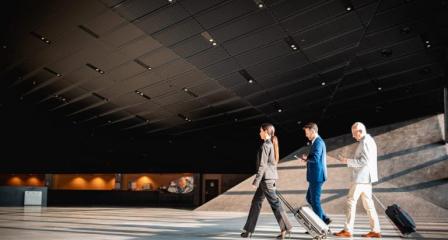
The right sporting event can do more for a client relationship than a conventional dinner or meeting. A premium setting creates room for meaningful conversation, shared memories, and a level of hospitality that reflects the importance of the relationship. For corporate executives, the value is not simply access to a major event. It is the thoughtful coordination of an experience that feels seamless from invitation through departure.
Client entertainment sports hospitality works best when the event, guest list, amenities, and service plan align with a clear relationship goal. Research on premium seating identifies entertaining guests, prestige, comfort, and facilitating business relationships among the leading motivations for corporate buyers. Academic research on luxury seating also connects the experience to exclusive facilities and a more comfortable environment.
That strategic perspective changes how leaders evaluate hospitality. Instead of asking which tickets are available, they can assess how the event supports trust, engagement, and long-term commercial value. The investment begins with understanding why this format can strengthen business relationships when it is planned with purpose.
Why Client Entertainment Through Sports Hospitality Is a Strategic Business Investment
Corporate sports hospitality is most effective when it is treated as a relationship strategy, not a last-minute entertainment expense. A well-planned event gives executives a setting where clients can connect outside the pressure of a formal meeting, while the hosting company demonstrates thoughtfulness, access, and operational discipline.
The commercial logic is visible in the sports industry itself. Luxury suite revenue averages $9.8 million annually per professional sports venue, making premium hospitality a significant revenue stream rather than a peripheral amenity. Research on premium seating also indicates that it can generate three to four times more revenue per attendee than general seating. These figures do not guarantee a return for every host, but they show why premium environments command greater value and why the quality of the experience matters.
For corporate buyers, the motivations are practical as well as aspirational. Research identifies comfort, entertainment, prestige, and support among the leading reasons organizations purchase premium seating. The environment can make conversation easier, offer a more controlled setting for multiple guests, and create a shared experience that strengthens an existing business relationship. It is not a substitute for strong service or a sound commercial proposition. It is a deliberate way to deepen trust around both.
Market growth reinforces the shift from discretionary hosting to strategic investment. JTB USA cites a global sports hospitality market of $39.32 billion in 2024, projected to reach $148.75 billion by 2032. That expansion reflects demand for curated access and complete experiences, not simply admission to a game. Businesses increasingly expect hospitality partners to coordinate the details that shape the outcome, including premium seating, guest logistics, transportation, and service.
For companies evaluating corporate event hospitality packages, the right question is not whether an event looks impressive. It is whether the experience supports a defined business objective, such as reinforcing a key account, opening a senior-level relationship, or creating meaningful time with strategic partners. When the guest list, event, setting, and logistics align with that objective, client entertainment sports hospitality becomes an accountable investment in relationship value.
How to Choose the Right Sporting Event for Your Client Entertainment Goals
The strongest event is not necessarily the most famous one. It is the setting that aligns with your client’s interests, your relationship objective, and the level of interaction you want to create. Before selecting tickets, consider whether the occasion should open new conversations, deepen an established relationship, recognize a major milestone, or bring several stakeholders together.
Match the event to the client relationship
- Innovation-focused clients: Formula 1 offers a natural backdrop for conversations about technology, performance, engineering, and global ambition. Its prestige, access, and networking environment can suit executives who value momentum and forward-looking ideas. A dedicated F1 corporate hospitality guide can help shape the experience around those priorities.
- Relationship-driven clients: Golf tournaments such as the Ryder Cup or The Masters create a slower pace and more opportunitiesThe right sporting event can do more for a client relationship than a conventional dinner or meeting. A premium setting creates room for meaningful conversation, shared memories, and a level of hospitality that reflects the importance of the relationship. For corporate executives, the value is not simply access to a major event. It is the thoughtful coordination of an experience that feels seamless from invitation through departure.
Client entertainment sports hospitality works best when the event, guest list, amenities, and service plan align with a clear relationship goal. Research on premium seating identifies entertaining guests, prestige, comfort, and facilitating business relationships among the leading motivations for corporate buyers. Academic research on luxury seating also connects the experience to exclusive facilities and a more comfortable environment.
That strategic perspective changes how leaders evaluate hospitality. Instead of asking which tickets are available, they can assess how the event supports trust, engagement, and long-term commercial value. The investment begins with understanding why this format can strengthen business relationships when it is planned with purpose.
Why Client Entertainment Through Sports Hospitality Is a Strategic Business Investment
Corporate sports hospitality is most effective when it is treated as a relationship strategy, not a last-minute entertainment expense. A well-planned event gives executives a setting where clients can connect outside the pressure of a formal meeting, while the hosting company demonstrates thoughtfulness, access, and operational discipline.
The commercial logic is visible in the sports industry itself. Luxury suite revenue averages $9.8 million annually per professional sports venue, making premium hospitality a significant revenue stream rather than a peripheral amenity. Research on premium seating also indicates that it can generate three to four times more revenue per attendee than general seating. These figures do not guarantee a return for every host, but they show why premium environments command greater value and why the quality of the experience matters.
For corporate buyers, the motivations are practical as well as aspirational. Research identifies comfort, entertainment, prestige, and support among the leading reasons organizations purchase premium seating. The environment can make conversation easier, offer a more controlled setting for multiple guests, and create a shared experience that strengthens an existing business relationship. It is not a substitute for strong service or a sound commercial proposition. It is a deliberate way to deepen trust around both.
Market growth reinforces the shift from discretionary hosting to strategic investment. JTB USA cites a global sports hospitality market of $39.32 billion in 2024, projected to reach $148.75 billion by 2032. That expansion reflects demand for curated access and complete experiences, not simply admission to a game. Businesses increasingly expect hospitality partners to coordinate the details that shape the outcome, including premium seating, guest logistics, transportation, and service.
For companies evaluating corporate event hospitality packages, the right question is not whether an event looks impressive. It is whether the experience supports a defined business objective, such as reinforcing a key account, opening a senior-level relationship, or creating meaningful time with strategic partners. When the guest list, event, setting, and logistics align with that objective, client entertainment sports hospitality becomes an accountable investment in relationship value.
How to Choose the Right Sporting Event for Your Client Entertainment Goals
The strongest event is not necessarily the most famous one. It is the setting that aligns with your client’s interests, your relationship objective, and the level of interaction you want to create. Before selecting tickets, consider whether the occasion should open new conversations, deepen an established relationship, recognize a major milestone, or bring several stakeholders together.
Match the event to the client relationship
- Innovation-focused clients: Formula 1 offers a natural backdrop for conversations about technology, performance, engineering, and global ambition. Its prestige, access, and networking environment can suit executives who value momentum and forward-looking ideas. A dedicated F1 corporate hospitality guide can help shape the experience around those priorities.
- Relationship-driven clients: Golf tournaments such as the Ryder Cup or The Masters create a slower pace and more opportunities for sustained conversation. Shared time across a full day, or even a broader itinerary, can support trust-building when the goal is a long-term commercial relationship. Explore Ryder Cup corporate hospitality packages when golf is the right fit.
- Cosmopolitan clients: Tennis Grand Slams combine international appeal, premium hospitality, and a polished social atmosphere. Superior Executive Services partners with Grand Slam Sports & Entertainment for premium event tickets and hospitality. Supporting access to major tournaments including Wimbledon, the US Open, the French Open, and the Australian Open.
Consider the business objective and guest mix
Horse racing, including the Kentucky Derby, can work well for milestone celebrations and high-energy relationship moments. The Super Bowl may be appropriate when the guest group values cultural relevance, exclusivity, and broad conversation starters. Music festivals can provide a more relaxed setting for clients whose interests extend beyond traditional sports. For a broader comparison of formats, review these premium sporting event entertainment options.
Finally, evaluate the complete experience rather than the headline event. International travel, arrival logistics, venue access, privacy, transportation, and concierge support all affect how comfortably guests can engage. The right client entertainment sports hospitality plan should feel intentional from invitation through departure, with the event serving the relationship rather than overshadowing it.
What Sets Premium Hospitality Apart from Standard Game-Day Tickets
Standard game-day tickets provide entry to the venue and a seat for the event. Premium hospitality is designed around the quality of the experience surrounding the competition. For corporate hosts, that distinction can shape how comfortably clients interact, how effectively conversations unfold, and how carefully the day is managed from arrival through departure.
Research on premium seating identifies exclusivity as a central source of value. Premium ticket holders may access areas that general ticketholders cannot, including private club spaces and lounges with more comfortable seating and better bathroom facilities. These features create a more controlled setting for client conversations without removing the energy of the event.
Standard tickets compared with premium sports hospitality Experience element Standard game-day ticket Premium hospitality Seating and access Assigned general seating and commonly shared concourse access. Restricted premium seating, private suites, or access to exclusive club and lounge areas. Comfort Basic venue amenities available to the broader crowd. More private, comfortable seating and enhanced facilities, including better bathrooms. Food and service Guests purchase refreshments independently. Premium catering and hospitality service can be arranged as part of the package. Trip coordination Guests manage their own transportation and timing. Dedicated concierge support and secure transportation can coordinate the experience end to end. What Corporate Hospitality Actually Includes
A well-built package is more than an upgraded ticket. Depending on the event and the host’s objectives, it may combine:
- Private suites or premium club seating
- Premium catering and attentive on-site service
- A dedicated concierge for schedules, access, and guest coordination
- Secure transportation aligned with the event itinerary
These elements support a more intentional form of VIP group travel experiences for corporate teams. The goal is not simply to provide a more expensive seat. It is to create an exclusive, comfortable environment where hosts can focus on their guests and the relationship they are building.
For executives evaluating client entertainment sports hospitality, the practical question is whether the package supports the full guest experience. Premium hospitality earns its place when access, comfort, service, and coordination work together rather than being treated as separate add-ons.
Best Practices for Inviting Clients to Premium Sporting Events
The invitation sets the tone for the entire experience. It should communicate thoughtful planning, respect for the client’s time, and a clear understanding of what will make the event valuable to them. In premium sports hospitality, the objective is not simply to fill seats. It is to create an environment where a business relationship can develop naturally, with security and discretion built into the plan from the beginning.
Identify your objectives
Define what the invitation is intended to support before selecting the event or sending details. Your goal may be to recognize a long-standing client, strengthen a renewal conversation, introduce senior stakeholders, or create an informal setting for strategic discussion. Establishing the desired outcome also gives your team a practical basis for evaluating results later. Research on luxury suite management identifies renewal rates and client satisfaction as meaningful indicators of entertainment value, rather than attendance alone. Review the research on hospitality renewal and client satisfaction when setting your measurement plan.
Select the right tier of experience
Match the setting to the relationship, the client’s expectations, and the purpose of the meeting. Consider premium seating, private hospitality areas, access requirements, dining, transportation, and opportunities for conversation. A highly public or crowded environment may not suit a confidential discussion, while an overly elaborate package may feel disproportionate for an early-stage relationship. The right tier should feel considered, not conspicuous.
Extend the invitation with proper lead time
Provide enough notice for the client to assess availability, coordinate travel, and include the event in a demanding schedule. Major tournaments and high-profile races often require early planning, particularly when several guests, international travel, or protective services are involved. Send a concise initial invitation with the event, date, location, purpose, and response deadline. Follow with confirmed itinerary details once attendance is accepted.
Handle logistics and preferences
Ask discreetly about dietary requirements, accessibility, preferred arrival times, travel arrangements, guest names, and any professional sensitivities. For high-net-worth individuals and corporate executives, security is a central planning priority, not an afterthought. Coordinate appropriate transportation, venue access, and privacy requirements without placing the burden on the client. A professional client hosting etiquette guide can help refine the communication and hosting details.
Provide a pre-event briefing
Before the event, send a clear briefing covering meeting points, timings, dress expectations, venue procedures, host contacts, and the planned flow of the day. Keep it useful rather than overwhelming. Confirm who will manage transportation, hospitality access, and any changes in schedule. This final touch reduces uncertainty and allows the client to arrive prepared, confident, and ready to engage.
Hospitality Dos and Don’ts for Corporate Client Entertainment
Effective hospitality is measured by how confidently clients can engage, not by how many details the host can arrange. In high-end settings, executive protection and proactive risk management belong in the plan from the beginning. Security should support the experience discreetly, while every logistical choice reflects the client’s comfort, privacy, and priorities.
Dos for a polished client experience
- Plan security in advance. Review the venue, arrival points, access procedures, schedules, and client profile before event day. For high-net-worth guests and corporate executives, protection should be part of the strategy rather than an improvised response. Learn more about executive protection and risk management.
- Use a dedicated concierge. Give clients one informed point of contact who can coordinate hospitality details, answer questions, and adjust plans without creating confusion for the host.
- Prepare for contingencies. Build practical alternatives for traffic, weather, schedule changes, access delays, and last-minute guest updates. A strong plan preserves discretion when circumstances change.
- Respect client privacy. Confirm photography expectations, limit unnecessary sharing of itineraries, and communicate only the information each person needs. Professional hospitality should feel attentive, never intrusive.
- Extend security beyond the venue. The experience may begin with an airport arrival and continue through hotel transfers, transportation, and tournament access. Custom packages can include security drivers when the itinerary calls for an elevated level of coordination.
Don’ts that undermine corporate hospitality
- Do not overschedule. Leave room for conversation, rest, and the natural pace of the event. A crowded itinerary can make a premium experience feel like an obligation.
- Do not forget dietary preferences. Confirm allergies, restrictions, and service expectations early. Small omissions can distract from an otherwise carefully planned occasion.
- Do not neglect transportation logistics. Account for arrival windows, vehicle access, parking, transfers, and venue security procedures instead of treating transportation as an afterthought.
- Do not make the event about yourself. The host’s role is to create a comfortable setting for meaningful business and relationship building. Let the client experience lead the conversation.
A thoughtful approach to corporate event hospitality combines memorable access with quiet operational discipline. That balance is what makes client entertainment sports hospitality feel personal, secure, and genuinely valuable.
How to Measure the ROI of Your Client Entertainment Investment
Client entertainment creates value beyond the event itself, so the evaluation should extend beyond ticket cost or attendance. Corporate hospitality is an end-to-end premium experience that can include access, transportation, concierge support, and a carefully managed setting for meaningful conversation. Measure the investment against the commercial and relationship outcomes it is designed to support.
Track the commercial signals
Establish a baseline before the event and compare results over a defined period afterward. Closed deals are one useful indicator, but they should not be treated as the only measure of success. A client may need several interactions before making a decision, particularly in complex or high-value engagements. Track whether hosted accounts advance in the sales cycle, expand their scope, or renew at a higher rate.
- Renewal rate: Compare renewal performance among hosted accounts with an appropriate account baseline.
- Post-event opportunities: Record meetings booked, proposals requested, deals closed, and expansions linked to the relationship.
- Client satisfaction: Use a short survey or NPS question after the event, and compare the results with prior feedback.
- Account value: Monitor changes in tenure, revenue, referrals, and share of wallet over the following quarters.
- Participation quality: Measure attendance by priority account, decision-maker access, and follow-up completion.
Assess the relationship and brand impact
Numbers can show movement, while conversations explain why it occurred. Ask account leaders whether the experience deepened trust, improved access to senior stakeholders, or created a more productive setting for strategic discussion. Also assess whether the event reflected the brand’s standards for discretion, professionalism, and service. A well-executed experience should strengthen how clients perceive the company rather than feel like a generic promotion.
Review these findings together in a post-event summary, then use them to refine guest selection, event choice, hospitality design, and follow-up. For a deeper framework, see measuring corporate hospitality ROI across sporting events. The goal is not to force every outcome into a short-term revenue calculation, but to identify which experiences produce durable commercial relationships and client satisfaction.
Frequently Asked Questions
How can sports hospitality support important client relationships?
A premium setting creates time for focused conversation away from the pace of a standard office meeting. Luxury suites and club areas combine privacy, comfort, and shared entertainment, giving executives a natural environment for relationship development. Research identifies entertaining guests, prestige, and business relationships as major motivations for corporate premium seating purchases (Journal of Applied Marketing Studies).
What should executives consider when selecting an event?
Start with the client relationship and the intended outcome, then match the event, location, hospitality level, schedule, and guest profile to that objective. Consider whether the audience will value networking, prestige, shared interests, or a more relaxed experience. The strongest invitation feels relevant to the guest rather than treating the event as a generic ticket offer.
What is included in a premium corporate hospitality experience?
Depending on the event and package, premium hospitality may include exclusive seating, indoor club or lounge access, enhanced facilities, coordinated travel, concierge support, and event security. The difference is the integration of these details. A well-planned experience manages the journey from arrival through venue access and departure, rather than focusing only on the seat.
How should a company measure the results of client entertainment?
Define the intended business outcome before the event and track relevant indicators afterward. These may include attendance, meaningful conversations, follow-up meetings, proposal progression, account retention, renewal rates, and client satisfaction. Evaluate patterns across multiple invitations instead of expecting one event to produce an immediate transaction. Research on premium seating specifically connects stronger understanding of client needs with improved renewal opportunities (University of South Carolina research summary).
Schedule Your Corporate Hospitality Consultation
A well-planned sports hospitality experience can give your team a polished setting for meaningful client conversations and relationship development. Superior Executive Services can help shape an experience around your guests, event objectives, and preferred level of service. To discuss your plans, start planning your corporate hospitality consultation with our team today.conversation. Shared time across a full day, or even a broader itinerary, can support trust-building when the goal is a long-term commercial relationship. Explore Ryder Cup corporate hospitality packages when golf is the right fit.
- Cosmopolitan clients: Tennis Grand Slams combine international appeal, premium hospitality, and a polished social atmosphere. Superior Executive Services partners with Grand Slam Sports & Entertainment for premium event tickets and hospitality. Supporting access to major tournaments including Wimbledon, the US Open, the French Open, and the Australian Open.
Consider the business objective and guest mix
Horse racing, including the Kentucky Derby, can work well for milestone celebrations and high-energy relationship moments. The Super Bowl may be appropriate when the guest group values cultural relevance, exclusivity, and broad conversation starters. Music festivals can provide a more relaxed setting for clients whose interests extend beyond traditional sports. For a broader comparison of formats, review these premium sporting event entertainment options.
Finally, evaluate the complete experience rather than the headline event. International travel, arrival logistics, venue access, privacy, transportation, and concierge support all affect how comfortably guests can engage. The right client entertainment sports hospitality plan should feel intentional from invitation through departure, with the event serving the relationship rather than overshadowing it.
What Sets Premium Hospitality Apart from Standard Game-Day Tickets
Standard game-day tickets provide entry to the venue and a seat for the event. Premium hospitality is designed around the quality of the experience surrounding the competition. For corporate hosts, that distinction can shape how comfortably clients interact, how effectively conversations unfold, and how carefully the day is managed from arrival through departure.
Research on premium seating identifies exclusivity as a central source of value. Premium ticket holders may access areas that general ticketholders cannot, including private club spaces and lounges with more comfortable seating and better bathroom facilities. These features create a more controlled setting for client conversations without removing the energy of the event.
| Experience element | Standard game-day ticket | Premium hospitality |
|---|---|---|
| Seating and access | Assigned general seating and commonly shared concourse access. | Restricted premium seating, private suites, or access to exclusive club and lounge areas. |
| Comfort | Basic venue amenities available to the broader crowd. | More private, comfortable seating and enhanced facilities, including better bathrooms. |
| Food and service | Guests purchase refreshments independently. | Premium catering and hospitality service can be arranged as part of the package. |
| Trip coordination | Guests manage their own transportation and timing. | Dedicated concierge support and secure transportation can coordinate the experience end to end. |
What Corporate Hospitality Actually Includes
A well-built package is more than an upgraded ticket. Depending on the event and the host’s objectives, it may combine:
- Private suites or premium club seating
- Premium catering and attentive on-site service
- A dedicated concierge for schedules, access, and guest coordination
- Secure transportation aligned with the event itinerary
These elements support a more intentional form of VIP group travel experiences for corporate teams. The goal is not simply to provide a more expensive seat. It is to create an exclusive, comfortable environment where hosts can focus on their guests and the relationship they are building.
For executives evaluating client entertainment sports hospitality, the practical question is whether the package supports the full guest experience. Premium hospitality earns its place when access, comfort, service, and coordination work together rather than being treated as separate add-ons.
Best Practices for Inviting Clients to Premium Sporting Events
The invitation sets the tone for the entire experience. It should communicate thoughtful planning, respect for the client’s time, and a clear understanding of what will make the event valuable to them. In premium sports hospitality, the objective is not simply to fill seats. It is to create an environment where a business relationship can develop naturally, with security and discretion built into the plan from the beginning.
Identify your objectives
Define what the invitation is intended to support before selecting the event or sending details. Your goal may be to recognize a long-standing client, strengthen a renewal conversation, introduce senior stakeholders, or create an informal setting for strategic discussion. Establishing the desired outcome also gives your team a practical basis for evaluating results later. Research on luxury suite management identifies renewal rates and client satisfaction as meaningful indicators of entertainment value, rather than attendance alone. Review the research on hospitality renewal and client satisfaction when setting your measurement plan.
Select the right tier of experience
Match the setting to the relationship, the client’s expectations, and the purpose of the meeting. Consider premium seating, private hospitality areas, access requirements, dining, transportation, and opportunities for conversation. A highly public or crowded environment may not suit a confidential discussion, while an overly elaborate package may feel disproportionate for an early-stage relationship. The right tier should feel considered, not conspicuous.
Extend the invitation with proper lead time
Provide enough notice for the client to assess availability, coordinate travel, and include the event in a demanding schedule. Major tournaments and high-profile races often require early planning, particularly when several guests, international travel, or protective services are involved. Send a concise initial invitation with the event, date, location, purpose, and response deadline. Follow with confirmed itinerary details once attendance is accepted.
Handle logistics and preferences
Ask discreetly about dietary requirements, accessibility, preferred arrival times, travel arrangements, guest names, and any professional sensitivities. For high-net-worth individuals and corporate executives, security is a central planning priority, not an afterthought. Coordinate appropriate transportation, venue access, and privacy requirements without placing the burden on the client. A professional client hosting etiquette guide can help refine the communication and hosting details.
Provide a pre-event briefing
Before the event, send a clear briefing covering meeting points, timings, dress expectations, venue procedures, host contacts, and the planned flow of the day. Keep it useful rather than overwhelming. Confirm who will manage transportation, hospitality access, and any changes in schedule. This final touch reduces uncertainty and allows the client to arrive prepared, confident, and ready to engage.
Hospitality Dos and Don’ts for Corporate Client Entertainment
Effective hospitality is measured by how confidently clients can engage, not by how many details the host can arrange. In high-end settings, executive protection and proactive risk management belong in the plan from the beginning. Security should support the experience discreetly, while every logistical choice reflects the client’s comfort, privacy, and priorities.
Dos for a polished client experience
- Plan security in advance. Review the venue, arrival points, access procedures, schedules, and client profile before event day. For high-net-worth guests and corporate executives, protection should be part of the strategy rather than an improvised response. Learn more about executive protection and risk management.
- Use a dedicated concierge. Give clients one informed point of contact who can coordinate hospitality details, answer questions, and adjust plans without creating confusion for the host.
- Prepare for contingencies. Build practical alternatives for traffic, weather, schedule changes, access delays, and last-minute guest updates. A strong plan preserves discretion when circumstances change.
- Respect client privacy. Confirm photography expectations, limit unnecessary sharing of itineraries, and communicate only the information each person needs. Professional hospitality should feel attentive, never intrusive.
- Extend security beyond the venue. The experience may begin with an airport arrival and continue through hotel transfers, transportation, and tournament access. Custom packages can include security drivers when the itinerary calls for an elevated level of coordination.
Don’ts that undermine corporate hospitality
- Do not overschedule. Leave room for conversation, rest, and the natural pace of the event. A crowded itinerary can make a premium experience feel like an obligation.
- Do not forget dietary preferences. Confirm allergies, restrictions, and service expectations early. Small omissions can distract from an otherwise carefully planned occasion.
- Do not neglect transportation logistics. Account for arrival windows, vehicle access, parking, transfers, and venue security procedures instead of treating transportation as an afterthought.
- Do not make the event about yourself. The host’s role is to create a comfortable setting for meaningful business and relationship building. Let the client experience lead the conversation.
A thoughtful approach to corporate event hospitality combines memorable access with quiet operational discipline. That balance is what makes client entertainment sports hospitality feel personal, secure, and genuinely valuable.
How to Measure the ROI of Your Client Entertainment Investment
Client entertainment creates value beyond the event itself, so the evaluation should extend beyond ticket cost or attendance. Corporate hospitality is an end-to-end premium experience that can include access, transportation, concierge support, and a carefully managed setting for meaningful conversation. Measure the investment against the commercial and relationship outcomes it is designed to support.
Track the commercial signals
Establish a baseline before the event and compare results over a defined period afterward. Closed deals are one useful indicator, but they should not be treated as the only measure of success. A client may need several interactions before making a decision, particularly in complex or high-value engagements. Track whether hosted accounts advance in the sales cycle, expand their scope, or renew at a higher rate.
- Renewal rate: Compare renewal performance among hosted accounts with an appropriate account baseline.
- Post-event opportunities: Record meetings booked, proposals requested, deals closed, and expansions linked to the relationship.
- Client satisfaction: Use a short survey or NPS question after the event, and compare the results with prior feedback.
- Account value: Monitor changes in tenure, revenue, referrals, and share of wallet over the following quarters.
- Participation quality: Measure attendance by priority account, decision-maker access, and follow-up completion.
Assess the relationship and brand impact
Numbers can show movement, while conversations explain why it occurred. Ask account leaders whether the experience deepened trust, improved access to senior stakeholders, or created a more productive setting for strategic discussion. Also assess whether the event reflected the brand’s standards for discretion, professionalism, and service. A well-executed experience should strengthen how clients perceive the company rather than feel like a generic promotion.
Review these findings together in a post-event summary, then use them to refine guest selection, event choice, hospitality design, and follow-up. For a deeper framework, see measuring corporate hospitality ROI across sporting events. The goal is not to force every outcome into a short-term revenue calculation, but to identify which experiences produce durable commercial relationships and client satisfaction.
Frequently Asked Questions
How can sports hospitality support important client relationships?
A premium setting creates time for focused conversation away from the pace of a standard office meeting. Luxury suites and club areas combine privacy, comfort, and shared entertainment, giving executives a natural environment for relationship development. Research identifies entertaining guests, prestige, and business relationships as major motivations for corporate premium seating purchases (Journal of Applied Marketing Studies).
What should executives consider when selecting an event?
Start with the client relationship and the intended outcome, then match the event, location, hospitality level, schedule, and guest profile to that objective. Consider whether the audience will value networking, prestige, shared interests, or a more relaxed experience. The strongest invitation feels relevant to the guest rather than treating the event as a generic ticket offer.
What is included in a premium corporate hospitality experience?
Depending on the event and package, premium hospitality may include exclusive seating, indoor club or lounge access, enhanced facilities, coordinated travel, concierge support, and event security. The difference is the integration of these details. A well-planned experience manages the journey from arrival through venue access and departure, rather than focusing only on the seat.
How should a company measure the results of client entertainment?
Define the intended business outcome before the event and track relevant indicators afterward. These may include attendance, meaningful conversations, follow-up meetings, proposal progression, account retention, renewal rates, and client satisfaction. Evaluate patterns across multiple invitations instead of expecting one event to produce an immediate transaction. Research on premium seating specifically connects stronger understanding of client needs with improved renewal opportunities (University of South Carolina research summary).
Schedule Your Corporate Hospitality Consultation
A well-planned sports hospitality experience can give your team a polished setting for meaningful client conversations and relationship development. Superior Executive Services can help shape an experience around your guests, event objectives, and preferred level of service. To discuss your plans, start planning your corporate hospitality consultation with our team today.