The best sporting events for executive networking are not simply the most famous events. They are the ones whose pace, hospitality format, and travel demands support the business outcome you want. A golf tournament creates hours of unhurried conversation. Formula 1 provides energy and premium hospitality that can impress a group. Horse racing combines tradition with a social rhythm, while a marquee championship delivers concentrated excitement for an important guest.
Request a tailored executive-hosting itinerary from Superior Executive Services.
The decision deserves more rigor than choosing the event with the strongest name recognition. A productive program aligns the guest list, venue, schedule, and hospitality setting. It also removes logistical friction so hosts can remain present with their clients. This guide compares four proven formats through that executive lens.
Best sporting events for executive networking at a glance
Golf tournaments are best for sustained conversation. Formula 1 races support high-impact group hospitality, horse racing suits social client entertainment, and marquee championships reward priority relationships. The right choice depends on whether the program is designed to deepen trust, create introductions, celebrate a milestone, or advance a specific opportunity.
| Event format | Conversation time | Hospitality format | Best group fit | Travel complexity |
|---|---|---|---|---|
| Golf tournament | High and unhurried | Private homes, hospitality venues, premium access | Small groups and senior clients | Moderate |
| Formula 1 race | Moderate, concentrated between sessions | Premium clubs, lounges, assigned viewing | Groups with shared interest and high energy | High |
| Horse racing | High between races | Reserved rooms, dining, social spaces | Mixed groups and client entertainment | Moderate |
| Marquee championship | Lower during play, strong before and after | Suites, clubs, hosted meals | Priority guests and milestone rewards | Moderate to high |
Start with the business objective
Define the desired result before comparing venues. If the objective is to deepen an established relationship, prioritize time and privacy. If the objective is to convene several clients, prioritize a hospitality space that makes introductions easy. If the event is an incentive or recognition experience, rarity and emotional impact may carry more weight.
- Relationship development: Choose a format with long conversation windows and a flexible schedule.
- Client acquisition: Create a guest mix that encourages valuable introductions without feeling transactional.
- Recognition: Select an experience that feels scarce, personal, and appropriate to the recipient.
- Executive retreat: Pair the event with accommodations and private time that support broader planning conversations.
Design the guest list before the itinerary
Guest compatibility determines whether access turns into meaningful business value. Consider seniority, interests, existing relationships, and comfort with the event’s pace. A technically minded leadership group may respond strongly to Formula 1. A client who values tradition and conversation may prefer the Masters or Kentucky Derby. The event should reflect what the guest values, not what the host happens to prefer.
Why golf tournaments create valuable conversation time
Golf tournaments are particularly effective for executive networking because their measured pace leaves room for substantive conversation without forcing it. Guests can move between tournament viewing, hospitality, dining, and private accommodations while relationships develop naturally over several days.
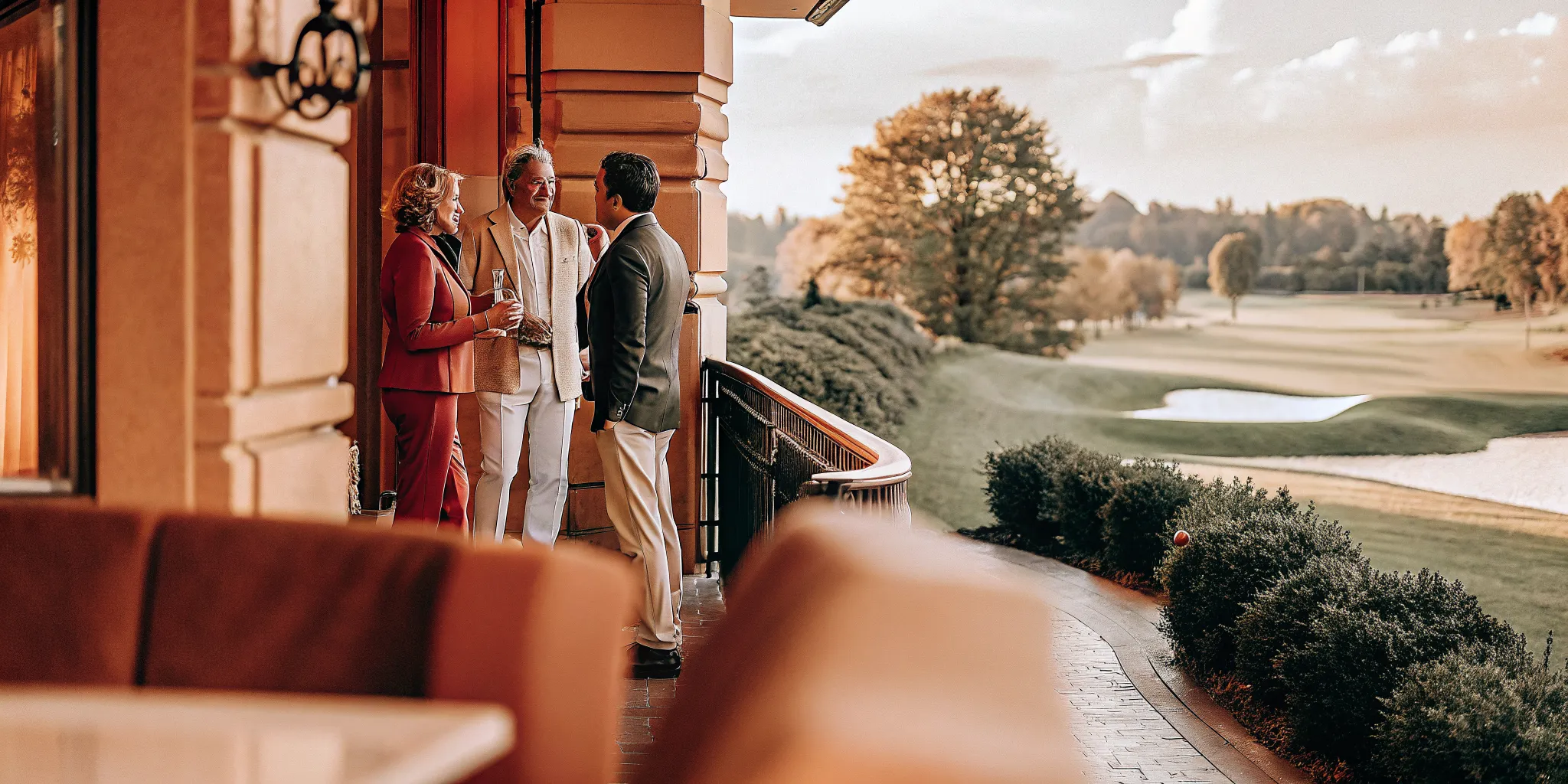
Golf is strongest when the business goal is trust rather than spectacle alone. At the Masters, private housing near Augusta National can function as a relationship hub. A host can combine tournament access with breakfast, transportation, evening hospitality, and quieter conversations in one coordinated experience. That continuity is difficult to reproduce in a single suite or dinner reservation.
The Masters for senior relationship development
The Masters carries exceptional recognition, but its executive-hosting value also comes from the broader Augusta experience. Superior Executive Services can coordinate executive estates or private homes, curated hospitality, tournament access, and optional chef and driver services. That structure gives a small group the privacy to move from informal conversation to focused discussion without a rigid agenda.
The strongest use case is a select group of senior clients or partners who already share some rapport. Hosts should avoid packing every hour. Leaving open space around tournament sessions allows a conversation to continue when it becomes valuable. A private residence also gives the group a natural place to reconnect after the course.
The Players Championship for a customizable golf program
The Players Championship offers a flexible alternative for companies that want premium golf hospitality with more room to tailor the format. Available elements can include hand-selected hotels or private homes, ground transportation, premium tournament access, optional private hospitality, and corporate event-planning support.
This format works well for a leadership group that wants both shared event time and controlled private moments. It can support a two-client relationship trip, a small partner retreat, or a carefully selected group of prospects. The program should be built around a few high-value interactions rather than a crowded guest list.
When golf is not the best fit
Golf is less effective when guests have little interest in the sport or when the objective is to create rapid energy among a larger group. The measured pace that supports deep conversation can feel too quiet for attendees expecting constant stimulation. In that case, Formula 1 or a championship event may provide a better emotional setting.
When Formula 1 makes the strongest impression
Formula 1 is a strong executive-hosting choice when the goal is to create a high-energy shared experience for a group while maintaining access to premium hospitality. It is particularly well suited to guests interested in innovation, performance, global business, and sophisticated event production.
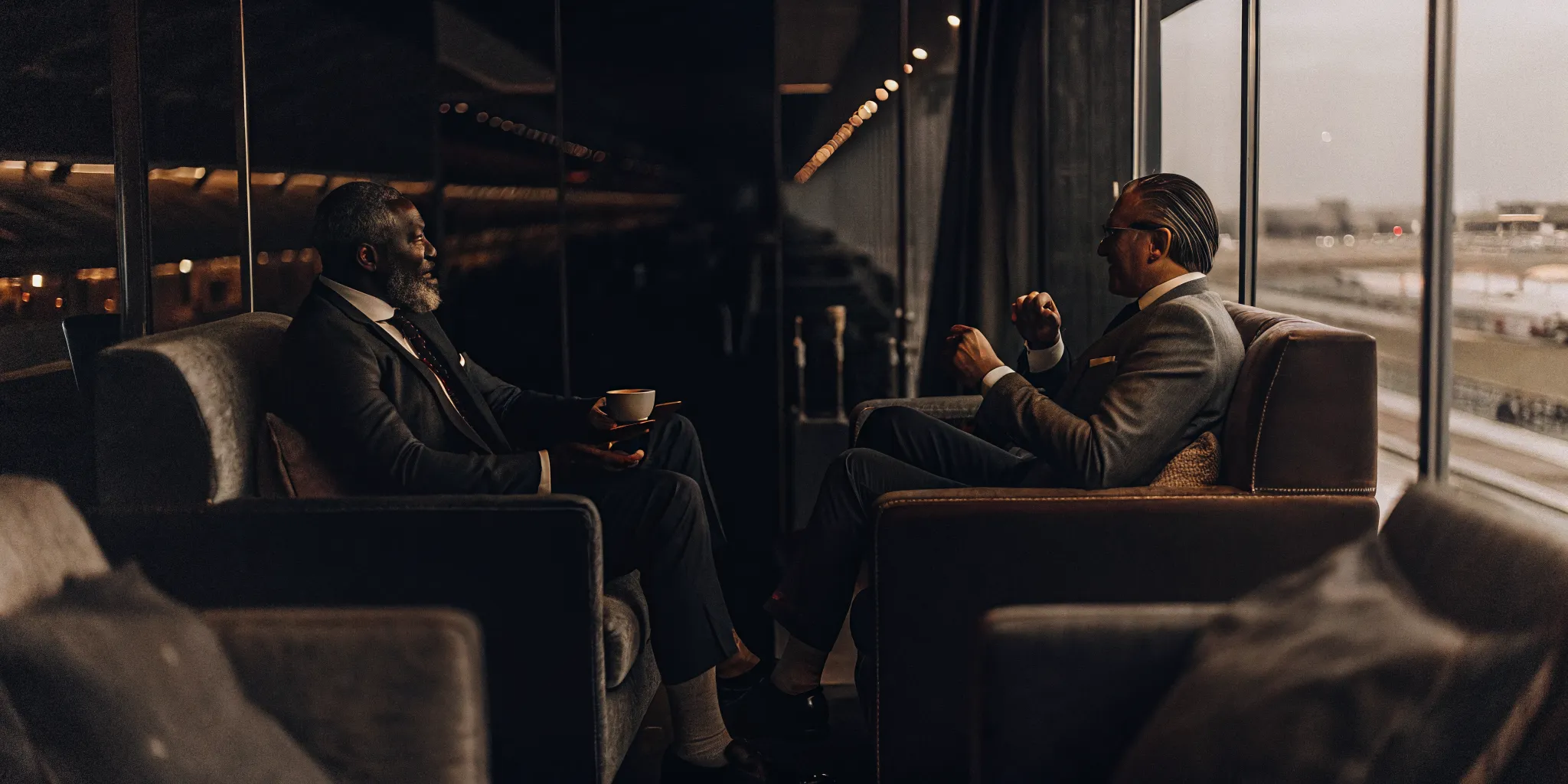
The race itself is only one part of the hosting environment. Premium lounges provide a base for conversation, refreshments, and regrouping between track sessions. The sound and speed create immediate shared reference points, which can make introductions easier. However, meaningful discussion usually happens around the action rather than during it.
Miami for accessible premium hospitality
The F1 Miami Grand Prix is a practical choice for U.S.-based executive groups seeking an elevated race weekend. Superior Executive Services offers package tiers with accommodations and dedicated planning support. Premium options can include three-day passes to hospitality locations, climate-controlled lounges, covered seating, and inclusive food and beverages.
Published package options demonstrate the range of possible investment. The Superior package starts at $16,100 per person, Platinum at $13,500, Gold at $9,650, and Silver at $2,975. These are starting prices and package details can change, so the more useful planning question is which hospitality level best supports the guest and objective. A senior client conversation may justify a premium lounge, while an incentive group may value the overall race-weekend experience.
Las Vegas for a high-impact group experience
The Las Vegas F1 Grand Prix combines motorsport with a destination already built for hospitality. It can be effective for rewarding a high-performing team, hosting several strategic partners, or convening clients who enjoy a fast-paced social environment. The event’s scale also makes precise coordination essential.
Hosts should build intentional conversation windows into the itinerary. A private meal, coordinated transportation, or planned lounge time gives the group a chance to connect before the race energy takes over. Without those moments, the experience may be memorable but commercially unfocused.
How to manage Formula 1 complexity
Formula 1 weekends involve multiple sessions, hospitality credentials, transportation variables, and busy destinations. That complexity can distract the host at exactly the wrong moment. A dedicated planning team protects the executive’s time by coordinating access, accommodations, and movement before the guests arrive.
Is horse racing right for client entertainment?
Horse racing is well suited to client entertainment because it alternates brief moments of excitement with generous social time. Reserved hospitality, dining, traditions, and fashion create a setting that welcomes both committed racing fans and guests who are primarily there for the shared experience.
The Kentucky Derby is the clearest example. A full itinerary can extend beyond race day, giving the host several opportunities to connect with guests. The format feels celebratory without requiring everyone to follow every detail of the competition.
Why the race-day rhythm works
Unlike a continuous game, a race card naturally creates conversation intervals. Guests can discuss the previous race, compare selections, enjoy dining, and return to business topics without missing the central experience. That rhythm makes it easier for a host to include several compatible guests while still giving each relationship attention.
Use hospitality to protect the experience
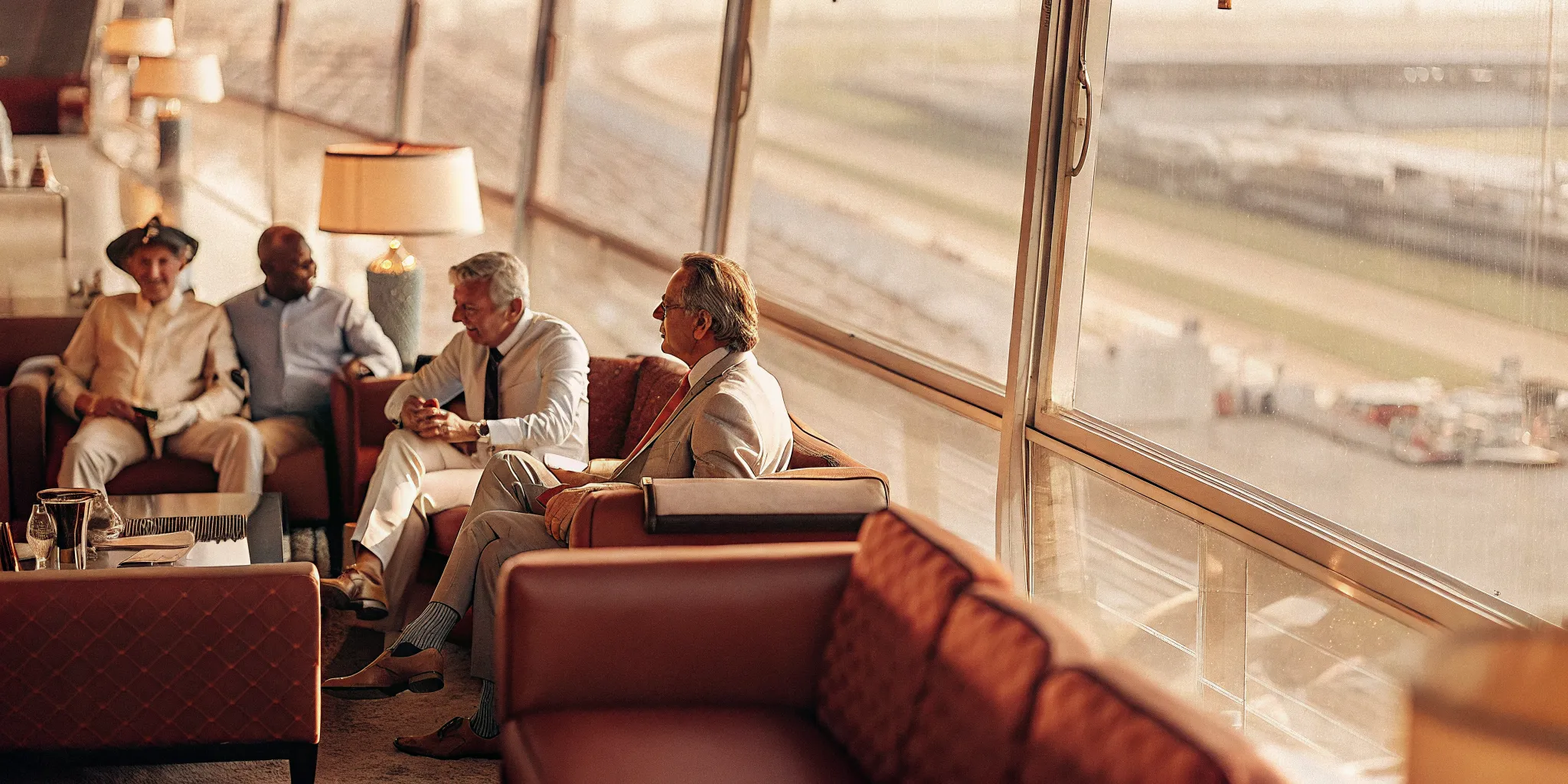
Venue placement matters. A reserved room or premium hospitality space gives the group a dependable place to gather and reduces the friction of navigating a major event. It also makes introductions feel more natural than a formal reception. The host can move between conversations while guests remain comfortable and engaged.
Know the limitations
Horse racing is not ideal for every objective. A sensitive negotiation may call for the privacy of a golf-based itinerary. A technology-oriented group seeking dramatic production may prefer Formula 1. Horse racing performs best when the goal is warm relationship building, celebration, or client appreciation.
How marquee championships reward the right guests
Marquee championships are best used as scarce, emotionally powerful rewards for a small number of priority guests. They can strengthen a relationship through a shared memory, but hosts must deliberately plan conversation before and after the competition because attention stays on the event during play.
A championship’s strength is instant significance. Guests understand the rarity of the invitation without a lengthy explanation. This makes the format effective for recognizing a major contribution, celebrating a completed transaction, or demonstrating commitment to an important relationship.
Match the event to genuine interest
Do not select a championship purely because it is prominent. The invitation feels more personal when it aligns with a guest’s established interest. A host who remembers a client’s favorite team, sport, or bucket-list event signals attention long before the trip begins.
Build a complete hospitality arc
The best championship programs include three phases: anticipation, the event itself, and a thoughtful close. A hosted meal before play creates conversation time. Premium access elevates the shared experience. A flexible post-event plan gives guests a chance to reflect and keeps the relationship from ending at the venue exit.
- Before: Confirm preferences, introduce guests, and establish an unhurried meeting point.
- During: Keep logistics invisible and let the event remain the focus.
- After: Provide a comfortable close, then follow up with a personal reference to the experience.
How to choose an event for a specific business goal
Choose the event by scoring each option against the relationship objective, guest interests, conversation needs, group size, and travel tolerance. This approach turns executive hospitality from an expensive invitation into a deliberate relationship strategy.
Use a five-question decision framework
- What must change after the event? Define whether success means deeper trust, a new introduction, recognition, or progress on a specific opportunity.
- Who belongs in the room? Invite only guests whose interests and relationships support the objective.
- How much conversation is required? Choose golf or horse racing for longer exchanges, and plan supporting meals around louder events.
- What level of complexity can the group absorb? International destinations and major race weekends require more planning and guest communication.
- Which details should the host never manage on site? Assign access, transfers, accommodations, and schedule changes to a dedicated team.
Protect executive attention
The return on a premium event depends on the host being available to the guests. If the executive is resolving ticket questions, checking transportation, or managing a last-minute change, the program loses its purpose. Superior Executive Services positions its service around end-to-end coordination and personal support, allowing the host to focus on relationships rather than operations.
Measure quality, not attendance
A successful program does not need a large guest count. Measure whether the right conversations happened, whether guests felt known, and whether follow-up became easier. Capture a few private notes after the trip, then act while the shared experience is fresh. The event opens the door; disciplined follow-up turns it into business value.
Frequently asked questions
Which sporting event is best for networking with senior clients?
For sustained senior-level conversation, a golf tournament is often the strongest choice. The Masters and Players Championship can combine premium access with private accommodations, transportation, and hospitality. This creates several natural settings for trust-building over multiple days.
Are Formula 1 races good for corporate hospitality?
Yes. Formula 1 races offer memorable action and premium hospitality spaces that work well for groups. They are strongest when the itinerary also includes planned conversation windows, such as a private meal, lounge time, or coordinated transportation.
How many guests should an executive-hosting program include?
The right number depends on the goal and hospitality format. Smaller groups are generally better for developing a few priority relationships. Larger groups can work for recognition or community building when the venue provides a reliable hospitality base and the guest mix is intentional.
What should be included in an executive sports itinerary?
A complete itinerary should coordinate event access, accommodations, ground transportation, hospitality, guest communications, and contingency planning. It should also preserve open time for conversations rather than filling every hour.
Plan an executive experience built around the relationship
The event is the setting, not the strategy. Superior Executive Services helps companies align premium access, accommodations, hospitality, and logistics with the people they most want to impress. Its boutique approach provides direct, personalized support before and throughout the experience.