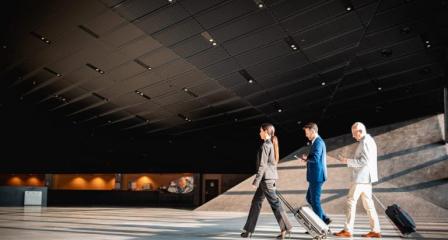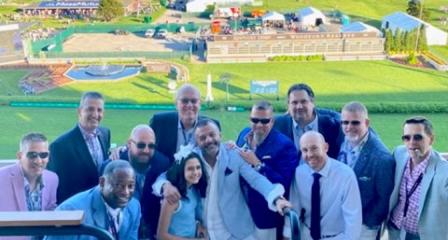
A premier sporting event gives a leadership retreat a sharper point of focus. Away from office routines, directors can handle serious work, then deepen relationships through a shared experience few meetings can match.
Board retreat ideas at sporting events work best when a premier event anchors a clear agenda with set outcomes, rather than replacing essential board work. Select refined lodging with discreet meeting space, controlled arrivals, and confidential dining options. Keep venue transfers short and well planned for principal guests. Design the schedule around decision-ready strategy sessions, event attendance, private conversations, and recovery time. A dedicated concierge handles accommodations, credentials, transport, dining, and optional VIP hospitality. This lets senior leaders stay present at each arrival and departure. In this private retreat model, every detail is managed, so guests focus on relationships, decisions, and time together.
The central question is how to shape that experience into business time worthy of a board’s attention, trust, and discretion. Board retreat ideas at sporting events that elevate leadership time begin with the right event, setting, and service plan: here’s how.
Board retreat ideas at sporting events that elevate leadership time
A board retreat works best when the setting supports both focus and connection. A premier sporting event gives leaders a shared point of interest. It also leaves room for strategy sessions and private conversations. This is a clear departure from a routine offsite built around conference rooms alone.
A shared experience with purpose
Board retreat ideas at sporting events should begin with the purpose of the gathering. A race weekend, golf destination, or championship event can provide a natural setting for talks outside formal sessions. Shared attendance creates common ground, without forcing team building into a planned exercise.
The event does not replace the agenda. It gives the agenda a memorable anchor. A board can hold a focused morning discussion, attend the event, then reserve dinner for quieter follow-up. This rhythm creates space for decisions and relationships within the same trip.
A setting that respects leadership time
A high-level retreat includes many moving parts: arrival plans, lodging, hosted access, dining, and private group needs. Superior Executive Services curates end-to-end VIP travel and hospitality for corporate groups. Its concierge travel services help keep those details off the leadership team’s agenda.
This matters because a board retreat should not become a logistics project for attendees. Leaders can arrive with a clear schedule, take part in planned sessions, and enjoy the hosted event. A guide to premier sporting events for leadership retreats can help frame early choices.
Structure beyond a routine offsite
A sporting event retreat calls for careful planning, not a loose social calendar. Meeting blocks, travel between venues, dining time, and guest privacy should be set before arrival. The setting feels distinct because the experience is hosted. Yet the business purpose stays visible.
This approach also fits high-stakes leadership work. The Harvard Kennedy School’s major events program highlights preparation and time-sensitive decisions in complex event settings. For a board, a planned event schedule can protect discussion time. It can also give the retreat a defining shared experience.
How do you choose the right premier event for the board?
Start with the board’s purpose
The right event is the one that serves the board’s work, not just its calendar. Begin with the retreat goal: candid discussion, relationship building, recognition, or quiet strategic focus. Board retreat ideas at sporting events work best when the event pace supports that goal.
A retreat can create space for shared discussion across varied stakeholders. A published institutional retreat study describes that value in a structured retreat setting. Choose an experience that gives board members time to listen and respond.
Golf, Formula 1, or another premier event
Golf can suit a board that prefers measured conversation and room for smaller groups to connect. A private golf format can pair course time with meals and planned meeting blocks. Review the private golf retreat experience or a Masters board retreat experience before building the schedule around it.
Formula 1 may suit a group drawn to energy, precision, and a shared live spectacle. Conversation often happens around the event, rather than during its loudest moments. Another premier event may fit guests who favor tradition, shorter travel, or a different social setting.
| Planning lens. | Golf retreat. | Formula 1 or live event. |
|---|---|---|
| Primary goal. | Long relationship time. | Shared live occasion. |
| Conversation style. | Small-group dialogue. | Talks around attendance. |
| Group personality. | Quiet and participatory. | Social and spectator-led. |
| Travel tolerance. | Flexible destination. | Calendar shapes travel. |
| Schedule need. | Course and meeting blocks. | Meeting time off site. |
Fit, travel, and hospitality checks
Ask how far directors will travel, how much open time they value, and whether guests will attend. Test each option against the board agenda and privacy needs. A compelling event should not crowd out the discussion that justified the retreat.
Hospitality options may include preferred seating, private settings, lodging, dining, or ground transport. The right combination depends on the event and current availability. Confirm options before sharing an itinerary or setting expectations with the board.
Finally, set a working budget before choosing the event and access level. A guide to budgeting for executive leadership retreats helps compare travel, hospitality, meeting needs, and flexible spend in one frame.
Build a retreat schedule around decisions, not distractions
The most useful board retreat ideas at sporting events start with the board agenda, then place the event around it. That order protects sensitive discussion time and gives each social setting a clear role.
A retreat is not an extended hospitality calendar. A study of institution-wide retreats found that they can create space for collaborative discourse across departments. That principle matters when leaders must hear different views before approving priorities.
Decision-first architecture
Before selecting tickets or dining, ask the chair which decisions must leave the retreat resolved. List the required participants, pre-reads, privacy needs, and decision owner for each item. This working brief sets the schedule and keeps premium access from becoming the agenda.
The event choice may shape guest movements, dress, security, and meal plans. It should not dictate which strategic questions get attention. Treat access as a fixed operating constraint once booked, then design quiet working periods around key board needs.
A five-part retreat sequence
Build the itinerary in this order, with each block tied to a clear planning purpose:
- Begin with arrival and orientation. Confirm transfers, room access, confidentiality expectations, materials, and the first decision session.
- Protect strategy sessions first. Assign a room, facilitator, note owner, and clear decision question before any event activity begins.
- Place event time with intent. Use hospitality for conversation and shared experience, not for agenda items that need records or privacy.
- Reserve a private debrief. Capture decisions, open issues, owners, and the next action while discussion remains current.
- Plan the departure handoff. Pair departures and transfers with final materials, follow-up dates, and one point of contact for changes.
Your schedule should also show the operating layer behind each block: transportation, credentials, dining, accessibility needs, and backup contacts. Review retreat travel logistics while mapping arrivals and departures, especially when executive calendars require separate routing.
Private review points
Keep business discussion in reserved settings, not in transit or public hospitality areas. At the debrief, record what was decided, what remains open, and who will report back. That record lets the sporting event remain part of the experience without obscuring accountability.
A board secretary or named note owner needs the same itinerary version as the travel lead. The first owns decisions and actions; the second owns movements, access, and service handoffs. Keep these tracks aligned, but do not merge confidential notes into guest-facing plans.
Before final confirmation, send the chair one clean itinerary with decision blocks, guest movements, private spaces, and named contacts. Event access then supports the retreat plan, rather than competing with it.
Private lodging and concierge logistics set the tone
A setting built for quiet discussion
For board retreat ideas at sporting events, lodging is more than a place to sleep. It shapes how leaders gather before the event and how privately they can speak after it. Start with quiet common areas, discreet arrivals, reliable service, and space for a small meeting.
A lodging review asks simple questions. Can the group meet without crossing a busy public lobby? Is there a calm space for breakfast or a short briefing? Can meals and room timing be handled without pulling an executive into the details?
Movement without lost time
A retreat can lose its rhythm when vehicles, reservations, and event entry are separate pieces. Map each movement as one schedule: arrival, hotel check-in, discussion time, dining, event entry, and return transport. Superior can coordinate these details through its personalized concierge services, tailored to the group’s plans.
Transportation also protects the purpose of the retreat. A timed vehicle departure keeps a board session from ending in a rush. A planned return gives guests a clear next step after the event. For private aircraft arrivals, review retreat travel logistics early.
The event-day run of show
Build an event-day plan around the board’s need for focus, not only the ticket time. Include meeting times, meal windows, vehicle staging, venue arrival, access needs, guest contact details, and a return plan. Keep one lead contact for updates so leaders are not managing changes on their phones.
This level of planning matters at major events. Harvard Kennedy School notes that event planning includes stakeholder coordination and time-sensitive decisions. Its major events overview shows why a clear run of show supports a senior group.
Settle dining and meeting requirements before arrival. Note dietary needs, seating privacy, meeting room setup, presentation needs, and the timing of any hosted meal. The goal is not a packed itinerary. It is an orderly experience with room for discussion, relationships, and the sporting event itself.
When the schedule must reflect executive priorities and private group needs, ask about Superior’s concierge planning before selecting lodging and transport. A coordinated plan helps the retreat feel considered from arrival through departure.
How should leaders plan for confidentiality and discretion?
For boards weighing board retreat ideas at sporting events, discretion begins before the group arrives. A premier event can frame valuable time together, but sensitive work needs a separate plan. Decide what may be shared, who receives it, and where each conversation belongs.
Agenda control before departure
Keep the working agenda narrow and share it only with people who need its details. A general itinerary can cover arrivals, meals, and event timing. A separate board agenda can identify closed sessions without describing confidential subjects.
Leaders should also choose how updates, printed papers, and name lists will be handled. If a session is meant for focused board work, define its purpose in advance. Research on structured retreats supports dedicated time for agreed goals, away from daily interruptions.
This is also the point to identify attendee preferences that affect privacy. Ask whether guests prefer limited introductions, discreet arrival support, or no group photos. These requests are easier to honor when discussed before bookings and schedules are set.
Settings for sensitive discussion
An event venue suits shared hospitality, but it is not automatically right for every board topic. Reserve decision-making conversations for a quieter space selected for the group. Public concourses, busy lounges, and open transportation areas are better treated as social settings.
Think in layers: board session, hosted event experience, dining, and travel. Each layer has different visibility and sound levels. When reviewing retreat entertainment ideas at sporting events, assess where informal connection fits and where private discussion should pause.
The same care applies to guests and staff. Agree in advance who will attend each meal, transfer, and hosted activity. A clear attendee list helps avoid awkward changes when directors, advisers, spouses, or invited clients have different access needs.
Movement and concierge planning
Movement can reveal more than the meeting itself. Plan arrival windows, vehicle groupings, meeting-room transitions, and departures with care. Some boards may want directors to travel together. Others may prefer flexible movement, smaller groups, or a direct return after a session.
Travel choices should follow the retreat agenda, not complicate it. Review retreat travel logistics early if executive arrivals or transfers need extra care. The planning team can consider practical requests without making assumptions about privacy.
No location, ticket, suite, vehicle, or service arrangement can promise complete confidentiality. Leaders should discuss discretion needs, attendee preferences, agenda circulation, and movement concerns with the concierge team in advance. The team can plan suitable options and explain what can reasonably be arranged for the event.
A concise planning checklist for an executive event retreat
A board retreat at a premier sporting event works best when it supports a clear business purpose. Start with the decisions the retreat must advance: strategy, client relationships, leadership alignment, or team recognition. Institutional retreat research shows that planned time can support shared goals through collaborative discussion. See this published retreat study for the research context.
Decisions to make first
Define the objective before choosing the event. Then build a guest list that fits it, including board members, key executives, select clients, or partners. Choose a sporting event that allows time together without crowding out the meeting agenda. Review premier sporting events for leadership retreats as you narrow the setting.
- Objective: Name the decisions, relationships, or recognition goal the retreat should support.
- Guests: Confirm attendee roles, partners, hosts, and any high-profile guest needs.
- Event fit: Check interest level, setting, hosting style, and time available for conversation.
- Meeting requirements: Set private session times, room layout, screens, secure Wi-Fi, and quiet space needs.
Logistics and guest care
Map the guest experience from arrival to departure. Confirm accommodations, room types, early arrivals, private ground transport, event transfers, and departure plans. Add hospitality choices such as hosted meals, suite service, welcome amenities, and free time. The itinerary should help guests focus on the purpose of the retreat.
Gather dietary needs and accessibility requests with care and discretion. Ask about mobility support, seating needs, allergies, cultural preferences, and private assistance. Decide who may see the itinerary, guest names, travel details, and meeting topics. For board leaders and invited clients, privacy preferences should guide each service handoff.
Check timing around the event itself. Avoid asking leaders to move from a late hospitality program into an early strategy session. Leave space for private conversations and rest. A well paced schedule respects both the agenda and the guests.
Briefing the concierge partner
A concise brief lets a concierge partner shape the retreat around business needs and guest comfort. Share the objective, preferred event, proposed dates, headcount, and guest profile. Add the meeting schedule, lodging standard, transport plan, access needs, hospitality level, and privacy rules. Name one lead contact who can approve changes promptly.
- Budget framework: State the approved range and which upgrades require approval.
- Schedule balance: Protect formal meeting blocks and unhurried time at the sporting event.
- Service notes: Record dietary, accessibility, arrival, security, and discretion requests in one brief.
- Inquiry timing: Begin planning once the guest list and event preference are credible. Preferred access and rooms may be limited.
For board retreat ideas at sporting events, a clear brief keeps the gathering tied to its purpose. Structured retreats can protect time for focused planning away from daily demands. A peer-reviewed retreat review describes that value. The program can then center on comfort, privacy, and disciplined execution.
Frequently Asked Questions
How can a sporting event enhance a board retreat?
A premier sporting event gives directors a shared experience outside formal meetings, creating natural time for relationship-building and informal conversation. The business purpose remains primary, with strategy sessions planned before or around event attendance. Superior Executive Services describes private sporting retreats as settings for competition, camaraderie, and stronger business relationships in its private golf retreats overview.
How do you integrate business sessions with sporting event attendance?
Build the schedule around one or two clear retreat outcomes, then protect dedicated working sessions before hospitality begins. Use short decision blocks, private meals for follow-up discussion, and transfer buffers so venue movement never disrupts the agenda. Avoid placing sensitive or high-focus work directly after a long event day, when attention may be reduced.
What should be included in a board retreat budget for sporting events?
Include premium lodging, private meeting space, event access, ground transportation, dining, security or discretion needs, and concierge coordination. Price optional VIP hospitality separately, so decision-makers can compare a core plan with enhanced access. Leave a contingency line for last-minute adjustments; Superior Executive Services recommends planning for this flexibility in its luxury sports travel information.
How do you select the right sporting event for an executive team?
Select an event that suits the retreat objectives, guest preferences, travel tolerance, and privacy requirements. Confirm nearby luxury lodging, private meeting rooms, controlled transportation, and hospitality options before choosing dates. For confidential discussions, reserve closed-door working time away from crowded public areas and keep event attendance focused on connection rather than formal decisions.
Ready to plan a discreet executive retreat experience?
Delaying decisions can narrow your choices for lodging, event access, private spaces, and an agenda suited to senior leaders. Starting now gives your team time to align schedules, define privacy needs, and shape each gathering around clear leadership priorities. With core details settled early, executives can arrive prepared for focused conversations while concierge support manages the moving pieces.
Ready to plan a retreat that reflects your team’s standards, timing, and need for discretion? Request a tailored executive retreat itinerary to begin planning lodging, schedule flow, concierge logistics, and optional VIP hospitality around your selected premier sporting event. Bring your preferred event, expected guest count, leadership objectives, and any confidentiality requirements so planning begins with the right boundaries.A premier sporting event gives a leadership retreat a sharper point of focus. Away from office routines, directors can handle serious work, then deepen relationships through a shared experience few meetings can match.
Board retreat ideas at sporting events work best when a premier event anchors a clear agenda with set outcomes, rather than replacing essential board work. Select refined lodging with discreet meeting space, controlled arrivals, and confidential dining options. Keep venue transfers short and well planned for principal guests. Design the schedule around decision-ready strategy sessions, event attendance, private conversations, and recovery time. A dedicated concierge handles accommodations, credentials, transport, dining, and optional VIP hospitality. This lets senior leaders stay present at each arrival and departure. In this private retreat model, every detail is managed, so guests focus on relationships, decisions, and time together.
The central question is how to shape that experience into business time worthy of a board’s attention, trust, and discretion. Board retreat ideas at sporting events that elevate leadership time begin with the right event, setting, and service plan: here’s how.
Board retreat ideas at sporting events that elevate leadership time
A board retreat works best when the setting supports both focus and connection. A premier sporting event gives leaders a shared point of interest. It also leaves room for strategy sessions and private conversations. This is a clear departure from a routine offsite built around conference rooms alone.
A shared experience with purpose
Board retreat ideas at sporting events should begin with the purpose of the gathering. A race weekend, golf destination, or championship event can provide a natural setting for talks outside formal sessions. Shared attendance creates common ground, without forcing team building into a planned exercise.
The event does not replace the agenda. It gives the agenda a memorable anchor. A board can hold a focused morning discussion, attend the event, then reserve dinner for quieter follow-up. This rhythm creates space for decisions and relationships within the same trip.
A setting that respects leadership time
A high-level retreat includes many moving parts: arrival plans, lodging, hosted access, dining, and private group needs. Superior Executive Services curates end-to-end VIP travel and hospitality for corporate groups. Its concierge travel services help keep those details off the leadership team’s agenda.
This matters because a board retreat should not become a logistics project for attendees. Leaders can arrive with a clear schedule, take part in planned sessions, and enjoy the hosted event. A guide to premier sporting events for leadership retreats can help frame early choices.
Structure beyond a routine offsite
A sporting event retreat calls for careful planning, not a loose social calendar. Meeting blocks, travel between venues, dining time, and guest privacy should be set before arrival. The setting feels distinct because the experience is hosted. Yet the business purpose stays visible.
This approach also fits high-stakes leadership work. The Harvard Kennedy School’s major events program highlights preparation and time-sensitive decisions in complex event settings. For a board, a planned event schedule can protect discussion time. It can also give the retreat a defining shared experience.
How do you choose the right premier event for the board?
Start with the board’s purpose
The right event is the one that serves the board’s work, not just its calendar. Begin with the retreat goal: candid discussion, relationship building, recognition, or quiet strategic focus. Board retreat ideas at sporting events work best when the event pace supports that goal.
A retreat can create space for shared discussion across varied stakeholders. A published institutional retreat study describes that value in a structured retreat setting. Choose an experience that gives board members time to listen and respond.
Golf, Formula 1, or another premier event
Golf can suit a board that prefers measured conversation and room for smaller groups to connect. A private golf format can pair course time with meals and planned meeting blocks. Review the private golf retreat experience before building the schedule around it.
Formula 1 may suit a group drawn to energy, precision, and a shared live spectacle. Conversation often happens around the event, rather than during its loudest moments. Another premier event may fit guests who favor tradition, shorter travel, or a different social setting.
| Planning lens. | Golf retreat. | Formula 1 or live event. |
|---|---|---|
| Primary goal. | Long relationship time. | Shared live occasion. |
| Conversation style. | Small-group dialogue. | Talks around attendance. |
| Group personality. | Quiet and participatory. | Social and spectator-led. |
| Travel tolerance. | Flexible destination. | Calendar shapes travel. |
| Schedule need. | Course and meeting blocks. | Meeting time off site. |
Fit, travel, and hospitality checks
Ask how far directors will travel, how much open time they value, and whether guests will attend. Test each option against the board agenda and privacy needs. A compelling event should not crowd out the discussion that justified the retreat.
Hospitality options may include preferred seating, private settings, lodging, dining, or ground transport. The right combination depends on the event and current availability. Confirm options before sharing an itinerary or setting expectations with the board.
Finally, set a working budget before choosing the event and access level. A guide to budgeting for executive leadership retreats helps compare travel, hospitality, meeting needs, and flexible spend in one frame.
Build a retreat schedule around decisions, not distractions
The most useful board retreat ideas at sporting events start with the board agenda, then place the event around it. That order protects sensitive discussion time and gives each social setting a clear role.
A retreat is not an extended hospitality calendar. A study of institution-wide retreats found that they can create space for collaborative discourse across departments. That principle matters when leaders must hear different views before approving priorities.
Decision-first architecture
Before selecting tickets or dining, ask the chair which decisions must leave the retreat resolved. List the required participants, pre-reads, privacy needs, and decision owner for each item. This working brief sets the schedule and keeps premium access from becoming the agenda.
The event choice may shape guest movements, dress, security, and meal plans. It should not dictate which strategic questions get attention. Treat access as a fixed operating constraint once booked, then design quiet working periods around key board needs.
A five-part retreat sequence
Build the itinerary in this order, with each block tied to a clear planning purpose:
- Begin with arrival and orientation. Confirm transfers, room access, confidentiality expectations, materials, and the first decision session.
- Protect strategy sessions first. Assign a room, facilitator, note owner, and clear decision question before any event activity begins.
- Place event time with intent. Use hospitality for conversation and shared experience, not for agenda items that need records or privacy.
- Reserve a private debrief. Capture decisions, open issues, owners, and the next action while discussion remains current.
- Plan the departure handoff. Pair departures and transfers with final materials, follow-up dates, and one point of contact for changes.
Your schedule should also show the operating layer behind each block: transportation, credentials, dining, accessibility needs, and backup contacts. Review retreat travel logistics while mapping arrivals and departures, especially when executive calendars require separate routing.
Private review points
Keep business discussion in reserved settings, not in transit or public hospitality areas. At the debrief, record what was decided, what remains open, and who will report back. That record lets the sporting event remain part of the experience without obscuring accountability.
A board secretary or named note owner needs the same itinerary version as the travel lead. The first owns decisions and actions; the second owns movements, access, and service handoffs. Keep these tracks aligned, but do not merge confidential notes into guest-facing plans.
Before final confirmation, send the chair one clean itinerary with decision blocks, guest movements, private spaces, and named contacts. Event access then supports the retreat plan, rather than competing with it.
Private lodging and concierge logistics set the tone
A setting built for quiet discussion
For board retreat ideas at sporting events, lodging is more than a place to sleep. It shapes how leaders gather before the event and how privately they can speak after it. Start with quiet common areas, discreet arrivals, reliable service, and space for a small meeting.
A lodging review asks simple questions. Can the group meet without crossing a busy public lobby? Is there a calm space for breakfast or a short briefing? Can meals and room timing be handled without pulling an executive into the details?
Movement without lost time
A retreat can lose its rhythm when vehicles, reservations, and event entry are separate pieces. Map each movement as one schedule: arrival, hotel check-in, discussion time, dining, event entry, and return transport. Superior can coordinate these details through its personalized concierge services, tailored to the group’s plans.
Transportation also protects the purpose of the retreat. A timed vehicle departure keeps a board session from ending in a rush. A planned return gives guests a clear next step after the event. For private aircraft arrivals, review retreat travel logistics early.
The event-day run of show
Build an event-day plan around the board’s need for focus, not only the ticket time. Include meeting times, meal windows, vehicle staging, venue arrival, access needs, guest contact details, and a return plan. Keep one lead contact for updates so leaders are not managing changes on their phones.
This level of planning matters at major events. Harvard Kennedy School notes that event planning includes stakeholder coordination and time-sensitive decisions. Its major events overview shows why a clear run of show supports a senior group.
Settle dining and meeting requirements before arrival. Note dietary needs, seating privacy, meeting room setup, presentation needs, and the timing of any hosted meal. The goal is not a packed itinerary. It is an orderly experience with room for discussion, relationships, and the sporting event itself.
When the schedule must reflect executive priorities and private group needs, ask about Superior’s concierge planning before selecting lodging and transport. A coordinated plan helps the retreat feel considered from arrival through departure.
How should leaders plan for confidentiality and discretion?
For boards weighing board retreat ideas at sporting events, discretion begins before the group arrives. A premier event can frame valuable time together, but sensitive work needs a separate plan. Decide what may be shared, who receives it, and where each conversation belongs.
Agenda control before departure
Keep the working agenda narrow and share it only with people who need its details. A general itinerary can cover arrivals, meals, and event timing. A separate board agenda can identify closed sessions without describing confidential subjects.
Leaders should also choose how updates, printed papers, and name lists will be handled. If a session is meant for focused board work, define its purpose in advance. Research on structured retreats supports dedicated time for agreed goals, away from daily interruptions.
This is also the point to identify attendee preferences that affect privacy. Ask whether guests prefer limited introductions, discreet arrival support, or no group photos. These requests are easier to honor when discussed before bookings and schedules are set.
Settings for sensitive discussion
An event venue suits shared hospitality, but it is not automatically right for every board topic. Reserve decision-making conversations for a quieter space selected for the group. Public concourses, busy lounges, and open transportation areas are better treated as social settings.
Think in layers: board session, hosted event experience, dining, and travel. Each layer has different visibility and sound levels. When reviewing retreat entertainment ideas at sporting events, assess where informal connection fits and where private discussion should pause.
The same care applies to guests and staff. Agree in advance who will attend each meal, transfer, and hosted activity. A clear attendee list helps avoid awkward changes when directors, advisers, spouses, or invited clients have different access needs.
Movement and concierge planning
Movement can reveal more than the meeting itself. Plan arrival windows, vehicle groupings, meeting-room transitions, and departures with care. Some boards may want directors to travel together. Others may prefer flexible movement, smaller groups, or a direct return after a session.
Travel choices should follow the retreat agenda, not complicate it. Review retreat travel logistics early if executive arrivals or transfers need extra care. The planning team can consider practical requests without making assumptions about privacy.
No location, ticket, suite, vehicle, or service arrangement can promise complete confidentiality. Leaders should discuss discretion needs, attendee preferences, agenda circulation, and movement concerns with the concierge team in advance. The team can plan suitable options and explain what can reasonably be arranged for the event.
A concise planning checklist for an executive event retreat
A board retreat at a premier sporting event works best when it supports a clear business purpose. Start with the decisions the retreat must advance: strategy, client relationships, leadership alignment, or team recognition. Institutional retreat research shows that planned time can support shared goals through collaborative discussion. See this published retreat study for the research context.
Decisions to make first
Define the objective before choosing the event. Then build a guest list that fits it, including board members, key executives, select clients, or partners. Choose a sporting event that allows time together without crowding out the meeting agenda. Review premier sporting events for leadership retreats as you narrow the setting.
- Objective: Name the decisions, relationships, or recognition goal the retreat should support.
- Guests: Confirm attendee roles, partners, hosts, and any high-profile guest needs.
- Event fit: Check interest level, setting, hosting style, and time available for conversation.
- Meeting requirements: Set private session times, room layout, screens, secure Wi-Fi, and quiet space needs.
Logistics and guest care
Map the guest experience from arrival to departure. Confirm accommodations, room types, early arrivals, private ground transport, event transfers, and departure plans. Add hospitality choices such as hosted meals, suite service, welcome amenities, and free time. The itinerary should help guests focus on the purpose of the retreat.
Gather dietary needs and accessibility requests with care and discretion. Ask about mobility support, seating needs, allergies, cultural preferences, and private assistance. Decide who may see the itinerary, guest names, travel details, and meeting topics. For board leaders and invited clients, privacy preferences should guide each service handoff.
Check timing around the event itself. Avoid asking leaders to move from a late hospitality program into an early strategy session. Leave space for private conversations and rest. A well paced schedule respects both the agenda and the guests.
Briefing the concierge partner
A concise brief lets a concierge partner shape the retreat around business needs and guest comfort. Share the objective, preferred event, proposed dates, headcount, and guest profile. Add the meeting schedule, lodging standard, transport plan, access needs, hospitality level, and privacy rules. Name one lead contact who can approve changes promptly.
- Budget framework: State the approved range and which upgrades require approval.
- Schedule balance: Protect formal meeting blocks and unhurried time at the sporting event.
- Service notes: Record dietary, accessibility, arrival, security, and discretion requests in one brief.
- Inquiry timing: Begin planning once the guest list and event preference are credible. Preferred access and rooms may be limited.
For board retreat ideas at sporting events, a clear brief keeps the gathering tied to its purpose. Structured retreats can protect time for focused planning away from daily demands. A peer-reviewed retreat review describes that value. The program can then center on comfort, privacy, and disciplined execution.
Frequently Asked Questions
How can a sporting event enhance a board retreat?
A premier sporting event gives directors a shared experience outside formal meetings, creating natural time for relationship-building and informal conversation. The business purpose remains primary, with strategy sessions planned before or around event attendance. Superior Executive Services describes private sporting retreats as settings for competition, camaraderie, and stronger business relationships in its private golf retreats overview.
How do you integrate business sessions with sporting event attendance?
Build the schedule around one or two clear retreat outcomes, then protect dedicated working sessions before hospitality begins. Use short decision blocks, private meals for follow-up discussion, and transfer buffers so venue movement never disrupts the agenda. Avoid placing sensitive or high-focus work directly after a long event day, when attention may be reduced.
What should be included in a board retreat budget for sporting events?
Include premium lodging, private meeting space, event access, ground transportation, dining, security or discretion needs, and concierge coordination. Price optional VIP hospitality separately, so decision-makers can compare a core plan with enhanced access. Leave a contingency line for last-minute adjustments; Superior Executive Services recommends planning for this flexibility in its luxury sports travel information.
How do you select the right sporting event for an executive team?
Select an event that suits the retreat objectives, guest preferences, travel tolerance, and privacy requirements. Confirm nearby luxury lodging, private meeting rooms, controlled transportation, and hospitality options before choosing dates. For confidential discussions, reserve closed-door working time away from crowded public areas and keep event attendance focused on connection rather than formal decisions.
Ready to plan a discreet executive retreat experience?
Delaying decisions can narrow your choices for lodging, event access, private spaces, and an agenda suited to senior leaders. Starting now gives your team time to align schedules, define privacy needs, and shape each gathering around clear leadership priorities. With core details settled early, executives can arrive prepared for focused conversations while concierge support manages the moving pieces.
Ready to plan a retreat that reflects your team’s standards, timing, and need for discretion? Request a tailored executive retreat itinerary to begin planning lodging, schedule flow, concierge logistics, and optional VIP hospitality around your selected premier sporting event. Bring your preferred event, expected guest count, leadership objectives, and any confidentiality requirements so planning begins with the right boundaries.