
A VIP sports experience can protect a prized relationship or expose poor preparation. The difference starts long before race day, tee time, or the opening whistle.
Schedule a corporate hospitality consultation with Superior Executive Services.
Corporate hospitality budget planning sets the purpose, guest list, experience level, and full cost before an executive invitation is issued. For a VIP sports event, the working budget should cover hospitality access, accommodations, transportation, dining, concierge coordination, and room for last-minute guest needs. It should also tie each choice to a business aim, such as strengthening a key client relationship, hosting senior prospects, or recognizing top performers. Major sports experiences commonly need six to twelve months of advance planning for budget approval and premium inventory. Superior Executive Services then shapes the right event, access tier, and end-to-end logistics, so leaders can host with confidence instead of managing details on site.
The question is not simply what a premium ticket costs. It is which outcome justifies the experience, which guests matter most, and which details protect your reputation before anyone arrives. Corporate hospitality budget planning starts with outcomes.
Corporate hospitality budget planning starts with outcomes
Corporate hospitality budget planning should begin with the purpose of the invitation, not the appeal of a marquee calendar date. Define what the occasion must support: a client conversation, recognition for key partners, or focused time with senior leaders.
Hosting purpose before venue
A famous event may be right, but it is not the brief. Start with who should spend time together, why the setting helps, and what the host needs to learn or strengthen.
Then decide whether the occasion calls for private conversation, shared excitement, or recognition in a polished setting. Superior Executive Services presents this broader approach through corporate event hospitality planning. It begins with the guest experience, rather than the event name alone.
Guests, approvers and relationship goal
Build the guest profile before reviewing packages. Note seniority, existing relationship, travel needs, accessibility needs, preferred pace, and whether guests will welcome group time or quieter hosting.
Name the decision-makers at the same stage. The executive sponsor may set the purpose. Procurement, finance, travel, and the internal host can test whether the plan can be delivered well. Clear roles keep a compelling event from becoming an unfunded idea.
- What conversation should this occasion make easier?
- Which guests matter for that goal, and who will host them?
- What would a successful relationship moment look like after the event?
Guardrails for the full guest journey
Budget guardrails should cover the journey guests will notice, not only admission or hospitality access. Consider invitations, travel, lodging, transfers, dining, on-site hosting, departure timing, and support when plans change.
This whole-experience view keeps planning grounded. A Cornell hospitality planning resource notes that hospitality plans must balance the needs of guests and owners. That balance should guide each choice.
Once the guardrails are clear, compare event choices on fit, service needs, and guest flow. For example, the F1 Austin Grand Prix VIP travel planning guide places lodging, transfers, and hospitality access in one race-weekend plan.
Value, in this context, is a well-chosen setting and a well-managed experience that supports the intended relationship outcome. It is not a promised return. A disciplined brief gives leaders a sound basis for approval before they select the marquee event.
How should you choose a VIP sports event?
Superior Executive Services begins event selection with guest fit and hosting purpose. The right VIP sports event gives executives the setting, access style, travel flow. And hosted time needed for meaningful client conversations, instead of selecting prestige first and solving logistics later.
Guest fit before event prestige
Start with the guests, not the marquee name. Ask what they follow, how they prefer to spend time, and what would make conversation easy. A client who values quiet access may welcome golf experiences, where a long day leaves room for unhurried discussion.
Event choice is also part of corporate hospitality budget planning. The right event aligns access, travel, lodging, dining, and hosted time with the purpose of the invitation. Hospitality planning must balance guest needs with operating needs, a principle described in Cornell’s hospitality planning guidance.
Access style and conversation setting
Decide whether the group needs sustained conversation or shared energy. Golf can support relationship building across several hours, with natural pauses for business talk. Formula 1 tours suit guests drawn to pace, technology, and a weekend built around several scheduled moments.
| Event. | Access style. | Conversation setting. | Planning lens. |
|---|---|---|---|
| Golf. | Course and hospitality access. | Extended, calm time together. | Guest skill and pace. |
| Formula 1. | Race-weekend hospitality. | High-energy shared moments. | Travel and schedule flow. |
| Kentucky Derby. | Race-day hospitality. | Social hosting atmosphere. | Dress, dining, and group hosting. |
The Kentucky Derby creates a different type of invitation. It suits a group that values tradition, hospitality, and a polished social setting. Consider the Kentucky Derby when the host wants a celebratory day that lets guests connect beyond one main contest.
Calendar, destination, and hosted time
Next, test the event against the executive calendar. Note travel days, meeting conflicts, guest arrival patterns, and the time hosts can spend with each attendee. A destination with strong dining and lodging options can extend useful time together without forcing a crowded agenda.
Match the experience length to the relationship goal. A single hosted day can suit introductions or recognition. A full weekend can support deeper client contact, if guests welcome the added travel and time away. Include transfers, accommodations, meals, and access style before comparing options.
The best choice is the event guests will engage with, in a setting that supports the host’s goal. Select the experience first, then shape the service level and schedule around that clear purpose.
What belongs in corporate hospitality budget planning?
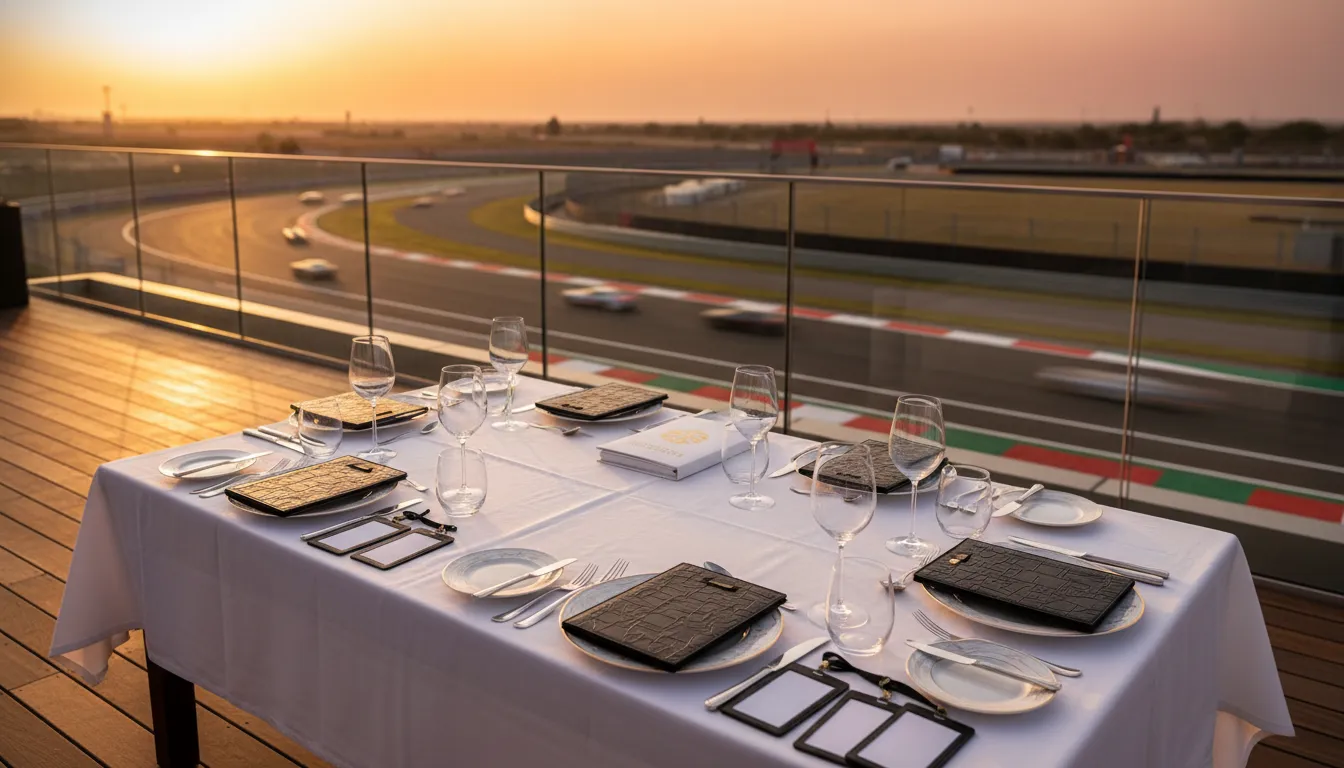
Superior Executive Services builds a complete hospitality budget around the entire guest journey. A credible plan accounts for access, lodging, transfers, dining, coordination, and contingency before approvals are finalized. So leadership reviews the real hosted experience rather than one visible line item.
Corporate hospitality budget planning should begin with the full guest journey, not one admission item. A useful budget covers the experience from invitation and arrival through the final departure. This approach keeps the host focused on client relationships, while each planned detail supports a smooth event day.
Core guest experience costs
Start with hospitality access that suits the purpose of the event and the guests being hosted. Then budget lodging for the right nights, room needs, and proximity to planned activities. Superior’s guide to corporate hospitality budget planning shows how lodging, transfers, and access fit together for an event weekend.
Transport belongs beside lodging, rather than as a later add-on. Include arrival transfers, hotel-to-venue travel, departure plans, and a clear response to schedule shifts. Dining and hosting should cover the moments around the event, such as a welcome meal or a private client gathering.
- Hospitality access aligned with the guest list and hosting goal.
- Lodging nights, room needs, location, and check-in timing.
- Airport, hotel, venue, and departure transfers.
- Meals, hosted gatherings, and dietary needs.
Enhancements and protected funds
Optional enhancements should have their own line items. These might include private transport, added entertainment, branded touches, or special access that supports the invitation. Keeping them separate helps decision makers approve the core plan first, then select upgrades with intent.
Transport upgrades also need the same clear review as other choices. If private flight arrangements suit the guest group, review budgeting for event transfers alongside ground travel and arrival timing. The aim is a joined-up itinerary, not added complexity.
A contingency reserve protects the hosted experience when timing, travel, or guest needs change. It can account for alternate transfers, extended lodging, or a revised hosting plan. A complete budget does not promise plans will never shift. It provides room to respond without lowering service quality.
Coordination across the itinerary
Concierge coordination is a real part of scope. Someone must confirm timing, manage guest details, align vendors, and handle changes with care. Cornell University notes that hotel planning must balance the needs of guests, staff, and owners. A hosted itinerary needs that same clear view across its moving parts.
Review the budget as one itinerary before approval. Check who owns each detail, when each commitment is due, and how the guest moves between moments. This review turns a group of line items into an experience a host can deliver with confidence.
How do group size and hospitality tiers shape the plan?
Superior Executive Services aligns guest count and hospitality tier before proposals are compared. A smaller executive group may prioritize private time and flexibility, while a wider hosted group requires shared schedules, steady service, and clear host coverage across every guest touchpoint.
Group size and service level should be set together, not as separate budget lines. A small executive group may need privacy, quiet hosting, and flexible movement. A broader hosted group may put more weight on shared access, clear schedules, and steady service across all guests. This choice guides corporate hospitality budget planning before approvals begin.
A focused executive group
A focused group suits a meeting where each invitation has a clear relationship goal. Fewer guests can make room for private dining, discreet transfers, and a host who can adjust plans as needs change. The budget is concentrated on the moments that matter most, rather than spread across a larger guest list.
This format also makes the guest brief more precise. Leadership can confirm who attends, who hosts each conversation, and which details need added privacy. For an event-specific example, the Preakness guide on hospitality budget planning shows how tier and logistics fit one hosted experience.
A broader hosted group
A broader group can support client appreciation, team reward, or a wider relationship program. It often requires firm rules for invitations, transfers, meal plans, access points, and host coverage. Privacy may be limited in shared settings, but steady service can still keep the experience polished and easy to manage.
Scope should cover more than the hospitality setting itself. Planning must balance the guest experience with operational needs, a principle reflected in Cornell’s hospitality planning guidance. In practice, that means pricing transport flow, arrival timing, dining needs, and on-site support before comparing options.
Tier choice and approval questions
Superior Executive Services identifies Superior, Platinum, Gold, and Silver tiers for different budget and exclusivity needs. A tier is useful only when decision makers know what it protects: visibility, privacy, access, service level, or spend control. Its hospitality tiers can frame a review, while the guest purpose should decide the fit.
- Which guests need private time with senior hosts, and which guests benefit from a shared setting?
- What access, dining, transfer, lodging, and support items are included at each tier?
- Which costs are fixed at approval, and which may change with guest count or travel needs?
- Who approves upgrades, late guest changes, or privacy needs after the plan is signed off?
Procurement can then compare like with like, while leadership can check whether service supports the relationship goal. A clear guest count and tier brief also gives the planning team firm limits for later choices.
Request a tailored VIP sports event planning conversation.
Build a planning timeline before inventory narrows
Purpose, guests, and timing
Corporate hospitality budget planning starts with the business purpose and the people in the room. Decide whether the experience supports client retention, executive relationship building, or a team incentive before comparing events.
For a major event, use a six-to-twelve-month lead time as general guidance, not a fixed rule. Superior notes that early planning helps with budget approval and premium inventory in its event planning guidance.
- Define the objective and guest list. Name the relationship goal, decision makers, hosts, invited guests, and likely alternates. Group size shapes lodging, transport, dining, and hospitality needs.
- Match the event to the audience. Select an experience that fits guest interests, travel tolerance, calendar limits, and the level of access expected. A good fit matters more than an event name alone.
- Request and compare proposals. Review what is included across access, hotels, transfers, hosted dining, support, and change terms. Compare complete experiences, not isolated line items.
- Secure internal approval. Provide the objective, invitee rationale, proposed spend, approval owner, and a decision deadline. A clear review path limits delays while suitable options remain available.
- Confirm travel details. Once approved, gather names, arrival plans, room needs, dietary notes, and ground transport details. Track open items in one working file with an owner for each answer.
- Brief guests and execute onsite. Send a clear itinerary, contact method, attire notes, timing, and arrival instructions. During the event, manage changes quietly and record follow-up points for the host team.
From approval to a workable itinerary
A budget is useful only when it reflects how guests will move through the experience. Cornell hospitality research describes planning as defining activities, assigning space, and linking spaces for smooth operations in its hospitality planning framework.
That same approach applies beyond the venue. A concierge travel service can coordinate lodging, transfers, dining, and itinerary support as one plan. Hosts do not need to manage each request alone.
Final control points
Set check-in dates before invitations go out, before names are due, and before final travel documents are sent. Onsite, keep one lead contact and one current itinerary, so hosts can stay focused on their guests.
Concierge coordination protects the guest experience
One plan for every guest detail
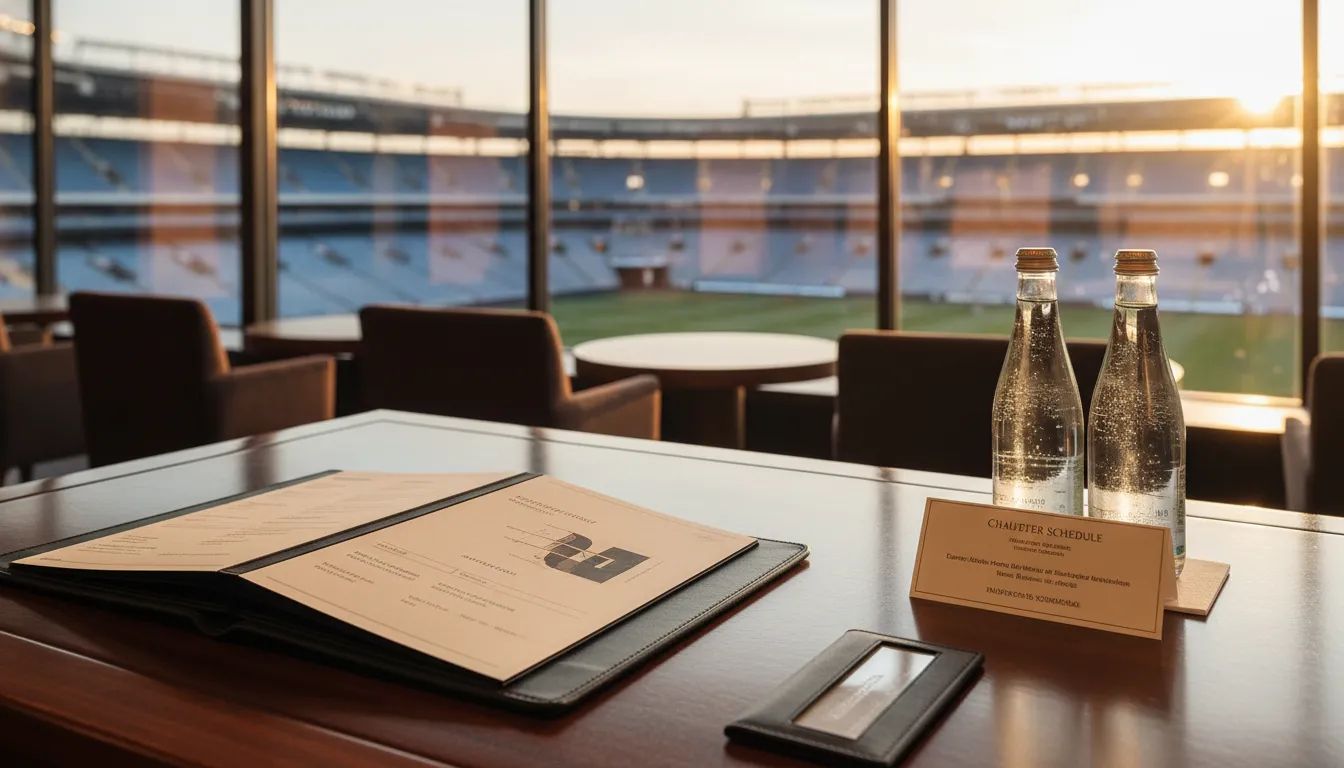
A hospitality budget can look complete while guest needs still sit in separate emails and spreadsheets. Rooms, airport transfers, dining plans, arrival times, dietary notes, and host preferences all affect the same experience. Central coordination puts those needs in one working plan, with one place to confirm changes.
This is where concierge travel services support corporate hospitality budget planning. The plan can show what is included for each guest, what needs approval, and which requests may change cost. Hosts gain a clear view of commitments without managing each reservation themselves.
Budget clarity before the event
A guest itinerary is also a cost map. A room extension can affect transfers, meals, staffing, and access timing. A late arrival may call for a different car plan or a revised dinner booking. Tracking these links before approval makes the budget easier to review and update.
- Accommodations: room nights, room types, early arrivals, and guest assignments.
- Movement: airport pickups, venue transfers, drivers, and timing changes.
- Hosting: dining bookings, dietary needs, welcome details, and hosted moments.
- Support: contact points, live updates, and response plans for schedule changes.
Hospitality planning must serve guests, staff, and owners at the same time. A Cornell hospitality planning reference explains the need to balance guest and operational needs. For a corporate host, guest comfort cannot be separated from cost control.
Less burden when plans move
Premium event schedules leave little room for scattered decisions. If a guest changes flights or adds a spouse, a central coordinator can check the full plan. The same applies when a guest needs a quiet dinner setting. The host does not need to call each provider in turn.
This approach does not promise a business return or remove every surprise. It gives decision makers a record of choices, costs, and guest needs. Teams ready to review a plan can use the contact form. They can discuss scope, guest count, timing, and support needed on site.
Contact Superior Executive Services to shape your hospitality plan.
Frequently asked questions are answered below.
Frequently Asked Questions
How do you allocate budget for VIP sports event experiences?
Start with the business objective and guest list, then assign funds to hospitality access, accommodations, transfers, dining, and contingency. Match event prestige to the client relationship or executive goal. Compare packages on inclusions, service coverage, and cancellation terms, rather than entry access alone. A documented approval limit helps decision-makers adjust guest count or tier without disrupting the full itinerary.
What should be included in a hospitality planning timeline?
For major sports events, begin planning before annual approvals close and before premium inventory becomes limited. Superior Executive Services advises that major events typically need 6 to 12 months of advance planning for budget approval and premium inventory. Set milestones for guest confirmation, accommodations, transfers, dining preferences, host briefing, and final itinerary review.
How do you determine hospitality tiers for corporate budgets?
Choose a tier by first defining required privacy, access, hosting environment, and service support for the intended guests. A board-level client program may require different inclusions than a team incentive trip. Superior Executive Services structures packages as Superior, Platinum, Gold, and Silver tiers, reflecting different budget and exclusivity requirements. Compare tiers against the outcome, guest expectations, and total trip costs.
How does group size affect hospitality budget planning?
Group size changes more than the hospitality-access total. It affects room blocks, vehicle capacity, reservation design, staffing, dietary coordination, and how easily executives move between itinerary points. Build per-guest and fixed-cost estimates separately, then model a confirmed group and a small attendance increase. This approach clarifies which upgrades scale with attendees and which services can be shared across the group.
What is the importance of concierge coordination in budget planning?
Concierge coordination gives finance and executive teams one plan for event access, lodging, transfers, dining, guest requests, and schedule changes. Include coordination costs and service scope in the original budget, rather than treating logistics as a late addition. This helps reveal the full hosted experience cost and lowers the risk of last-minute transport, booking, or communication gaps.
Ready to plan a VIP sports experience with confidence?
Delaying a corporate hospitality decision can narrow the experiences that match your guests, priorities, and approved budget before important choices are made elsewhere. It can also leave internal teams rushing to align invitations, travel details, hosting expectations, and leadership approval. Starting now gives you room to define the right event experience, manage decisions clearly, and prepare a polished program for valued guests.
Ready to move from an open budget discussion to a clear hosting plan? Contact Superior Executive Services to schedule a corporate hospitality consultation and map the next steps for your VIP sports event. Begin planning with a team focused on the details your guests will notice and your hosts need managed.