Two Grand Prix weekends can create one exceptional journey, or twice the opportunities for a costly logistical miss. The difference is one coordinated plan built before premium access and preferred suites disappear.
Explore luxury Formula 1 race hospitality and start planning your two-race itinerary.
A multi city Formula 1 trip combines two Grand Prix weekends within one curated itinerary, with every flight, hotel, transfer, hospitality booking, and experience coordinated together. It begins by pairing races whose dates, routes, and travel pace suit the guests, then securing premium access before demand limits the best options. For corporate groups, the same plan must also protect hosting goals, guest preferences, downtime, and a consistent service standard across both destinations. That early coordination matters because race weekends draw high-value travelers; one analysis found a 12% rise in four- and five-star hotel occupancy in Mexico City. With Superior Executive Services managing every transition, guests can focus on the racing, relationships, and destination while contingencies stay handled behind the scenes.
The central question is not simply which two races belong together, but how every moving part can serve one clear purpose without burdening the guests. Why a multi city Formula 1 trip demands one master plan is the foundation for making that happen. The path begins with
Why a multi city Formula 1 trip demands one master plan
Pairing two Grand Prix weekends creates more than a longer vacation. It links race access, hotels, flights, ground transport, dining, and time between events. Each choice affects the next one. A master plan keeps those parts aligned with the group’s purpose, preferred pace, and standards.
Clear goals for both race weekends
Start by defining what the group should gain from the trip. A corporate host may focus on client relationships, while an incentive group may value shared moments and easy downtime. These goals shape every choice, from corporate hospitality planning to dinner plans. Our guide to plan a coordinated two-race itinerary explains how the event purpose guides group decisions.
The two races should also serve distinct roles. One weekend might center on track access and formal hosting. The other can allow more time for the city, private meals, or relaxed guest connections. Grand Prix weekends attract international visitors and broad media attention, according to Michigan State University’s globalEDGE. That demand makes early coordination important.
Guest profiles and a sustainable pace
A sound plan accounts for each guest before reservations begin. Consider arrival cities, travel documents, room needs, food requests, mobility, and interest in race activities. Executive travelers may need quiet time for calls. First-time guests may want more guidance at the circuit and throughout each host city.
- Set shared priorities for hospitality, sightseeing, dining, and private time.
- Build recovery time after flights, late dinners, and full race days.
- Confirm which moments require the full group and which remain optional.
- Plan clear meeting points, departure times, and backup transport.
Pacing matters because a full calendar can weaken the guest experience. Back-to-back early starts and late nights leave little room for rest or schedule changes. A balanced itinerary protects the energy needed for each race weekend. It also gives guests space to enjoy the destination beyond the circuit.
One plan across every handoff
Separate bookings can look complete while leaving gaps between them. A hotel checkout may not match a flight departure, or dinner timing may conflict with transport. One master plan maps each handoff and assigns responsibility. It also keeps service standards consistent as the group moves between cities.
The plan should hold confirmed details, guest preferences, contact paths, and backup options in one place. It should also connect race access with travel time and the wider itinerary. Reviewing curated luxury race weekend packages can help define the access and hospitality needs for each stop. This shared view lets the host focus on guests instead of chasing details.
When should you begin planning two Grand Prix weekends?
The 12-month decision window
Begin planning 12 to 18 months before the first race, especially when the itinerary involves Monaco or another high-demand host city. That lead time protects the choices that shape the entire trip: race pairing, hospitality level, hotel standard, and guest experience.
Premium rooms can tighten quickly during a Grand Prix weekend. Mexico City, for example, saw a 12% rise in four- and five-star hotel occupancy during its race. An early hold keeps the trip centered on your priorities rather than whatever remains.
A staged planning calendar
A multi city Formula 1 trip works best when major choices happen in a clear order. Define whether the trip is for clients, an incentive group, or private guests before placing holds. This keeps each later choice aligned with the purpose of the journey.
- 12 to 18 months out: Select the two race weekends and set the guest profile. Confirm the desired hospitality style, room standard, trip length, and must-have experiences.
- 10 to 12 months out: Place holds on premium hospitality and preferred hotels in both cities. Compare Paddock Club, suite, yacht, and grandstand settings based on access, atmosphere, and hosting goals.
- 8 to 10 months out: Map the full route between the races. Review commercial and private aviation options, transfer times, rest days, and any stopover that improves the pace.
- 6 to 8 months out: Confirm the core bookings and build each race-weekend schedule. Add private transfers, dining, local hosts, and off-track plans without crowding the guests’ time.
- 3 to 5 months out: Collect legal names, passport details, food needs, rooming choices, and arrival plans. For a corporate group, also confirm host roles, guest pairings, and approval contacts.
- 30 days through departure: Reconfirm every supplier, issue travel documents, and share one clear itinerary. Complete a final guest-data check, review weather and packing needs, and verify real-time contact details.
The final month
The last month should be for verification, not major design choices. A planning partner can test every handoff, from airport arrival through the second race departure. Superior’s guide to luxury Formula 1 travel planning explains how this structure supports corporate groups.
Final confirmations should name the responsible contact, pickup point, timing, and backup plan for each movement. Guests should receive only the details they need, while the operations team keeps the deeper run sheet. This approach preserves a polished, unhurried experience across both weekends.
Two weeks before departure, review schedule changes and send guests one final briefing. Keep the document simple: contacts, meeting points, dress notes, key timings, and luggage guidance. On departure day, active support should track arrivals and solve changes before they affect the group.
How do you choose the right race pairing and route?
The right pairing starts with the route, not the names on the calendar. A strong multi city Formula 1 trip limits transit strain while giving each race its own sense of place. Compare calendar spacing, flight time, time zones, recovery needs, and destination appeal before choosing two weekends.
Calendar spacing and travel load
Begin with the gap between race weekends, then work backward from the second event. Allow time for the flight, airport transfers, check-in, and rest before any hosted plans begin. A short flight can still consume much of a day once ground travel and airport time are included.
Time zones matter as much as distance. Traveling east can make early starts harder, while a large shift in either direction may reduce energy for dinners or guest events. Build at least one quiet day into demanding routes, and avoid filling every open hour with planned activities.
Pairing archetypes
No single pairing suits every guest or corporate goal. Use the table to compare route styles without relying on a current race schedule. Formula 1 host cities attract international visitors and gain broad destination exposure, according to Michigan State University’s globalEDGE. The cities between races should add value, not serve only as waiting rooms.
| Pairing archetype | Travel profile | Best fit | Main watchout |
|---|---|---|---|
| Regional double-header | Short flight and small time change | Guests who value ease | Limited recovery if weekends are close |
| Iconic city pairing | Moderate flight with distinct stops | Leisure and client entertainment | Popular hotels may need early planning |
| Race plus retreat | Race city followed by a calm destination | Guests who want recovery time | Extra transfers can complicate the route |
| Long-haul contrast | Long flight and major time change | Extended bucket-list travel | Jet lag and lost travel days |

Destination value between races
After the route passes the travel test, assess what guests can enjoy between events. Look for dining, private touring, wellness time, or business settings that match the group’s purpose. A corporate program may need discreet meeting space, while a leisure trip may favor a slower coastal stop.
The route should also support one consistent standard from arrival through departure. Hotels, private transfers, dining, and race hospitality must connect without rushed handoffs or uneven service. Superior’s corporate Grand Prix travel guide framework can help shape those decisions around the guests.
Finally, test the plan against likely friction. Ask what happens after a delayed flight, a late race finish, or an early departure. The better pairing is often the one with more recovery space and fewer fragile connections, even if another route looks more ambitious.
Select accommodations that protect time and privacy
Location before hotel name
A well-known hotel is not always the right base for a race weekend. Start with the daily route between the hotel, circuit, airport, and planned dinners. A central property may suit evening hosting, while a hotel near the track can reduce morning travel. Compare both cities separately because each race has its own traffic pattern.
Demand can tighten quickly in host cities, especially at the luxury end of the market. One academic review found that Mexico City saw a 12% rise in four- and five-star hotel occupancy during its Grand Prix. Secure both stays early, then confirm cancellation terms and any minimum-stay rule in writing.
Room types and arrival plans
Map room types to each guest’s needs before asking for a room block. Executives may need suites with separate living rooms for short meetings. Couples may value quiet floors and connecting rooms less than families or support staff. Record bedding, accessibility, and privacy needs by name, not as general requests.
For a corporate group, request one clear rooming list, a set release date, and named contacts at both hotels. Ask how each property handles early arrivals, late departures, luggage, and room-key privacy. These details matter when flights cross time zones or guests arrive on different schedules.
- Hold a private suite or salon for briefings and guest welcome.
- Confirm whether group spaces require food and beverage commitments.
- Arrange discreet check-in and limit public display of guest names.
- Keep one nearby room available for the trip lead or support team.
Consistency across two race cities
A multi city Formula 1 trip should feel consistent, even when the two hotels differ in style. Match the service details that guests notice most: arrival flow, transport handoff, breakfast timing, and access to a private host space. Use two-race concierge planning to align those details with the wider guest itinerary.
Privacy also depends on what happens outside the room. Confirm secure vehicle access, separate gathering areas, and a direct line to hotel leadership. Then share only the guest information each property needs. A careful accommodation plan protects time, lowers friction, and gives the group a calm base between race sessions.
Build a hospitality strategy for each Grand Prix
A multi city Formula 1 trip works best when each race weekend has a clear role. Rather than repeat the same hospitality format twice, match each setting to a different goal. One race might focus on client relationships, while the next rewards guests with close views and a lively social scene.
Set the objective for each race
Start by naming the main result you want from each weekend. A corporate group may need calm space for planned conversations at one race. At the other, the priority may be shared excitement, team recognition, or access that gives guests a memorable story.
The host city also shapes the experience beyond the circuit. Formula 1 events can draw international visitors and broad media attention, which adds energy to dinners and off-track plans. Michigan State University’s review of Grand Prix tourism explains how races support destination branding and visitor activity.
Compare views, access, and atmosphere
Next, compare hospitality options using more than the view of the track. Review where guests will spend time, how easily they can talk, and what access is included. A suite may support conversation, while a high-energy club or yacht setting may suit celebration and informal networking.
Guest mix should guide the choice. Senior clients may value comfort, smooth service, and a setting that supports introductions. Enthusiast guests may care more about race action, team access, and the chance to move around the venue.
- Views: Decide whether guests should see starts, pit activity, overtaking, or the wider circuit.
- Access: Check entry points, hosted areas, guest movement, and any special experiences.
- Atmosphere: Match the pace and formality of the space to the purpose of the event.
- Hosting: Confirm that seating, food service, and conversation areas fit the guest list.
Choose contrast without losing consistency
The strongest two-race plan offers contrast while keeping service standards steady. For example, pair a refined setting built for client hosting with a second weekend centered on spectacle. Reviewing curated luxury race weekend packages can help clarify which formats suit each goal.
Use a simple decision scorecard before selecting either experience. Rank each option for objective fit, guest appeal, viewing quality, access, atmosphere, and ease of hosting. Then check how both choices work within the full coordinated Formula 1 guest logistics process.
This approach keeps hospitality choices tied to guest needs, not just venue prestige. It also prevents one weekend from feeling like a copy of the other. Each race gains a distinct purpose, while the full journey still feels considered and connected.
Coordinate concierge logistics across every handoff
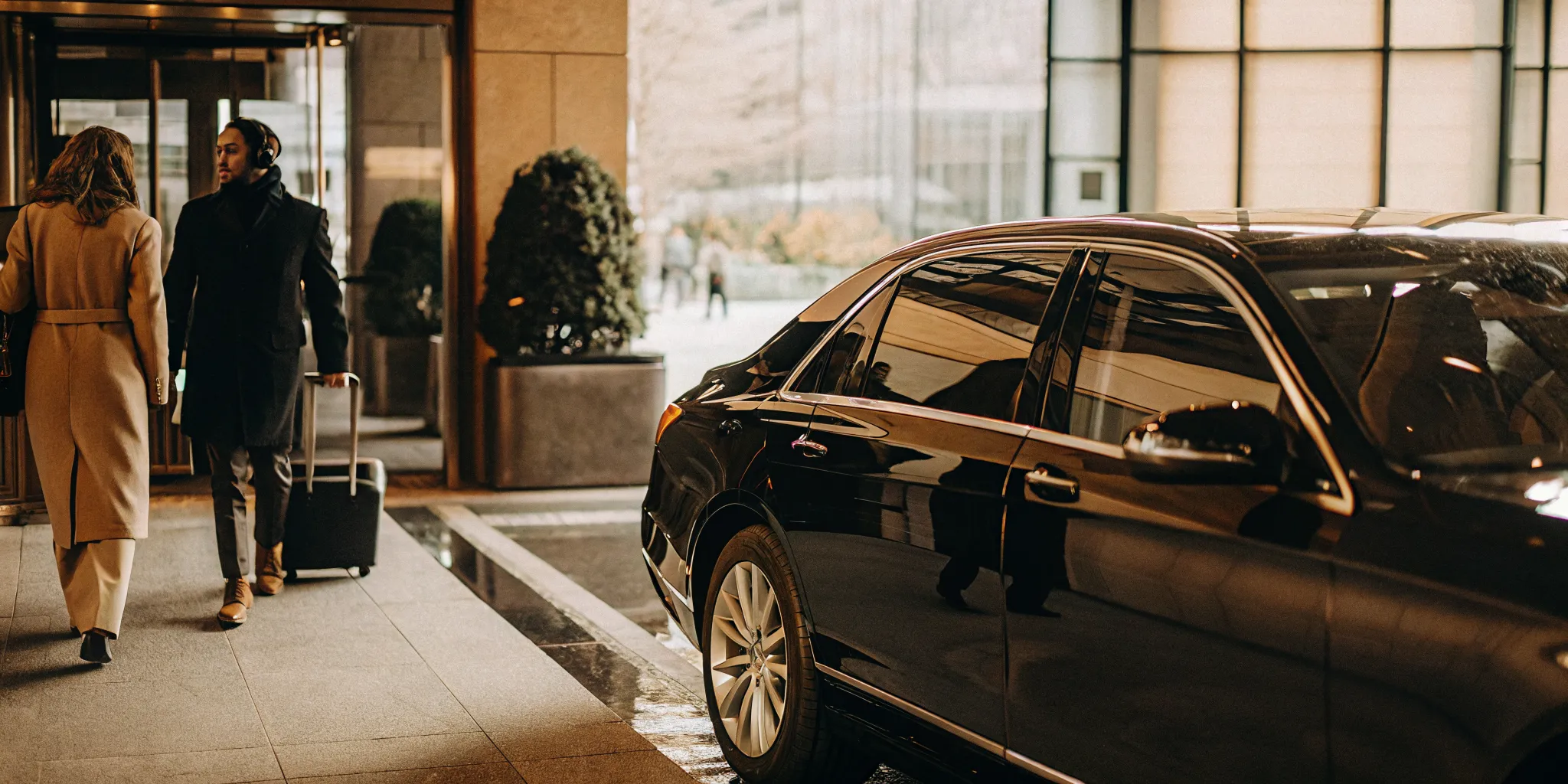
A multi city Formula 1 trip succeeds when each handoff works as one connected plan. Flights, drivers, hotels, dining, luggage, and race access must follow the same live itinerary. One accountable operations lead should oversee the full journey, rather than leaving guests to coordinate separate suppliers.
Host races can draw international visitors and major media attention, as Michigan State University explains. That activity can make race-week movement more complex. The plan should protect each critical transfer with realistic timing, confirmed contacts, and a clear backup.
Plan every city-to-city transition
Choose private aviation or premium commercial service based on the route, group size, schedule, and airport access. Then map the entire transfer beyond the flight itself. Include hotel departure, terminal support, arrival pickup, luggage handling, and the next confirmed commitment.
Build margin around customs, traffic, and late arrivals without wasting a guest’s day. A driver should have the flight details, guest names, luggage count, destination, and alternate contact. This level of detail is central to designing a multi-destination race journey, especially for corporate groups.
Separate race-day timing from ordinary transport
Race-day ground transport needs its own operating plan. Road closures, controlled access zones, and crowded pickup points can change the best route. Confirm vehicle passes, driver credentials, drop-off locations, walking distance, and pickup instructions before guests leave the hotel.
- Assign each vehicle to named guests and provide the driver’s direct number.
- Share a simple meeting point with a map pin and one backup location.
- Stage return vehicles early and confirm the post-race destination in advance.
- Keep dining bookings flexible when race sessions or transfers run late.
Luggage should move on a separate track when needed. Guests may go straight from an airport to hospitality, while bags continue to the hotel. Labeling, custody checks, and delivery confirmation keep personal items from becoming an avoidable distraction.
Keep guests informed and contingencies ready
Guest communications should be brief, timely, and easy to act on. Send one daily message with departure time, dress guidance, credentials, meeting points, and the lead contact. Updates should state what changed, what guests need to do, and when the next message will arrive.
The operations lead should also maintain a private contingency plan. It may include alternate flights, standby vehicles, backup dining options, duplicate credential records, and local emergency contacts. Boutique support offers the flexibility to adjust the plan while keeping the guest experience calm.
This single-lead model creates clear ownership across cities and suppliers. Guests do not need to decide whom to call or repeat details after a delay. For destination-specific context, the guide to logistics for multi-destination race weekends shows how local planning supports a smooth race experience.
What changes when the trip is for a corporate group?
Stakeholder goals and guest preferences
A corporate multi city Formula 1 trip starts with a clear purpose, not a race calendar. Leaders should agree whether the trip will reward employees, host clients, build relationships, or support a launch. Grand Prix events can attract international visitors and broad media attention, which can support a hosted program’s business setting.
The guest list rarely shares one set of interests. Some guests want deep race access, while others care more about dining, culture, wellness, or time to meet. A balanced itinerary gives each person useful choices without splitting the group at every turn.
Approval is easier when the plan ties each major choice to purpose. State why a hospitality level, hotel location, transfer plan, or private dinner serves the group. This guide to multi-city Formula 1 trip planning offers a wider framework for aligning an executive program with race-week logistics.
Governance, privacy, and duty of care
Set one client-side decision maker and a short approval path before bookings begin. Confirm who can approve itinerary changes, guest additions, and budget shifts. Keep a decision log so late requests do not create confusion across cities.
Budget planning should show priorities, tradeoffs, and what is included, without forcing every guest into the same experience. Separate core group needs from optional upgrades. This makes approvals clearer and protects the moments that matter most to the host.
Duty of care extends through every transfer, venue entry, hotel stay, and hosted event. Collect only the guest details needed for delivery. Limit who can view rooming lists and travel records. Share sensitive details through a secure process, not a broad email chain.
Communication and success measures
Corporate guests need clear updates that answer three questions: where to be, when to arrive, and whom to contact. Send a master schedule before departure, then use brief daily notes for live changes. Name one contact for guests and another for the host team.
Measure success against the original purpose. Useful signs may include attendance, guest feedback, hosted talks, follow-ups, and how smoothly the group moved between cities. For an incentive trip, ask whether guests felt recognized and whether the experience strengthened team ties.
A post-trip review should capture what worked, where guests needed more choice, and which logistics caused avoidable friction. Those findings make the next hosted race program sharper. They also show stakeholders how thoughtful planning supported the group’s goals.
Frequently Asked Questions
How do I plan a multi-city Formula 1 trip?
Start by pairing two races with practical flight connections and enough recovery time between weekends. Secure premium hospitality and preferred hotels before arranging flights, private transfers, dining, and activities. For a corporate group, also confirm guest names, rooming needs, dietary requirements, and hosting goals early. Keep one coordinator responsible for every reservation and schedule change across both cities.
What is the best way to combine two Grand Prix weekends into one trip?
Choose races that fall close together on the calendar and offer a sensible travel route. Allow several open days between events rather than moving directly from one race weekend to the next. Use those days for rest, private experiences, or business meetings. A single itinerary should coordinate hospitality access, hotels, flights, ground transportation, dining, and guest support across both destinations.
How much does a multi-city Formula 1 trip cost?
The total depends on the races, group size, hotel category, hospitality level, flights, transfers, and private experiences. Race-week demand can raise luxury hotel costs. For example, Mexico City recorded a 12% rise in four- and five-star hotel occupancy during its Grand Prix, according to GlobalEDGE. Build a detailed budget after choosing destinations and access levels.
Can I book an official multi-city Formula 1 travel package?
Official ticket and travel packages are commonly offered for individual Grand Prix weekends, but a two-race itinerary may require custom planning. Confirm that every ticket and hospitality product comes through an authorized source. Then combine those products with flights, hotels, private transfers, dining, and activities under one coordinated schedule. This approach gives groups consistent support without limiting the trip to a standard package.
Ready to Plan Two Grand Prix Weekends as One?
Request your bespoke multi city Formula 1 trip itinerary.
Waiting too long can narrow your choices for preferred hotels, race hospitality, private transfers, and the most practical route between two host cities. Starting now gives your travel designer time to align both weekends around your group’s priorities, pace, guest expectations, and preferred service level. A single coordinated itinerary also reduces the risk of fragmented bookings, missed connections, and avoidable stress for hosts and travelers alike.
Ready to make two Grand Prix weekends feel like one well-managed journey? Share your preferred races, group size, and travel priorities, then let an experienced team shape the sequence around them. Request a bespoke multi-city Formula 1 itinerary to begin planning your route, stays, hospitality, transfers, and details that keep every guest on schedule.