Formula E VIP packages are not one standard ticket. A buyer is choosing a city, a viewing spot, hospitality hours, and the travel that sits around a short electric race. For the 2026/27 season, the ABB FIA Formula E World Championship lists 21 rounds across 13 events, from a Jeddah night double-header to new stops in Austin, Zandvoort, and Brands Hatch.
Talk through a race-weekend plan
What do Formula E VIP packages actually cover?
Start with the event, not the tier name. Formula E is a city-and-circuit series. Some rounds use a street layout for one weekend. Others stay on a permanent track. A package that sounds similar can mean a very different day once the venue changes.
The official 2026/27 calendar is the right anchor. It opens with night races at the Jeddah Corniche Circuit on 18 and 19 December 2026. It then moves to Mexico City on 16 January 2027, Circuit of The Americas in Austin on 6 February, and the Miami International Autodrome on 20 February. Later rounds include Monaco, Berlin, London at Brands Hatch, and a Tokyo street circuit. Confirm the live calendar before you invite guests, because dates can move.
A useful package comparison answers five questions in writing:
- Where do guests watch? Grandstand, suite, lounge, or a shared hospitality area.
- Which sessions are included? Practice, qualifying, one race, or both days of a double-header.
- What hospitality is confirmed? Hours, food and drink, and whether a private area is part of the offer.
- What travel is separate? Hotel, airport transfer, and local movement on event day.
- What is still pending? Final entry notes, meeting points, and any item that depends on the promoter.
Superior Executive Services plans luxury sports travel and hosted events. This guide is a comparison tool. It is not a claim that a named Formula E package is already on sale. Ask for the current offer for the city and dates you have in mind.
Price is the last column, not the first. A lower quote that covers one lounge session can cost more once you add hotels and cars for a double-header. A higher quote that includes both race days and a reserved view can be the simpler buy. Compare the full guest day, then the rate.
How is a Formula E weekend different from Formula 1?
Do not copy a Formula 1 plan onto Formula E. The series, cars, and access products are different. Formula 1 paddock names and garage tours do not transfer. If you want that product, read the separate Formula 1 travel packages and keep the two decisions apart.
Formula E’s own rules page describes a race day built around practice, a split-group qualifying session, and an E-Prix. Qualifying puts drivers into two groups, then a set of duels, ending in one final for pole. Races use a standing start. Cars roll from a dummy grid into their true grid spots before the lights go out.
For the 2026/27 GEN4 era, Formula E describes two race shapes. A standard E-Prix is about 45 minutes and includes a mandatory PIT BOOST stop. PIT BOOST is a short pit-lane energy boost, and each team has one rig, so cars cannot stack two-wide in the same stop window. ATTACK MODE adds a burst of power after a driver leaves the racing line and passes through an activation zone. A shorter E-Prix Unleashed sprint, about 30 minutes, is the other format on some double-header weekends.
That format changes what a host should buy. A single-race Saturday is a different guest day from a Friday-to-Sunday double-header. Two qualifying sessions and two races mean more time on site, more walking, and a clearer need for a base where the group can regroup.
Guests do not need a full rules briefing. They do need an honest clock. Free practice is for the teams and does not award points. Qualifying is short, public, and often the best time to see cars at full push. The race itself is measured in minutes, not hours. A hospitality area that opens only for the race can feel abrupt if people arrived expecting a long lunch. Ask when the doors open and when they close.
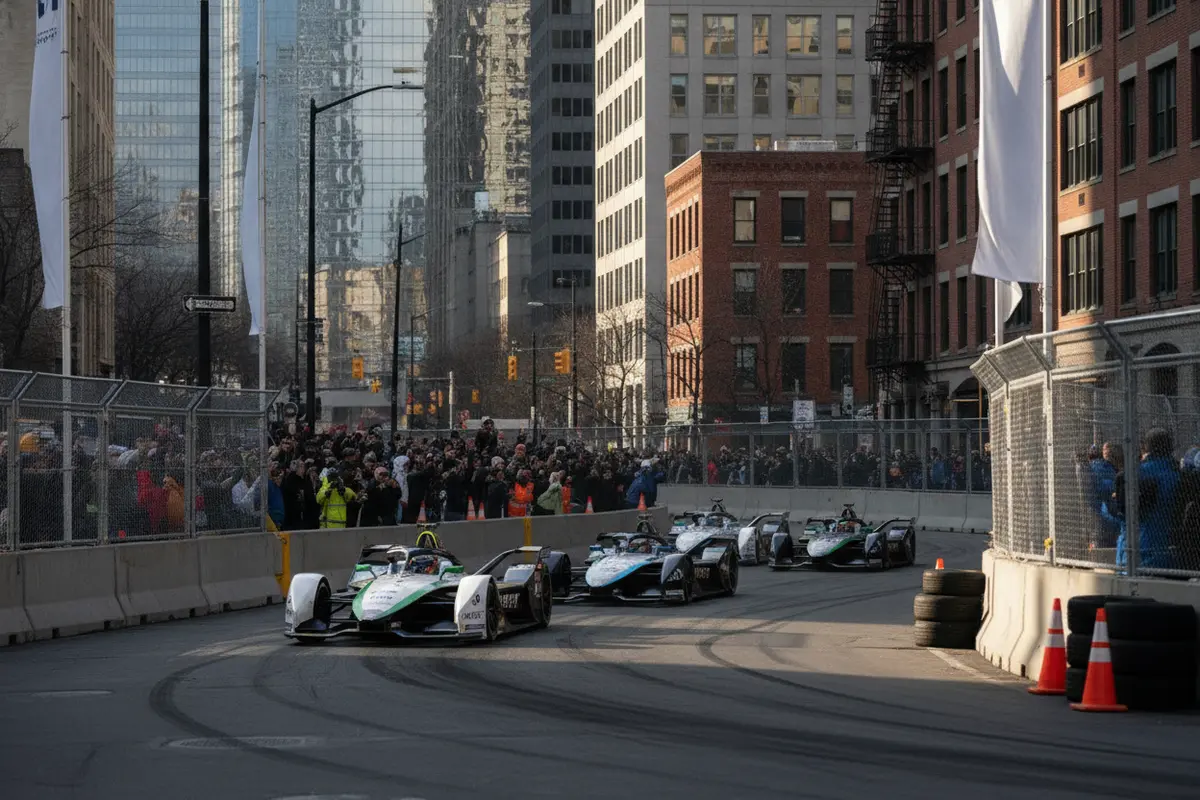
Which 2026/27 venues change the plan?
The venue is the package. A street race, a stadium site, and a permanent circuit do not share the same arrival pattern. Use the official round, then ask how guests reach the entrance that matches their tickets.
| Round and date | Venue | What a host should check |
|---|---|---|
| Jeddah, 18-19 Dec 2026 | Jeddah Corniche Circuit, night double-header | Late finish, floodlit sessions, and how guests leave after dark. |
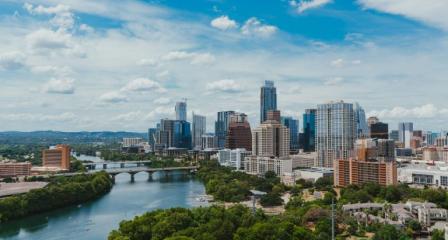
| Austin, 6 Feb 2027 | Circuit of The Americas, new for Formula E | A large permanent circuit, not a downtown street closure. Transfers matter. |
| Miami, 20 Feb 2027 | Miami International Autodrome | Stadium-area access, parking limits, and whether the group stays nearby. |
| Monaco, 1-2 May 2027 | Circuit de Monaco, double-header | Walking distances, road closures, and a long-term Monaco agreement through 2031. |
| London, 29-30 May 2027 | Brands Hatch, double-header | A permanent circuit outside the city. Hotel location is not a short walk. |
| Tokyo, 24-25 July 2027 | Tokyo Street Circuit, double-header | City transit, language on tickets, and meeting points near a street layout. |
Three details from the official 2026/27 calendar are easy to miss. London is at Brands Hatch for this season, not at the ExCeL arena used in earlier years. Monaco moved to 1 and 2 May 2027 and is confirmed on the calendar through 2031. Austin is a first-time Formula E visit, two weeks before Miami.
Those facts should change the short list. A group that wants a walkable city weekend may prefer Monaco, Mexico City, or Tokyo over a circuit that needs a transfer. A group that wants one clean race day may prefer Austin or Miami over a two-day double-header. Neither choice is better until you know why the guests are going.
Mexico City on 16 January 2027 returns to the Autodromo Hermanos Rodriguez, a permanent circuit inside a dense city. Sao Paulo on 13 March uses the Anhembi Sambadrome, a temporary layout rather than a parkland track. Berlin on 8 and 9 May is at Tempelhof, the former airport that has held Formula E since the first season. Shanghai on 10 and 11 July uses the international circuit, then Tokyo closes the published list on 24 and 25 July. Each setting has its own gate, transit, and hotel pattern. Ask for the entrance that matches the tickets, not a generic city pin.
How should you compare hospitality offers?
Put every quote on the same sheet. Premium, lounge, and suite are marketing words until someone lists the hours and the view. Third-party sellers have used names such as Emotion Club, race suites, and an electric lounge. Treat those names as examples of product types, not as proof that the same product exists at every round.
Ask for the same fields on each offer:
- Event name, circuit, and the sessions covered.
- Viewing position, and whether it is reserved, general admission inside a lounge, or a shared suite.
- Hospitality open and close times, plus what food and drink is included.
- Guest count the space can hold, and whether the group can sit together.
- What is excluded: hotel, flights, transfers, and extra sessions.
- Change, cancellation, and guest-name rules.
Then mark each line confirmed, optional, or unanswered. Two offers can both say VIP and still differ on the only point your group cares about. One may cover both days of qualifying and racing. The other may be a Saturday lounge with no reserved seat. The sheet shows that gap before anyone approves a deposit.
For a client event, add one more test. Can the group talk, or only watch? A loud open terrace is a poor fit for a first meeting. A smaller lounge with a clear host contact is often easier, even if the view is less dramatic. Read corporate event hospitality if the trip is mainly a hosted client gathering, then come back to the Formula E specifics.
Also ask who issues the ticket. Some rounds sell direct through the promoter. Others move through a hospitality partner. The name on the confirmation should match the event you requested. If a seller cannot name the round, the entrance, and the sessions, keep looking. A polished brochure is not a booking.
What should you plan before you request dates?
Work in order. A date request that skips the guest profile usually comes back with the wrong product.
- Pick the round. Choose the city, circuit, and whether you need one race day or a double-header.
- Write the guest profile. Count people, note arrival windows, and list access or dietary needs.
- Separate viewing from hospitality. Decide if a seat, a lounge, or a private area is the priority.
- Map the journey. Airport or station, hotel area, event entrance, and the walk or transfer between them.
- List open items. Name who will confirm each one, and the date you will check again.
- Send a short brief. Include the round, headcount, purpose, and the items that must be in writing.
Keep the brief short. “Twelve guests, Miami, 20 February 2027, client hosting, need a shared lounge and a hotel near the venue” is more useful than a vague request for the best package. You can compare sports formats more broadly on sports travel packages, but do not let that page set Formula E expectations.
Build slack into the day. Street circuits often use temporary gates and changed bus routes. A permanent circuit such as COTA or Brands Hatch can mean a longer transfer than the map suggests. Do not book a flight that leaves an hour after the scheduled finish. A 45-minute race plus track exit, walking, and traffic is not a one-hour departure.
Share the brief with every approver before anyone pays a deposit. Finance, the host, and the person booking travel should see the same inclusions list. If one person thinks the hotel is included and another does not, the quote is not ready. Write the exclusions in the same email as the price.
How do you brief guests without overpromising?
Send one note they can scan. Put the event, meeting point, session times you have confirmed, and a host phone number at the top. Label anything still pending. Do not promise a driver appearance, a paddock walk, or a garage visit unless that item is written into the offer for that round.
Dress is usually smart casual in hospitality areas, but the venue can set its own rule. Ask before you tell guests what to wear. The same check applies to step-free routes and dietary service. A provider can often arrange both. They are not included until the confirmation says so.
On the day, pick one person to send updates. If a gate changes, that person sends the new instruction and nothing else. A long chain of old messages is how groups miss each other at a street circuit.
Before invitations go out, read the plan as a guest. Where do I go, which ticket gets me in, and who do I call if I am late? If those three answers are clear, the weekend is ready to book. Browse current event options for other hosted sports, then keep this Formula E brief tied to the round you chose.
Request a race-weekend conversation
Frequently asked questions about Formula E VIP packages
Do Formula E VIP packages include Formula 1-style paddock access?
No. Formula E uses its own venues, tickets, and hospitality products. Confirm the areas and sessions for that E-Prix. Do not assume a paddock club, garage tour, or Formula 1 access name is included.
Are hotels and transfers included?
Only if the written offer says so. Many hospitality tickets cover a lounge or suite and leave the hotel and local transfer to the guest. Ask which pieces are included before you compare prices.
What is the difference between a single race and a double-header?
A single round is one race day. A double-header, such as Jeddah or Monaco on the 2026/27 calendar, has two races and two qualifying sessions. The second format needs more time on site and a plan for both days.
When should I start comparing packages?
Start when you know the round and a rough headcount. Official dates are public now for 2026/27, but hospitality products and entry notes are confirmed closer to the event. Recheck the calendar before you send final guest instructions.
A good Formula E plan names the round, the viewing and hospitality that are confirmed, and the travel that is still open. Everything else can wait until those three are in writing.