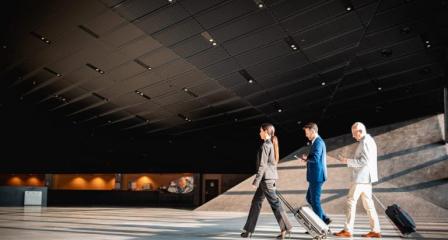
The room you choose can determine whether clients connect or simply attend. A suite protects focused conversation; a club keeps the evening moving and opens the door to broader connections.
Private suite vs VIP hospitality club is a choice between controlled privacy and shared energy. A private suite gives your invited group an enclosed setting, attentive service, and room for focused conversations. MetLife Stadium notes that its suites range from 12 to 30 guests and combine that scale with personalized service. A VIP hospitality club usually favors movement, shared food and beverage areas, premium seating, and informal networking beyond your own guest list. Both formats can impress clients, but they create different rhythms for arrivals, introductions, event viewing, and follow-up throughout the evening. Choose the suite for a smaller group, sensitive conversations, or a carefully paced host plan; choose the club when lively, flexible mingling fits your goal.
The practical question is which format fits your guest list, relationship goal, and preferred hosting style. Next, Private suite vs VIP hospitality club: Quick comparison puts those differences side by side, so your decision starts with the factors that matter most at the venue. Here’s how.
Private suite vs VIP hospitality club: Quick comparison
The short answer
The better format depends on the outcome you want. A private suite favors focused hosting with a known guest list. A VIP hospitality club favors a more social setting where guests can move, mingle, and take in the event energy.
This distinction matters because premium hospitality is not just about the view. Boston University’s hospitality summit description connects sports and entertainment hospitality with networking and memorable fan experiences. Your choice should support the type of interaction your guest list needs.
Side-by-side view
Use this table as a planning baseline, not a promise of venue features. Access rules, layouts, food service, and included perks vary by event and package.
| Decision factor. | Private suite. | VIP hospitality club. |
|---|---|---|
| Privacy. | More controlled setting for an invited group. | Shared premium space with less separation. |
| Networking. | Focused time with selected guests. | Broader social contact and mingling. |
| Guest flow. | Guests return to a defined home base. | Guests move through shared lounge areas. |
| Atmosphere. | More contained and conversation-led. | More social and tied to crowd energy. |
| Service expectations. | Often more personal, but package details vary. | Often shared service points, but inclusions vary. |
| Best fit. | Key relationships and a curated guest list. | Flexible hosting and a social guest experience. |
Questions before you choose
Start with the business purpose. If the day is built around a few priority relationships, a suite can create a steadier home base. If guests value movement and a livelier shared setting, a club may fit better.
Then confirm the actual package. Some venue suite products list a private attendant, a wet bar, and private restrooms. The Mercedes-Benz Stadium suite details show one example. Those features should never be assumed across venues.
Your guest list should shape the final call. The broader corporate event hospitality guide can help frame the venue choice alongside timing, hosting goals, and event logistics.
When does a private suite make sense for corporate entertaining?
A private suite makes sense when the guest list is focused and the host wants a calm home base. The event still supplies energy, but the room gives the group a place to return between key moments. That balance can help when the goal is to strengthen a small set of important relationships.
A setting for focused conversation
Choose a suite when guests need room for longer conversations, thoughtful introductions, and natural pauses. It works well for current clients, prospective partners, or leadership teams who already share a reason to spend time together. The format is less about holding a formal meeting and more about making conversation easier.
Some venue suites are built for smaller groups. For example, MetLife Stadium describes suites for 12 to 30 guests with personalized service. Capacity and layout vary by event, so the guest list should guide the choice. A host can compare options while choosing the right venue type for the occasion.
Control over pace and guest flow
A suite can also make hosting easier to manage. Guests have a shared point of return, which helps the host keep introductions moving without forcing a fixed agenda. Conversations can shift in small groups as the event unfolds. That pace suits relationship-building because people can talk, watch, and reconnect throughout the day.
Consider a private suite when the host wants to:
- Keep a select guest list together without making the event feel rigid.
- Create space for a sensitive or detailed conversation.
- Set a steadier pace for senior guests or clients.
- Move between event action, introductions, and follow-up conversations.
- Give the group one clear place to gather.
The wider hospitality field also treats premium event design as more than seating. Boston University’s Hospitality Leadership Summit links sports and entertainment experiences with networking and memorable fan experiences. For a corporate host, the practical question is simple: does the guest environment support the conversations that matter? If privacy, continuity, and a measured pace lead the brief, a private suite is often the stronger fit.
What does a VIP hospitality club offer corporate guests?
A VIP hospitality club is a shared premium space built for movement, conversation, and the energy of a live event. It is not a closed room. Guests can move between lounge areas, bars, and event views while keeping the gathering informal.
That flow makes a club useful when the goal is broad relationship building rather than a private discussion. The setting gives hosts natural reasons to introduce guests, shift between groups, and let conversations develop without a fixed agenda. Boston University’s hospitality school also connects sports and entertainment fan experiences with networking with hospitality leaders.
The club atmosphere
Compared with a suite, a club usually feels more social and less contained. The shared setting keeps guests close to the crowd while giving them a premium place to pause and talk. Some venues describe clubs as high-energy destinations with room to move, mingle, and celebrate.
The layout can work well for a mixed guest list. Consider clients who enjoy live-event energy, prospects who benefit from casual introductions, or team members meeting across departments. A club may also suit groups whose guests want freedom to watch the action and circulate at their own pace.
For corporate buyers weighing a private suite vs VIP hospitality club, the key question is how guests should interact. Choose a club when social movement supports the purpose of the invitation. Choose a suite when privacy and a controlled room matter more.
What to confirm before booking
Club access is a format, not a fixed list of perks. Food, beverages, seating, entry points, service, and viewing areas vary by venue and event. For example, some premium clubs pair lounge access with cushioned seats, grab-and-go stations, or full-service bars.
Ask which spaces are shared, where seats are located, and whether guests can move freely during the event. Confirm the menu, beverage service, arrival process, dress guidance, and any access windows. Also ask whether the setting supports conversation at the expected crowd level.
A strong guest list fits the room. A VIP club can create a polished but relaxed experience for people who value atmosphere and informal networking. It is less suited to sensitive talks, formal presentations, or a host who needs every guest gathered in one private space.
How do guest flow and service expectations differ?
Arrival and circulation
Guest flow shapes the tone before the event begins. Some premium areas use VIP entrances and private elevators to reduce congestion for guests. Those features can help a host welcome clients with less friction. Still, confirm the exact route, parking plan, and entry rules for each package.
A private suite creates a clear home base. Guests can arrive, settle in, and return to the same room between key moments. That setup supports a planned welcome, seated talks, and small-group introductions. It also helps the host notice who has arrived and who may need attention.
A VIP hospitality club has a different rhythm. Guests may move between seats, bars, lounge areas, and shared social spaces. One venue describes its club setting as a place with room to move and mingle, supported by an exclusive private elevator. The energy can suit a group that values broad contact over a set agenda.
Service expectations and event pacing
Service should match the host’s purpose, not just the venue label. A suite may offer a dedicated attendant, a private restroom, and a stocked bar. A club may include food, drinks, or in-seat service. Inclusions vary by venue and package, so review them before inviting guests.
The private suite vs VIP hospitality club choice also changes the host’s role. In a suite, the host can guide a deliberate pace: welcome, conversation, event moment, and follow-up. In a club, the host may need to circulate more. A clear meeting point and timing plan help guests reconnect without feeling managed.
Concierge planning helps turn access into a smooth client experience. It can map arrival windows, guest lists, dietary needs, transport, and key introductions before the event. That people-first approach reflects the value of hospitality-led planning. For a broader framework, use this guide to choosing the right venue type.
How should your company choose the right hospitality format?
Decision inputs
The private suite vs VIP hospitality club choice starts with your hosting goal. A suite may fit a focused client conversation, while a club may suit guests who value movement and a social setting.
Keep the guest experience at the center of the decision. Boston University’s School of Hospitality Administration describes a people-first, hospitality-led approach as a foundation for strong hospitality. That lens helps teams avoid choosing a format based on access alone.
A six-step selection process
Use a short decision process before requesting event-specific options. It gives your team a clear brief and helps match the setting to the people in the room.
- Set the objective. Decide whether the event should support a private discussion, deepen a client relationship, reward a team, or bring several guests together.
- Map the guest profile. Note the guest count, roles, interests, mobility needs, and preferred pace. A small executive group may want more control. A wider mix may welcome a shared setting.
- Define the privacy need. Ask whether guests will discuss sensitive topics or spend most of the event watching and mingling. If privacy matters, place it near the top of the brief.
- Match the format to the event. Consider the sport, venue layout, event schedule, and expected guest flow. The right answer may differ for a major race, a tournament, or a stadium event.
- List the service requirements. Record needs for food and beverage service, hosted arrival, parking, seating, and on-site support. Also note whether the group needs a more structured or more flexible experience.
- Confirm the live options with Superior. Share the brief before making a choice. Superior can review the event-specific formats and explain how each option fits your guest list and hosting plan.
This process also helps internal teams align before they approve an event plan. For more planning context, use the guide to choosing the right venue type as a companion resource.
Why does the best choice change by event and business goal?
Match the setting to the relationship
The private suite vs VIP hospitality club decision starts with the people you invite and the result you want. A suite gives a focused guest list a home base for longer conversations. A hospitality club adds movement and a more social pace. That can suit a wider mix of clients, partners, and team members.
For a small group of priority clients, privacy may matter more than a lively room. A suite can make introductions easier and give the host time to speak with each guest. It can also help when the event is part of a longer account plan. If the goal is broad contact and natural conversation, a club may be the better fit.
The best plan should still feel like hospitality, not a meeting moved into a stadium. Boston University’s School of Hospitality Administration describes a people-first, hospitality-led approach to fan experiences. That idea matters for client entertainment. The setting should support easy conversation while leaving room to enjoy the event.
Different events, different guest flow
Event format changes the choice. At a stadium race, the host may want one base where guests can gather between key moments. This makes the planning questions in our guide to suite vs club hospitality useful for Indy 500 hosting. At a multi-day golf event, guests may value a relaxed place to reconnect after moving around the course.
The Kentucky Derby creates a different rhythm. Guests may want a polished social setting that fits the occasion, along with a clear plan for arrival and hosting. Our Kentucky Derby experiences page shows why the event itself should guide the hospitality plan. Formula 1 hosting can differ again, since the schedule, venue layout, and guest interests shape the day.
Availability and inclusions vary by venue, event, and package. Do not assume that the same label means the same experience everywhere. Confirm the guest capacity, access windows, seating, food and beverage plan, entry process, parking, and service level before booking. Then weigh those details against the business goal: focused relationship building, broader networking, client retention, or a memorable reward for a team.
A clear guest strategy comes first. The venue type follows. When the event and the goal both support the choice, the experience feels natural rather than over-planned.
How does tailored planning improve the corporate experience?
The private suite vs VIP hospitality club decision is not just about the space. It is about the guests, the purpose, and the tone a host wants to set. An experienced hospitality partner starts with those details, then helps shape an event around them.
This approach matters because premium hosting is still people-centered. A Boston University hospitality summit described a people-first, hospitality-led approach as the basis for strong guest experiences. For a corporate host, that means planning beyond the venue name or access level.
Planning around the guest list
A useful plan begins with the people in the room. A host may want quiet time with a small group of key clients. Another may want a more social setting where guests can move, meet, and follow the energy of the event.
The right questions come before the recommendation. Who is attending? Which relationships need focused time? Will guests value privacy, a lively shared setting, or room to move between conversations? These details make choosing the right venue type a business decision rather than a simple upgrade.
Guest flow also deserves attention. Arrival plans, meeting points, seating needs, and the pace of the day affect how the experience feels. These details can be important when senior leaders, valued clients, or several guest groups are involved.
Planning should also reflect the host’s priorities. One gathering may focus on a few long-term relationships. Another may call for a setting that supports introductions across a broader guest list. The venue format should serve that purpose without making the experience feel forced.
Event-specific confirmation and support
Premium spaces are not identical from one venue or event to the next. A suite at one event may not mirror a club at another. The planning process should confirm the exact setting, access details, and relevant guest needs for that event before expectations are set.
Event-specific confirmation keeps the host’s plan grounded in what has been arranged. It also gives the host a better way to prepare guests before the day begins. Clear expectations can reduce avoidable questions and help the group settle into the experience.
That is where white-glove support adds value. It gives the host a clear point of contact and a plan built around the occasion. It also helps keep the focus on the relationships in the room, not on piecing together details during the event.
Superior Executive Services takes a consultative approach to corporate event hospitality. The goal is not to force every gathering into the same format. It is to align the space, guest priorities, and level of support with the result the host wants to create.
Frequently Asked Questions
What is the difference between a private suite and a VIP hospitality club?
A private suite gives one hosted group an enclosed setting, while a VIP hospitality club is usually a shared premium space. Suites suit focused conversations and a controlled guest list. Clubs suit a more social atmosphere where guests can move, mingle, and watch the event. For example, Mercedes-Benz Stadium describes one lounge as a high-energy destination with room to mingle.
What amenities are typically included in a private suite vs. a VIP club?
Private suite amenities often include personalized service, a dedicated attendant, a stocked bar, and private restrooms. VIP club packages may include premium seating, shared lounge areas, bars, food service, and in-seat service. Specific inclusions vary by venue and event. The Mercedes-Benz Stadium premium options show how service details can differ across suites and club areas.
How does the privacy level compare between a private suite and a VIP club section?
A private suite generally offers greater control over conversations because the hosted group has its own space. A VIP club section is still premium, but guests may share lounges, bars, or circulation areas with other groups. For sensitive discussions or a more formal client program, a suite is often the better fit. For broader social interaction, a club can work well.
Can a private suite justify a higher investment than a shared hospitality club?
A private suite can justify a higher investment when privacy, tailored service, and focused relationship building are central to the event. A shared VIP club may be the better value when the goal is a lively atmosphere and flexible guest movement. Capacity also matters. MetLife Stadium states that its suites range from 12 to 30 guests, so buyers should confirm the fit before booking.
Can companies buy VIP hospitality without a long-term membership?
Companies can often purchase VIP hospitality without making a long-term commitment, although availability varies by venue and event. SPORTFIVE notes that VIP tickets and hospitality packages can be purchased by anyone. Some venues also offer year-round premium memberships. Ask whether the proposal covers a single event, a series, or ongoing access before comparing options.
Ready to choose the right hospitality format?
Waiting too long can narrow your premium event options and leave less time to shape a smooth guest experience. Starting now gives your team room to align the setting with guest priorities, relationship goals, and the desired pace of the day. Early planning also helps you select a format that supports private conversations, relaxed networking, or a careful balance of both.
Ready to plan a more intentional event? Contact Superior Executive Services to speak with Superior Executive Services about tailored corporate hospitality options for your next premium sporting event. Request a conversation now, while there is time to define the guest list, compare formats, and prepare an experience that reflects your priorities. Your team can then move forward with a clear plan for hosting valued clients.