Glastonbury VIP packages can mean very different things depending on who is selling them and what the arrangement actually covers. For a corporate host or a traveler planning a special trip, the right decision is not simply whether a package sounds premium. It is whether the access, accommodation, transport, support, and guest experience fit the people attending and the realities of a large outdoor festival.
Discuss a tailored festival experience
What does VIP mean when you are comparing Glastonbury packages?
Start by treating the word VIP as a description, not a list of guaranteed benefits. A seller may use it to describe a travel service, premium lodging, hosted event access, transportation coordination, or a combination. The label alone does not tell you whether admission is included, where you will stay, how you will travel to the site, or what support is available once you arrive.
Ask the provider to name each component plainly. Separate the festival admission or access element from accommodation, ground transport, meals, concierge assistance, and any hosted gathering. If an item is not expressly listed in the written proposal, do not assume it is part of the arrangement.
Also establish who is responsible for each part. One company may coordinate a full trip while a separate supplier handles accommodation or another component. That can work well, but you need to know who will answer questions, resolve changes, and help the group understand its itinerary. A clear package is more useful than an impressive label.
Which Glastonbury experience are you actually buying?
Before comparing quotes, define what your group means by a better experience. Some guests care most about the music and want to spend the majority of their time exploring performances. Others place more value on a comfortable place to return to, convenient transfers, a calm arrival, or having one person coordinate the moving parts. A corporate host may also need a setting that makes conversation possible without turning the trip into a schedule of formal meetings.
Write down the primary outcome in one sentence. For example: We want a relaxed music-focused trip for a small group of clients, with accommodation and transport planned in advance. That sentence helps providers recommend a suitable scope instead of sending a generic list of upgrades.
Then agree on the group’s non-negotiables and preferences. Non-negotiables might include a particular accommodation standard, a clear route from arrival point to lodging, or support for guests who have not attended a large festival before. Preferences might include a certain balance of free time and hosted plans. Keep these categories separate so a useful preference does not become mistaken for a condition of the trip.
- For client entertainment: decide how many guests you expect, who will host, and how much time should be unstructured.
- For an incentive trip: consider whether attendees have similar travel needs and whether the itinerary gives them room to choose their own pace.
- For a personal celebration: identify the comfort, access, or service details that will make the occasion feel distinctive to your group.
For context on how a hosted event can serve a business relationship, see the overview of corporate event hospitality. Glastonbury is its own kind of event, so use that as a planning lens rather than assuming a standard stadium format applies.
How should you compare access, accommodation, and support?
Compare the pieces independently before deciding whether they work together. A polished accommodation option cannot compensate for unclear admission details. Likewise, an access feature may not be valuable to your group if getting to and from the festival is still left entirely to each guest.
| Package element | What to confirm | Why it matters |
|---|---|---|
| Festival admission or access | What is included, how it is issued, and any limits or conditions | Prevents confusion about what the package does and does not authorize |
| Accommodation | Exact lodging type, location, room arrangement, and included nights | Lets guests judge comfort and practical distance for themselves |
| Transport | Which journeys are coordinated, departure points, timing, and who operates them | Reveals whether travel between key points is planned or left to the group |
| On-trip support | Contact method, hours of availability, and what help is within scope | Sets realistic expectations if plans change or a guest needs assistance |
| Meals and hosted moments | Specific meals, reservations, gatherings, and any exclusions | Shows whether the itinerary supports the way your group wants to spend time |
| Commercial terms | Payment schedule, cancellation terms, change process, and quote validity | Helps the buyer assess financial and planning risk before commitment |
Ask for specifics rather than relying on phrases such as premium access, exclusive experience, or full service. What does access mean in practical terms? Is lodging shared or private? Are transfers scheduled for the group or arranged individually? Is a named point of contact available during the trip, and what can that person actually coordinate?
Do not assume the same inclusion applies to every guest. Check whether the proposed arrangement is based on twin occupancy, single occupancy, a minimum group size, or another condition. If there are different room types or arrival dates, request a clear breakdown so you can compare like with like.
What should you know about the festival setting?
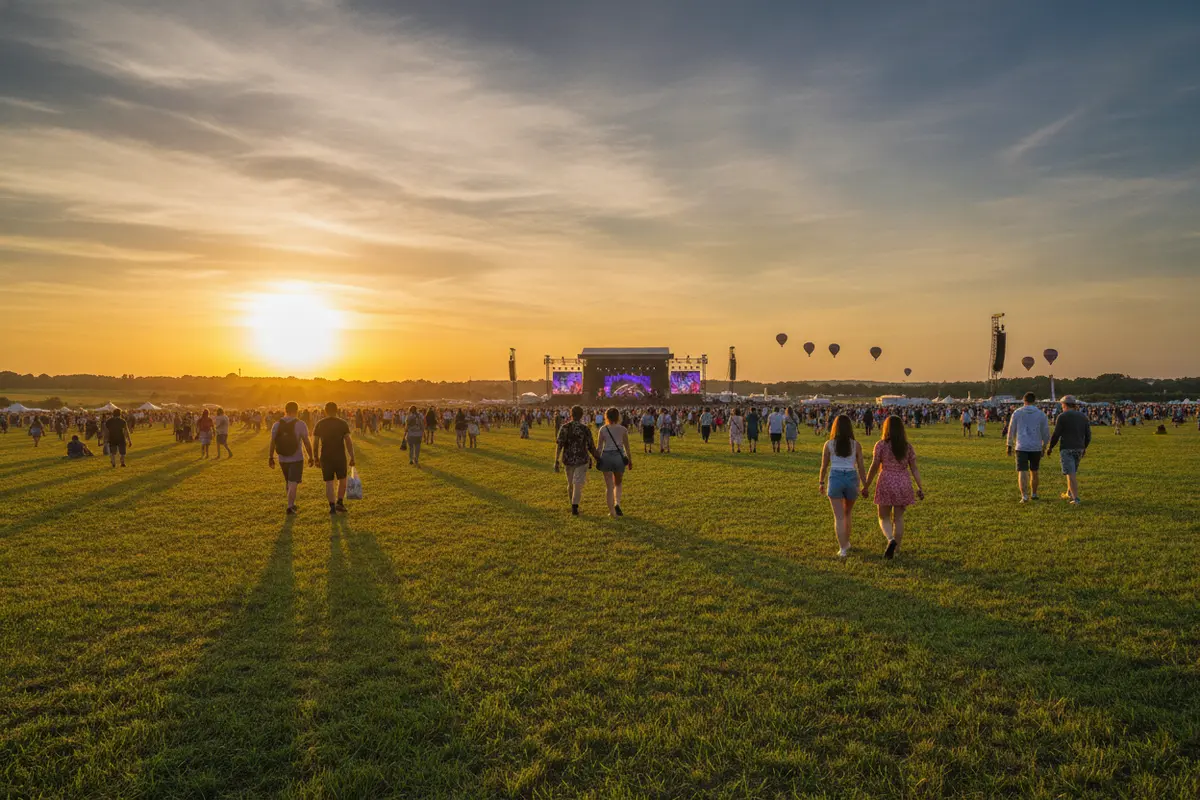
A large outdoor music festival calls for different planning than a seated performance in a city venue. Guests may spend long periods outdoors, move between stages and activities, and need to coordinate around a changing schedule. The travel plan should reflect the actual experience your group wants, not an assumption that every hour will follow a fixed itinerary. To see the range of festival-focused planning, browse the page about VIP music festival packages; use a specific proposal to confirm the details for your event.
Talk through the practicalities in advance. Ask how guests will receive their travel information, what they should carry with them, where a group can regroup, and how the provider will communicate any logistical updates. Confirm which responsibilities remain with each traveler. This makes the trip easier to understand without promising that every variable can be controlled.
It is also worth being direct about comfort. Guests may have different expectations about sleeping arrangements, personal space, walking, weather, and time away from the main festival activity. A candid conversation helps the host choose a format that suits the group rather than discovering mismatched expectations after travel is underway.
When lodging is a major part of the decision, use a separate accommodation checklist as well as the event proposal. This guide to choosing a luxury hotel can help frame questions about the stay, while a Glastonbury proposal should make its own accommodation type and terms explicit.
How can corporate hosts make the trip feel personal?
For a business group, a successful festival trip is not measured by the number of upgrades. It depends on whether guests feel considered and whether the host can be present instead of spending the event solving preventable logistics. Start with a guest list and a simple note on what each attendee needs to know before agreeing to travel.
Make the invitation clear about the purpose of the experience, the expected level of activity, the travel dates, and what is still being finalized. Do not describe a proposal as confirmed until the relevant components have been confirmed. If you are inviting clients, offer a private way to share dietary, mobility, rooming, or scheduling needs.
Plan a few intentional moments, but leave breathing room. A welcome gathering or a group meal can give people a natural way to connect. Too many fixed appointments can pull guests away from the festival and make the experience feel like a work itinerary. Ask the group what balance they prefer before finalizing the schedule.
Also decide who will make routine decisions during the trip. A designated host can help answer group questions, while a travel coordinator can handle the parts within their agreed scope. These roles should be clear. Event logistics are not the same as medical, security, or protective services, so do not expect a travel or hospitality provider to perform work outside its stated remit.
How do you assess a provider and the proposal?
Look for a proposal that answers your questions in writing and separates confirmed details from options that still depend on availability. A polished presentation is useful, but clarity is more important. The document should let you explain the offer to a colleague or guest without needing to interpret vague phrases.
Check whether the provider describes its role in coordinating the experience, how communication works before departure, and who will be your point of contact. Ask how changes are handled and which suppliers or parts of the itinerary are outside the provider’s direct control. You are not looking for a promise that nothing will change. You are looking for a practical explanation of how the plan is managed.
For formal procurement, a government-issued request-for-proposals checklist illustrates the value of organizing proposal requirements and response details. For your festival plan, use that same habit to keep inclusions, exclusions, assumptions, and open questions easy to review.
Use references or testimonials as context, not as a substitute for written terms. A collection of guest feedback may help you understand the service style, but the proposal should still specify your group’s inclusions, responsibilities, and cancellation or change terms.
If a key detail is not confirmed, ask what must happen next and by when. Clarify whether the quote can change if group size, room mix, travel dates, or requested components change. The aim is not to negotiate every detail before understanding the offer. It is to identify what is fixed, what remains provisional, and what decision is needed from you.
What questions should you ask before you request a quote?
A focused brief makes it easier to receive a useful response. You do not need to know every detail at the outset. Share what you know, flag what is undecided, and ask the provider to identify the most important choices still ahead.
- Who is traveling? Give the estimated group size, guest profile, and whether the trip is for clients, colleagues, friends, or family.
- What is the purpose? Describe the occasion and the experience you want guests to remember.
- What are the travel dates and starting points? Share confirmed dates where possible and note any flexibility.
- Which elements matter most? Rank access, lodging, transfers, dedicated coordination, hosted time, and flexibility.
- What needs should the plan account for? Mention rooming, dietary, mobility, or schedule considerations in the appropriate private conversation.
- What level of service are you seeking? Say whether you want help with selected pieces or a coordinated trip from planning through the event.
- What does the proposal need to clarify? Request written inclusions, exclusions, assumptions, payment terms, change conditions, and the next decision date.
These questions are more useful than asking only for the cheapest or most exclusive option. They give the provider enough context to shape a response around your real priorities, and they give you a fair basis for comparing alternatives.
How can you check the itinerary before committing?
Read the proposed itinerary as a guest would experience it, not only as a list of services. Look at the sequence from arrival through departure. Is it clear when the group is expected to travel, where guests will meet, and which parts of the schedule are optional? If there are gaps, ask whether they are intentional free time or simply details that have not been arranged.
Request a sample day or a simple schedule when timing is central to the offer. It does not need to dictate every hour. It should make the important transitions understandable: arrival at the lodging, travel toward the festival, any agreed group meeting, and the return plan. If departure times depend on changing conditions, ask how updates will be shared and who is responsible for checking them.
Then compare the proposal against the way your guests are likely to use the experience. A plan that assumes everyone arrives together may not suit a group with staggered travel. A single group transfer may be convenient for some guests but restrictive for others. These are not automatic reasons to reject a proposal. They are prompts to discuss alternatives and make the trade-offs visible before a decision.
Use a short review sequence so the important questions do not get lost in a long email thread:
- Mark every item as confirmed, proposed, or still unknown.
- Circle any item that affects a guest’s ability to attend or enjoy the trip.
- Ask who owns each unresolved detail and when it can be answered.
- Compare the revised written offer with the original priorities and budget approval process.
- Share a plain-language summary with decision-makers before asking guests to commit.
Keep records of the version you approve and the terms attached to it. If a detail changes, ask for the updated proposal or confirmation in writing. This is especially useful when several people are involved in approvals or when a group decision depends on room configuration, dates, or a minimum number of travelers. Clear documentation helps everyone understand the same arrangement.
Finally, make sure the plan has a reasonable handoff from planning to travel. Guests should know what information they will receive, when they will receive it, and where to direct routine questions. The host should know which decisions remain theirs. The provider should explain what assistance it has agreed to deliver. That shared understanding can reduce avoidable confusion while leaving guests room to enjoy the event on their own terms.
Request a conversation about your Glastonbury plans
Frequently Asked Questions
Are Glastonbury VIP packages the same as ordinary festival tickets?
Not necessarily. A package may combine travel planning, accommodation, transport, or other services, while admission and access terms need to be confirmed separately in writing. Ask the seller to identify the exact item that provides entry and every additional service included.
Does VIP mean there is a private area or backstage access?
Do not infer a particular area or level of access from the word VIP. Ask what the phrase means in the specific proposal, whether the access is confirmed, and what restrictions or conditions apply. A provider should be able to describe the inclusion without relying on broad promotional language.
What should a corporate group compare first?
Begin with the guest experience you want, then compare admission details, lodging, transport, coordination, and the written commercial terms. For a hosted group, also consider whether the plan gives guests enough freedom to enjoy the festival and gives the host a manageable role.
Can a package be tailored to a group’s needs?
Some elements may be adjusted, but the available choices depend on the specific event arrangements, suppliers, group size, and timing. Share your priorities and ask which parts can be customized, which are fixed, and when each detail can be confirmed.
What should I send when asking for a quote?
Include your estimated group size, dates, starting locations, purpose of the trip, preferred accommodation approach, and the services you want help coordinating. Note what is flexible and what is essential. A concise brief gives the provider a strong starting point and helps prevent assumptions.
The strongest Glastonbury VIP package is the one whose confirmed details fit your guests, priorities, and appetite for coordination. Compare the actual experience and terms, not the label, before deciding what to book.