F1 Shanghai tickets can represent very different race-weekend experiences. Before comparing offers, decide whether your group needs a defined place to watch, hosted hospitality, coordinated travel, or a combination. Corporate hosts should be able to explain each guest’s access, schedule, and confirmed inclusions clearly.
Request a tailored F1 Shanghai plan
What should you decide before comparing F1 Shanghai tickets?
Start with the purpose of the outing. A client-hosting day may call for a comfortable setting and time to talk. A group of motorsport fans may care most about track views and time near the action. If guests have different priorities, separate essentials from preferences that can flex.
Write down the basics before asking for proposals:
- Who is attending, and how many guests are you planning for?
- Is the occasion client entertainment, an incentive, or a personal trip?
- What matters most: viewing position, hosted amenities, or convenient logistics?
- Are all guests attending on the same day, or does the plan cover multiple days?
- What travel dates, accommodation expectations, or schedule constraints matter?
- Does anyone need particular access or arrangements that should be confirmed early?
This brief makes comparisons more useful. It also reduces the risk of choosing on a label such as “VIP” without learning what the offer includes. Decide who will approve the plan and what that person needs to see: total group cost, access details, and exclusions can matter as much as the experience description. For an early conversation, use the company’s event travel inquiry page.
How do admission and hospitality differ?
Admission generally means entry to a specified area or seating location. Hospitality describes an experience around the event, which may include a designated setting, food and beverage, or hosted services. Inclusions vary, so use the written package description rather than a category name as the basis for comparison.
| Option | What to confirm | May suit a group when |
|---|---|---|
| Reserved seating | Grandstand or section, seat assignment, event day, and entry terms | Guests want a defined place to watch |
| General admission | Permitted areas, access limits, and whether seating is included | Flexibility matters more than a fixed seat |
| Hospitality | Venue access, service hours, food and beverage, viewing access, and exclusions | Hosting and a managed setting are central |
| Travel-inclusive arrangement | Components arranged, dates covered, and what each traveler books | The group wants event and travel planning considered together |
Do not assume hospitality automatically includes a particular grandstand, unrestricted circuit access, or all-day service. Ask whether the hospitality space is trackside, how guests reach it, and which areas their credentials permit. Review the company’s Formula 1 travel experiences as a starting point for discussing the kind of trip you have in mind.
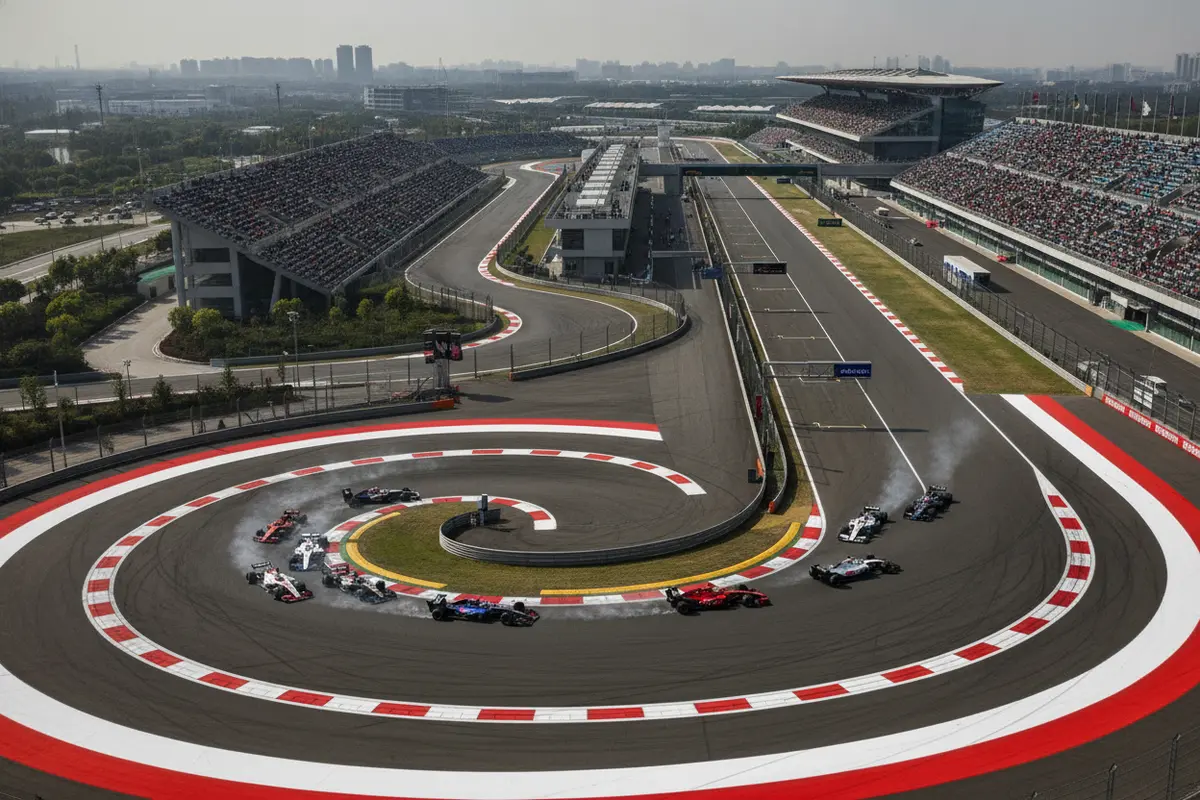
Which viewing details should a proposal spell out?
Viewing quality depends on the precise location and sightlines, not simply the ticket tier. Ask for the named grandstand, section, hospitality venue, or viewing area. If the exact allocation is not confirmed, ask when it will be and what alternatives could be offered. A proposal that identifies only a broad tier leaves an important part of the guest experience unanswered.
For a group, clarify whether seats are together and how allocation works. If the offer includes a suite or shared hospitality space, ask whether it is private or shared, its operating hours, and whether it has a direct track view. Confirm whether the group can remain together throughout the day or whether some elements take place in separate locations.
Use a written comparison that separates the event credential from the surrounding experience. Ask the provider to identify included services, optional additions, and exclusions in plain terms. If a feature depends on availability, record it as an open item rather than treating it as confirmed. The Formula 1 Chinese Grand Prix event page is a useful official reference for event-specific information; check current details there rather than assuming dates or schedules remain unchanged.
How should a corporate host compare offers?
Corporate entertainment works best when the experience fits the relationship you want to build. A structured day may suit a hosted client group. A more flexible arrangement may work better when attendees want to explore independently. Consider how much time guests spend together, where conversations can happen, and whether the schedule leaves room for the race itself.
Compare each offer against the same questions:
- What access does each guest receive, and on which day?
- Where can guests watch, and what is known about the viewing position?
- What hospitality services are included, and during what hours?
- What is arranged on the ground, and what should guests handle themselves?
- What is the full quoted amount, and which items are not included?
- Who is the contact for questions before the event, and how are updates shared?
For a group occasion, see the company’s overview of corporate event hospitality. Focus on a proposal that reflects your guests and goals, rather than a standard ticket description. If senior clients need time to talk, for example, a clear hosted meeting point may matter more than an extra activity that splits the group.
How do travel and timing change the comparison?
The event credential is only one part of a race-weekend plan. Check proposed dates, arrival and departure assumptions, hotel location, and the time needed to reach the circuit. Confirm how guests will travel between accommodation and the venue, and whether transport is arranged or left to each traveler.
Ask how the itinerary handles schedule changes and what information guests will receive before departure. Do not assume a ticket offer includes flights, lodging, transfers, meals, or on-site assistance unless those elements are stated. A useful plan lists what is included, what is optional, and what remains for the group to arrange.
Think through the day from a guest’s perspective. What time should the group leave the hotel? Where do guests meet if they arrive separately? How will they know where to go after entering? Listing questions exposes gaps early. Browse the event calendar if another event or date may fit the group’s plans better.
How can you assess an offer step by step?
Use a deliberate review rather than making a decision from a headline price or limited package label. Treat each proposal as a set of distinct promises to verify, not as a single experience name. This makes a short list more useful to both the event lead and the person approving the spend.
- Define the group. Record guest count, purpose, preferred dates, and scheduling or accessibility considerations.
- Set priorities. Identify non-negotiables such as a type of viewing, hosted space, or coordinated travel.
- Request a written breakdown. Ask for exact access, dates, hospitality features, service hours, and exclusions.
- Compare equivalent items. Place proposals side by side and mark details that are missing or unconfirmed.
- Resolve open questions. Get written clarification about allocation, timing, change terms, and substitutions.
- Confirm the guest plan. Prepare a concise itinerary and tell guests what is provided and what they should arrange.
A practical comparison can use three columns: confirmed, pending, and not included. For instance, a named viewing location may be confirmed, seat grouping may be pending, and local transport may be excluded. This prevents a tentative feature from being repeated to guests as a promise. It also gives the decision-maker a clear list of questions to resolve before approval.
Consider a hypothetical two-proposal review. Offer A names a grandstand and event day but does not say whether a group will sit together. Offer B describes hosted service and a viewing area but leaves service hours and transport unclear. Neither description is complete enough to compare on enthusiasm alone. Ask both providers to answer the same questions, then weigh the confirmed elements against the group’s priorities. If seat grouping is essential, a missing answer should carry more weight than an appealing but unrelated inclusion.
For a useful decision record, note the date of each response and who confirmed it. Give every open item an owner and a deadline. If the organizer must circulate a proposal internally, label the unresolved points clearly so approval is not mistaken for confirmation of every detail. Keep a final version that includes the agreed scope and any later changes.
How can different guest priorities fit one plan?
A group does not always share one definition of a successful race weekend. Some guests may want maximum time watching the track; others may value conversation, comfort, or a straightforward itinerary. Find common requirements first, then check whether the plan can accommodate individual preferences without fragmenting the group.
Imagine a six-person client group where two attendees are devoted fans and four are joining for relationship-building. Ask whether the proposed viewing and hospitality arrangements allow guests to regroup easily. Confirm whether everyone receives the same access, where the meeting point is, and whether the schedule includes a shared meal or hosted period. Avoid assuming a package with a broad “VIP” description will satisfy every guest in the same way.
For a mixed group, decide in advance which moments should be shared, such as arrival, a meal, or a key race session, and where attendees may split up. A simple itinerary can show the common plan and identify optional independent time. This helps the host set expectations without overloading the schedule.
What should you verify in writing before a commitment?
Confirm the event date and exact access being offered. Verify whether the arrangement covers one day or more, how credentials are delivered, and when final details will be available. If an element depends on availability, ask how substitutions are handled and whether you can approve a change.
Review payment timing, cancellation or change terms, and buyer responsibilities. For group plans, confirm the guest count the proposal supports and whether every attendee receives the same access. Ask what happens if a guest’s plans change, and whether names or other details must be supplied by a deadline.
Keep a final written record that distinguishes the agreed arrangement from later itinerary updates. Share the confirmed version with the person coordinating the group, and avoid forwarding provisional details as final. Read about Superior Executive Services for more context on the company.
What should you include in an inquiry?
A focused inquiry can make the first conversation more productive. Include the approximate number of guests, preferred dates, event purpose, viewing and hospitality priorities, and travel expectations. Add budget parameters if you have them, but distinguish a firm limit from an initial planning range.
State which details are essential and which can be flexible. If you need guests together, say so. If you are considering a multi-day trip, identify the dates and whether lodging and transfers should be considered. A clear request makes it easier to discuss an arrangement that fits the group instead of trading messages to establish basic requirements.
For example, an organizer might explain that eight colleagues are considering a shared race-day outing, that a common meeting point and grouped access matter most, and that the travel plan is still open. The inquiry can then ask which parts are confirmed, what can be tailored, and what the group needs to decide next. That level of detail is more actionable than asking only for “VIP tickets.”
How should you prepare guests once the plan is confirmed?
A good decision is only useful if the attendees understand what they are receiving. After the proposal is finalized, prepare one concise guest note with dates, meeting arrangements, access instructions, schedule milestones, and a contact for event-related questions. Separate confirmed information from details that may still change. This avoids sending several overlapping messages that leave guests unsure which version to follow.
Make the note specific to the group’s needs. If guests are arriving on different flights or from separate hotels, state whether they meet before entering or at the venue. If there is a shared hospitality period, indicate its timing once confirmed. Explain what is not provided too, such as a travel element the guests need to arrange independently. Clear expectations help guests plan without implying that unspecified services are included.
For the host, keep a simple contact and responsibility list. Identify who distributes credentials or final instructions, who tracks guest changes, and who can answer questions about the itinerary. If an element changes, update the same source document and tell the group what changed. A dependable communication plan is part of evaluating the overall experience, even though it is separate from the admission itself.
What questions signal that an offer needs clarification?
Some phrases sound appealing but do not define the actual arrangement. Treat terms such as “premium view,” “exclusive access,” or “all-inclusive” as prompts for follow-up, not as complete descriptions. Ask the provider to explain the specific access, location, service period, and items covered. The purpose is not to challenge every line; it is to give the organizer enough detail to compare options fairly.
- If the proposal says “premium view,” ask for the named viewing area and whether it is seated or standing.
- If it says “hospitality included,” ask which venue, what service hours, and whether food and beverages are part of the offer.
- If it says “transport available,” ask whether it is arranged for your group, optional, or simply information about local choices.
- If it says “subject to availability,” ask what alternative would be offered and when the final confirmation is expected.
- If it quotes a per-person figure, ask which group size it assumes and what charges or components sit outside that amount.
A clear answer should help you explain the experience to a guest in ordinary language. If you cannot describe where they will go, what they can access, or what they must arrange themselves, the proposal still has open points. Note those gaps and ask for the information in writing before presenting the plan as settled.
Frequently asked questions about F1 Shanghai tickets
Are F1 Shanghai tickets the same as hospitality packages?
No. Tickets may provide admission or a particular viewing location, while hospitality packages describe additional hosted elements. Check the precise inclusions and exclusions for the offer being considered.
What should a group ask about seating?
Ask for the named location, whether seats are together, how allocations are made, and when final details will be confirmed. Request clarification before relying on unspecified details.
Does a ticket package include travel and accommodation?
Not necessarily. Confirm whether lodging, transfers, flights, meals, and itinerary support are included, optional, or outside the proposal.
What information helps when requesting a proposal?
Share your guest count, event purpose, preferred dates, desired viewing or hospitality, and travel expectations. Identify non-negotiable requirements so the response can address them directly.
Discuss your F1 Shanghai ticket requirements
A careful comparison turns a broad search for F1 Shanghai tickets into a concrete decision about access, hosting, and logistics. Confirm the details that matter to your guests in writing before making plans.