
Client entertainment packages can turn a live event into a purposeful setting for strengthening a business relationship. The right choice is not simply the most exclusive ticket or the busiest itinerary. It is the experience that fits the guests, gives the host room to connect, and makes the event practical for everyone attending.
Discuss a client entertainment plan
What should a client entertainment package accomplish?
Start with the reason for hosting. A package should support a specific relationship or business objective, not serve as an expensive backdrop without a plan. You might be welcoming a prospective client, thanking a long-standing partner, bringing a leadership team together, or recognizing employees who work closely with customers. Each purpose calls for a different balance of access, conversation, and scheduled activity.
Write the intended outcome in one sentence before comparing options. For example, aim to give two guests and your account team an unhurried setting to discuss the next phase of a partnership. This gives you a useful test for every part of a proposal. If a feature does not help that outcome, ask whether it is necessary.
- For relationship-building: favor a setting that leaves natural time for conversation before, during, and after the main event.
- For recognition: make the event feel distinctive to the invitees, while keeping the schedule comfortable and easy to follow.
- For a mixed group: consider differences in event knowledge, mobility, dietary needs, and appetite for a full day of activity.
- For a senior-level meeting: clarify whether guests need quiet space for discussion or whether the event itself is the main shared experience.
Corporate hosts can also review how a dedicated corporate event hospitality experience may fit the objective. Treat that as a starting point for discussion, then define the guest list and desired outcome before settling on a format.
Who is attending, and what will make the event comfortable?
Build the plan around the people who will use it. A package that works for one group may be awkward for another, even at the same event. Consider the relationship between each guest and the host, their familiarity with the sport or performance, and whether they are attending alone or with colleagues. A thoughtful host makes it easy for guests to participate without requiring them to know the unwritten rules of the venue.
Confirm practical details privately and early. Ask about accessibility requirements, food preferences, arrival constraints, and whether guests have commitments that affect their schedule. Do not assume every guest wants the longest itinerary, a late evening, or a standing reception. A comfortable pace can matter more than adding another activity.
Decide how many people will attend from your organization and what role each person will play. If several employees are hosting, agree on who will greet guests, make introductions, and keep the group together. A clear division of responsibilities helps the host stay present rather than spending the event solving avoidable questions.
For a more personal approach to hosting, consider the principles in this guide to building stronger client relationships. The event can open a door to useful conversation, but the follow-up and the quality of the relationship still depend on what happens beyond the venue.
How should you compare access and hospitality?
Separate the core event access from the hospitality around it. Access determines where guests can go and what they can experience. Hospitality shapes the places to gather, the service environment, and the amount of time available to connect. Do not assume that a premium label explains what is included. Ask for specifics that can be compared across proposals.
| Decision area | Questions to ask | Why it matters to the host |
|---|---|---|
| Event access | What tickets, areas, or viewing opportunities are included? Are any parts scheduled or restricted? | Clarifies what guests can actually experience and what remains outside the package. |
| Hospitality setting | Where can the group gather? Is the setting shared or private? When is it available? | Shows whether the environment supports the kind of conversation you want. |
| Food and beverage | What is included, when is it served, and how are dietary needs handled? | Helps you set accurate expectations and plan around the event schedule. |
| Lodging and transport | Are these included, optional, or arranged separately? What are the locations and timing? | Reveals the full coordination burden and the guest’s travel experience. |
| Service and coordination | Who is the point of contact before and during the event? How are changes communicated? | Establishes who handles questions and what support the group should expect. |
| Price and terms | What is the per-person or group cost? What is excluded, and what are the payment and change terms? | Allows a fair comparison and reduces the risk of surprise costs or mismatched expectations. |
Ask for inclusions and exclusions in writing. A headline price is not enough to judge value if one option includes lodging or transport and another does not. Compare like with like: the same group size, event days, hospitality periods, lodging assumptions, and transport scope. If a detail is not confirmed, mark it as pending rather than treating it as included.
For an event-led conversation, browse the company’s event experiences and use the specific event that matches your guests as a reference point. For example, a golf audience may find it useful to look at golf travel experiences, while motorsport guests may want to discuss the format of a Formula 1 Grand Prix experience. These examples are not substitutes for confirming the exact arrangements for your dates and group.
Which event format fits your client relationship?
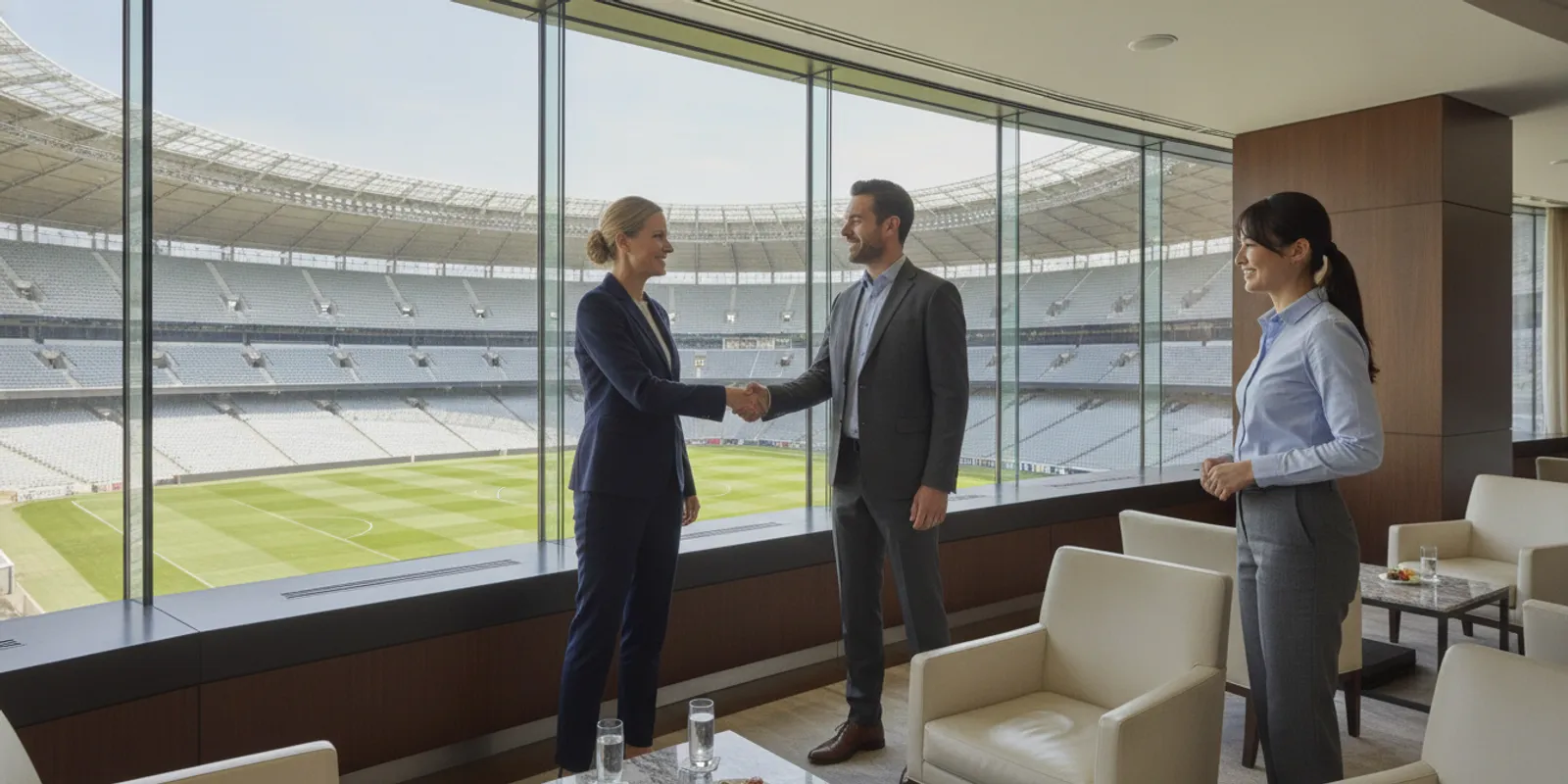
The best format depends on the type of interaction you want. A single-day event can be focused and straightforward for guests with limited availability. A multi-day visit may allow more time together, but it also adds decisions about lodging, arrivals, departures, and pacing. A hospitality setting can make a large event feel more manageable, but it does not automatically create privacy or uninterrupted conversation.
Use the table below to frame the discussion. It compares broad planning approaches, not guaranteed package features. Availability and inclusions depend on the event and the proposal.
| Format | Can suit | Planning questions |
|---|---|---|
| Event day only | Guests with limited time, or a focused relationship touchpoint. | How will arrival, event access, and departure work? Is there a natural time to meet? |
| Event plus hospitality | Hosts who want a shared setting around the main event. | What are the hospitality hours and setting? Does the schedule leave time for the event itself? |
| Multi-day event visit | Groups seeking a longer shared experience or traveling from different places. | What lodging, transportation, and free-time choices need coordination? |
| Custom group itinerary | Groups with a defined objective, varied guest needs, or more complex logistics. | Which elements are essential, who approves decisions, and what is the timeline for confirming them? |
Do not select a format based only on how much it includes. More scheduled elements can create a demanding itinerary. Instead, protect the moments that matter to your objective. If the aim is conversation, identify when the host and guest can talk naturally. If the aim is recognition, check whether the event experience feels like a meaningful reward to the people invited.
What logistics should be settled before invitations go out?
Guests should receive a clear, accurate picture of the experience. Before sending invitations, establish what is confirmed, what is still being arranged, and who will answer questions. A polished invitation cannot compensate for uncertainty about basic details such as dates, arrival plans, or what the guest should expect at the venue.
- Set the decision boundaries. Confirm the event, preferred dates, approximate group size, budget range, and the purpose of hosting. Identify who has authority to approve a proposal.
- List guest requirements. Gather relevant travel timing, accessibility, dietary, and scheduling considerations through an appropriate private channel.
- Request a clear proposal. Ask for itemized inclusions, exclusions, assumptions, pricing, payment terms, and a contact for questions. Have alternatives identified if availability is uncertain.
- Map the guest journey. Review how guests will get from arrival to the event, where they will meet the host, and how they will leave. Identify handoffs and points where instructions are needed.
- Confirm before communicating. Verify dates and arrangements, then send guests a concise itinerary with contact details, dress guidance if available, and the next steps.
- Assign a host and follow-up owner. Make sure someone is responsible for greeting the group and another person is ready to continue the business conversation afterward.
Use a single working document for decisions. Record the latest version of the guest list, confirmed arrangements, open questions, responsible person, and due date. This simple process helps prevent conflicting messages when several colleagues are involved.
Plan for reasonable changes. A guest may arrive late, a meeting may run over, or an event schedule may shift. Ask the provider how updates will be shared and who can make decisions during the event. Do not promise guests a specific feature until it is confirmed in the written plan.
How can you evaluate the business purpose and cost?
Set a total working budget before choosing a package. Include the quoted package cost and any separate travel, lodging, local transport, meals, or incidental expenses that your organization expects to cover. Ask which costs are estimates and which are confirmed. For a group, check whether the proposal is priced per person, as a group total, or in another way.
Then compare the cost with the purpose, not with prestige alone. A more expensive option may be justified if it meets a clear need for your guests, but price by itself does not establish that it is the right choice. A simpler format may be more effective if the group needs a focused visit and a comfortable amount of time together.
Accounting and tax treatment can depend on the facts and current rules. The IRS explains that some ordinary and necessary entertainment expenses may be deductible when they meet a directly-related or associated test; this is not a blanket rule for every event or expense. Review the IRS travel and entertainment expense guidance and ask your tax adviser how the rules apply to your circumstances. Keep the decision about hosting value separate from a tax assumption.
For organizations comparing business travel choices, a broader look at the role of corporate travel may help put the event in context. The useful measure is whether the experience has a clear purpose, a feasible plan, and a responsible follow-up path, not simply whether the group attended a high-profile event.
How should you host during and after the event?
Agree on the host’s role before the day begins. One person can welcome guests and keep track of timing, while another can help with introductions or practical questions. Avoid turning the gathering into a sequence of sales pitches. The event is a setting for a relationship; guests should have room to enjoy it and talk at a natural pace.
Make introductions with context. A short explanation of why people are meeting can help guests feel included. Listen for what they want to discuss rather than forcing every conversation back to a planned agenda. If business topics need privacy, choose an appropriate time and place instead of assuming a lively event setting will support a detailed discussion.
Afterward, follow up in a way that reflects the purpose of the invitation. Thank guests, share any agreed next steps, and make sure useful commitments have an owner and date. If the event was primarily recognition, a sincere note can be more appropriate than an immediate commercial request. The follow-up is part of the experience, not an afterthought.
A company considering events for a particular audience can also review the range of music event experiences as an example of how event choice shapes the occasion. Select an event that genuinely suits the guests rather than assuming a popular event will be right for every client.
What should you ask before requesting a proposal?
A focused inquiry makes it easier to receive a useful response. Share the event or type of experience you are considering, the purpose of the invitation, the likely group size, date range, budget boundaries, and any important requirements. You do not need every detail finalized, but distinguish firm needs from preferences.
- What is included, and what must be arranged or purchased separately?
- Which details are confirmed now, and which depend on availability?
- What does the proposed schedule look like from arrival through departure?
- Who will coordinate questions and changes before and during the event?
- What are the payment, cancellation, and change terms?
- What information is needed from our organization to prepare a tailored option?
Make a short brief that records your audience, purpose, dates, group size, budget range, and decision deadline. If your event selection is still open, include two or three possibilities and state what matters most about each. That gives a provider room to recommend an appropriate direction without losing sight of your priorities.
Request a conversation about your group and event goals
For corporate buyers, a tailored conversation is more useful than assuming one standard package fits every guest list. Superior Executive Services creates end-to-end experiences for sporting events and entertainment venues; begin with the outcome you want and confirm the specific access, hospitality, and logistics in a proposal.
Discuss options for your client entertainment package
Frequently asked questions about client entertainment packages
What should a client entertainment package include?
There is no single checklist that applies to every event. Confirm the event access, hospitality setting and hours, food and beverage arrangements, lodging or transport scope, coordination contact, price, exclusions, and terms. Ask for each item in writing so you can compare proposals fairly.
How far in advance should a company plan?
The useful lead time depends on the event, group size, availability, and the decisions your organization must make. Start once you know the likely dates and audience, then ask which details need early confirmation. Set a decision deadline that leaves time to communicate accurate information to guests.
Are client entertainment expenses tax deductible?
Tax treatment depends on the expense and the facts, so do not assume that a package is deductible. IRS guidance describes tests that may apply to certain ordinary and necessary entertainment expenses. Ask a qualified tax adviser to assess current rules and your organization’s situation.
How do I choose an event for clients who have different interests?
Consider what the guests have in common, how familiar they are with the event, and how much time they can commit. If preferences vary, favor a format that lets people participate comfortably and gives the host room to connect. Ask guests discreetly about practical needs before confirming the plan.
What information should I provide when requesting a quote?
Share the event or possible event, date range, approximate group size, hosting objective, budget range, and any accessibility, travel, or scheduling requirements. Identify what is essential and what is flexible. This helps the provider shape relevant options and highlight assumptions that still need a decision.
A well-chosen client entertainment package starts with a clear purpose, a realistic view of the guest experience, and written confirmation of the details that matter. Use those priorities to guide the proposal conversation and the follow-up after the event.