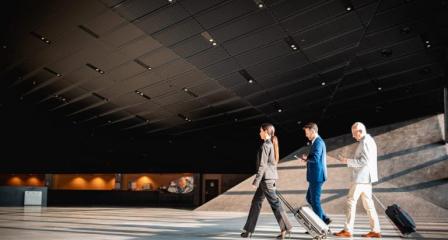
French Open VIP hospitality is not simply a better ticket. For affluent travelers and corporate hosts, it is a coordinated Paris experience in which court access, private hospitality, dining, transportation, and guest care must work together. The smartest plan starts with the purpose of the trip, then matches the right session and service level to the people you most want to impress.
Request a private French Open hospitality consultation
This decision guide explains the tradeoffs that matter before a host commits. It covers package selection, quote-based budgeting, host-to-guest ratios, arrival and departure sequencing, and contingency planning without pretending that one itinerary fits every group. Use it to define a stronger brief before asking for availability and a final proposal.
Understand what French Open VIP hospitality includes
French Open hospitality generally combines a premium match seat with access to a hosted space, food and beverage service, and a more controlled arrival experience. The exact inclusions vary by date, session, venue, and package, so decision-makers should verify every component in writing before treating an option as complete.
At Roland-Garros, the seat is only one part of the value. A lounge or private area gives guests a comfortable base before play and between matches. That base can be especially valuable for senior executives, multigenerational families. Or travelers who want to enjoy the tournament without spending an entire day navigating crowds, queues, and concessions.
Premium seating and session-specific access
Hospitality options may pair access to a private venue with premium seating on a show court. Confirm the named court, seat category, round, and session on the proposal. A strong view on Philippe-Chatrier can be excellent, but it does not automatically provide access to every court or every match occurring that day.
Also ask whether the ticket is valid for a day session, an evening session, or another defined period. Tournament programming can change, and a hospitality booking should be evaluated against the access actually promised rather than an assumed player or matchup.
Hospitality spaces, dining, and service
Official hospitality can include spaces such as Le Pavillon, La Mezzanine, or L’Orangerie, depending on the current offering. The best choice is not always the most formal room. It is the space that suits the group’s desired pace, privacy, dining preferences, and willingness to move between the lounge and seats.
Review meal format, beverage inclusions, service windows, dress expectations, dietary accommodation, and whether the space is shared or exclusive. For current package descriptions and terms, consult the official Roland-Garros hospitality provider and confirm details again in the final quote.
| Decision point | Standard ticket approach | Hospitality approach |
|---|---|---|
| Match access | Defined by the ticket purchased | Premium seat tied to a defined package and session |
| Guest base | Public areas and concessions | Hosted lounge, restaurant, or private space |
| Dining | Purchased separately | Specified food and beverage service may be included |
| Hosting control | Limited privacy and meeting space | More controlled setting for conversation and guest care |
| Planning need | Ticket and personal logistics | Integrated access, transport, dining, and guest coordination |
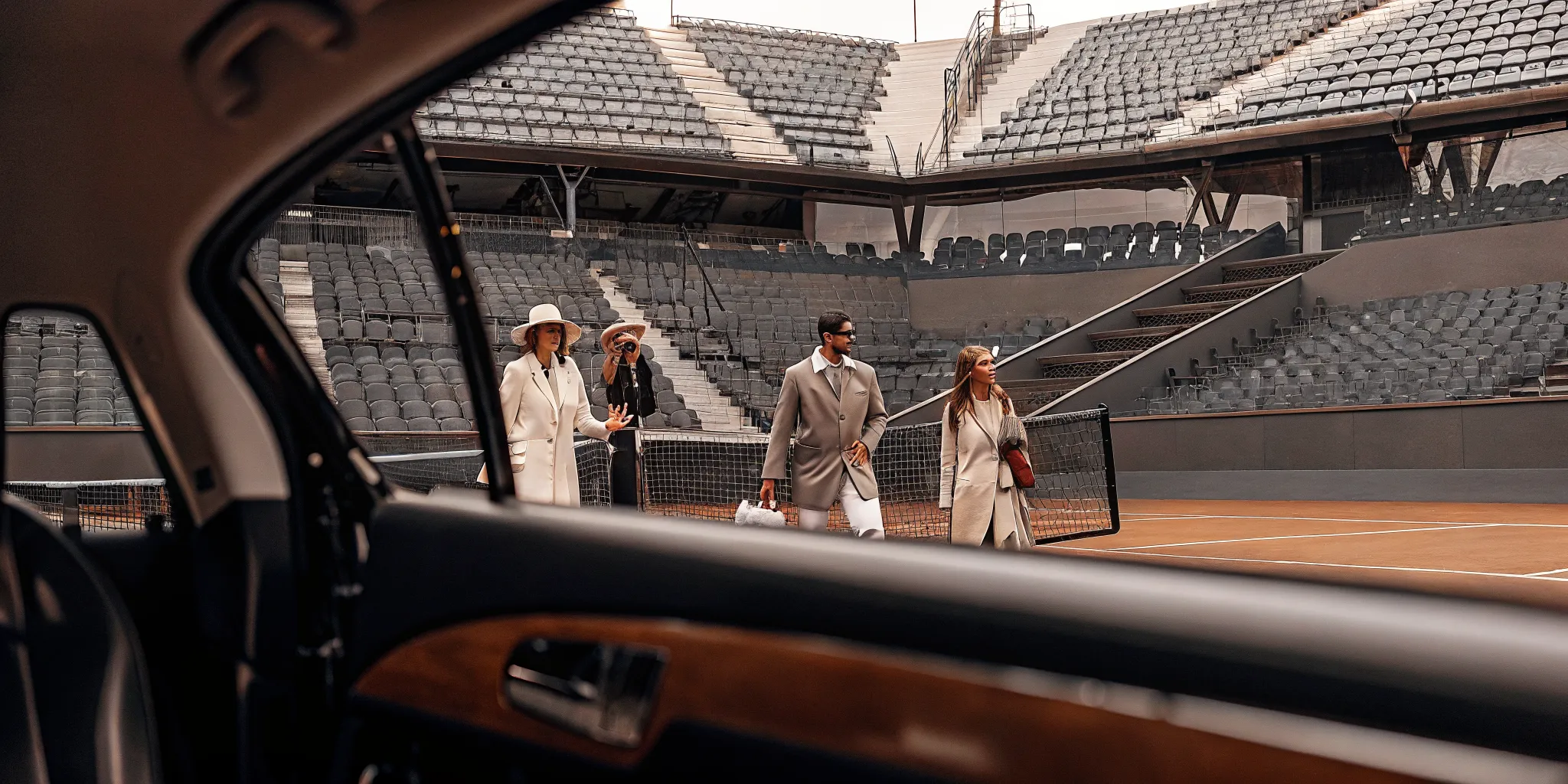
Choose the right session for the purpose of the trip
Choose a session by balancing tennis depth, guest stamina, business objectives, and the surrounding Paris itinerary. Day sessions can deliver more time at the grounds, while evening sessions can feel more focused and fit after daytime meetings. Neither is universally better; the right choice supports the host’s intended outcome.
Day sessions favor immersion and flexibility
A day session is often the stronger choice for passionate tennis followers who want a fuller tournament atmosphere. It can also work well for families and leisure groups that prefer to make Roland-Garros the primary activity. More time on site creates flexibility, but it also increases fatigue risk and requires careful planning around meals, weather, and breaks.
For a corporate group, a full day can generate valuable informal conversation. However, it may be too large a time commitment for guests with limited availability. Hosts should avoid assuming that more hours automatically means more value. A long day is only successful when guests remain comfortable, engaged, and free to leave without friction.
Evening sessions favor focus and a tighter schedule
An evening session can pair naturally with a daytime meeting, private tour, or arrival into Paris. It may provide a more concentrated hosting window and a distinctive after-dark atmosphere. The tradeoff is less tolerance for delays: a late flight, extended dinner, or slow transfer can consume a meaningful portion of the experience.
Because match duration is uncertain, evening hosts also need a flexible departure plan. Guests should know whether cars will wait, whether staged departures are possible, and how late-night dining or hotel arrivals will be handled if play runs long.
Early rounds versus finals weekend
Earlier rounds may appeal to guests who value seeing multiple players and a broader sense of the tournament. Later rounds and finals carry greater prestige and demand but may offer fewer choices and less flexibility. The strongest decision considers the guest’s tennis interest, the symbolic value of the occasion, and the cost of reduced availability.
Build a realistic quote-based budget
French Open trip budgets are driven by far more than the hospitality ticket. Date, round, group size, privacy, hotel category, length of stay, transport coverage, dining, and concierge support all affect the final quote. Set a total experience range first, then decide which elements deserve the greatest share of investment.
Superior Executive Services’ verified corporate group budgets commonly range from $10,000 to $100,000+ depending on scope. That range is context, not a published package price or a promise of availability. Final French Open pricing is quote-based, and flights may not be included unless they are specifically listed in the proposal.
The largest budget drivers
- Tournament date and round: High-demand sessions, semifinals, and finals typically create tighter availability and a higher overall investment.
- Hospitality format: Shared lounge access and a dedicated private suite solve different hosting needs and should not be compared on ticket cost alone.
- Group size and composition: More guests increase access, transport, dining, room, and coordination requirements. Executives arriving from different cities add complexity.
- Paris accommodation: Hotel level, room category, location, length of stay, and flexible check-in terms can materially change the total.
- Ground transportation: One transfer is different from a dedicated vehicle program with airport greeting, standby time, alternate cars, and staged departures.
- Ancillary experiences: Private dining, cultural access, security, interpreters, gifting, and guest support can elevate the trip but should be selected deliberately.
Protect the priorities before trimming the plan
When a preliminary scope exceeds budget, protect the elements most closely tied to the trip’s purpose. A corporate host may retain the right hospitality environment and reduce an optional dinner. A family may prioritize hotel location and transport ease over a private space. The right reduction removes low-impact extras without weakening the guest experience.
Ask for a proposal that separates core components from optional enhancements. Also confirm taxes, service fees, cancellation terms, payment schedule, and any currency exposure. A clear quote makes it easier to compare options and reduces the chance that an apparently less expensive package becomes more costly after essential logistics are added.
Set the right host-to-guest ratio
A practical host-to-guest ratio depends on guest seniority, familiarity, mobility, and itinerary complexity. As a planning rule, one prepared host can often guide four to six self-sufficient guests, while higher-touch groups may need one host for every two to four guests. The goal is responsive care without hovering.
Ratios matter because hospitality failures often happen between planned moments. One guest cannot find the car. Another needs an earlier departure. A client has a dietary concern. If the sole host is deep in conversation, small issues can become visible disruptions. Assigning enough support preserves both the relationship-building objective and the operational plan.
Separate relationship hosts from operational hosts
For corporate entertaining, the senior relationship owner should not also be the only logistics contact. Their attention belongs with clients, not on driver calls, ticket retrieval, or schedule changes. Designate an operational host or concierge lead who holds the master itinerary, supplier contacts, guest preferences, and authority to make adjustments.
For an eight-person client group, for example, a senior executive and a relationship manager might focus on conversation while a separate coordinator handles movement and exceptions. That is not excessive staffing when the guests are high value. It is a way to protect the business purpose of the event.
Use guest profiles to determine support
Before setting the ratio, assess whether guests know one another, speak the same language, have accessibility needs, or are comfortable navigating independently. A group of experienced travelers may require little visible support. A multigenerational family or international executive group with separate arrival times may need much more hands-on coordination.
For broader support beyond the tournament, explore concierge travel services that can connect accommodations, transfers, reservations, and guest communication into one plan.
Sequence arrivals, match-day movements, and departures
The strongest itineraries work backward from fixed access times and build generous buffers around uncertain movements. Sequence airport arrivals, hotel check-in, pre-match gathering, venue entry, and post-match departures so guests never need to solve logistics themselves. A visible plan should feel effortless even when substantial coordination is happening behind the scenes.
Arrival into Paris
Avoid placing an important hospitality session too close to an international arrival. Immigration, baggage, traffic, and early hotel access can all vary. When same-day attendance is unavoidable, create a conservative cutoff, prepare luggage handling, and define what happens if a guest misses the preferred group departure.
For groups arriving on different flights, use a shared arrival manifest with flight numbers, terminal details, mobile contacts, luggage estimates, and driver assignments. Give each guest one clear point of contact. A polished greeting and uncomplicated transfer establish confidence before the formal hosting begins.
Match-day arrival
Set a private gathering point at the hotel or another controlled location, then depart in waves if the group is too large for one vehicle. Build time for security, walking, ticket checks, and orientation inside the grounds. Guests should know the meeting time, dress guidance, allowed items, and what to do if separated.
Do not promise a specific gate or access process unless it is confirmed for the purchased package. Instead, include the verified entry instructions in the final guest brief and have the operational host recheck them shortly before the event.
Departure after play
Post-match departure is harder to predict than arrival because play can run long and many guests leave at once. Use a staged plan: identify the primary pickup, a backup meeting point, driver communication protocol, and options for guests who want to leave early. If the group has different energy levels, one mandatory departure time can undermine an otherwise excellent day.
Discuss a tailored corporate event hospitality plan
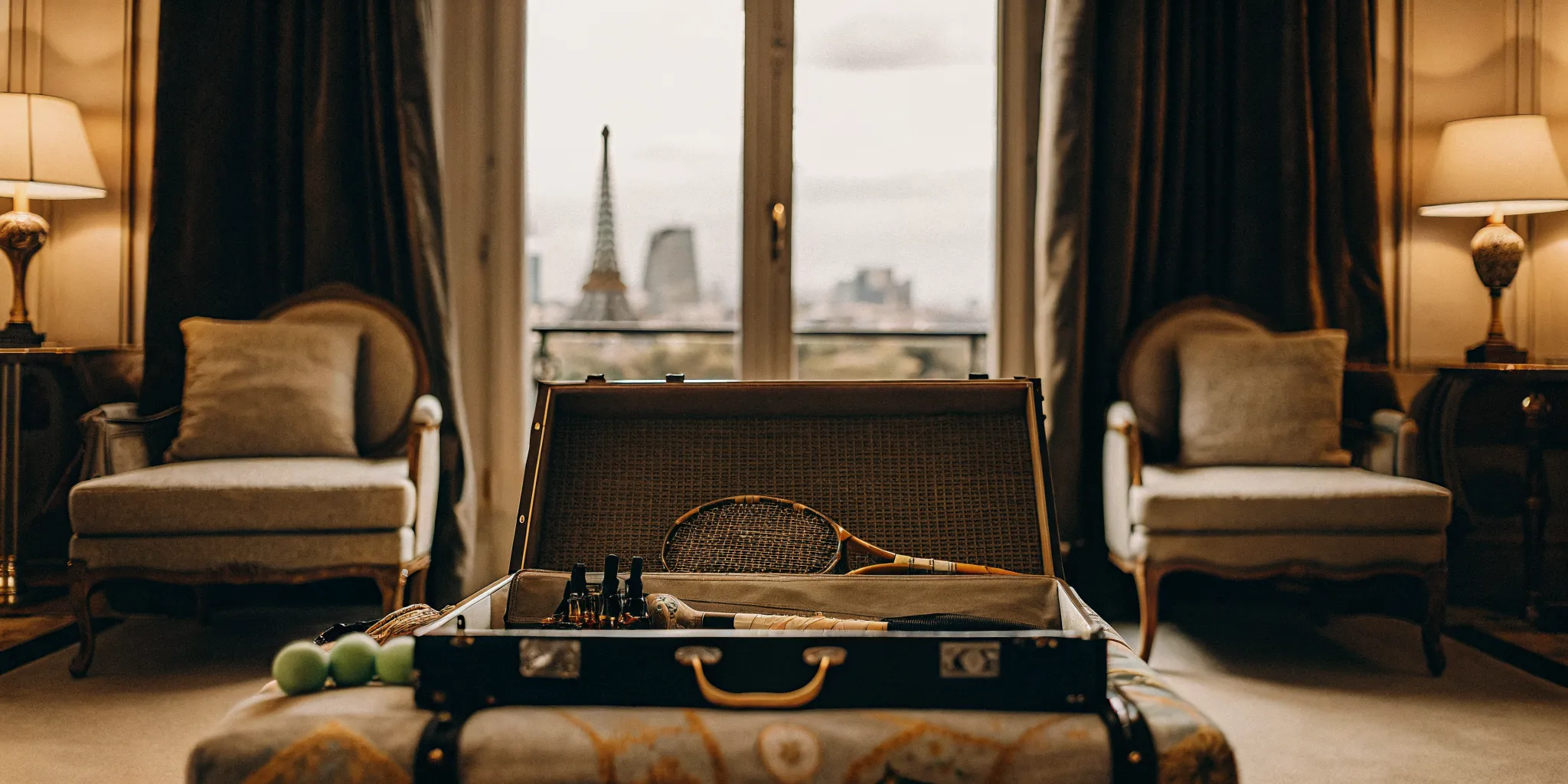
Prepare contingencies without making the day feel rigid
Contingency planning should cover weather, schedule changes, transport delays, guest illness, lost access credentials, and split departures. The best backup plans are specific enough to activate quickly but discreet enough that guests never feel managed by a checklist. Assign ownership, decision deadlines, and communication channels before the day begins.
Weather and match schedule changes
Clay-court tennis is sensitive to weather, and match timing can shift. Confirm what the ticket and hospitality terms provide if play is delayed, interrupted, or rescheduled. Do not assume that hospitality access, refunds, or replacement tickets will be handled in a particular way. Written terms should guide the financial plan.
Operationally, prepare a comfortable waiting option, flexible dining timing, and a process for updating cars. Guests should know what is changing and what is not. A short message such as, “Cars remain on standby; lunch continues as planned; next update at 3:00,” is more reassuring than frequent speculation.
Transport and communication backups
Every important movement should have a primary contact, backup contact, pickup location, and alternate location. Keep guest messages concise and send them through an agreed channel. For larger groups, a printed or digital guest card with the host number, hotel address, and meeting point is a simple safeguard.
Drivers need the same version of the itinerary as the host, plus realistic instructions about waiting and changes. If vehicles cannot remain near the venue, define how recall will work. For critical movements, a backup vehicle or vetted alternative may be more valuable than another decorative enhancement.
Guest-specific contingencies
Record dietary needs, accessibility requirements, medication or mobility considerations voluntarily shared by guests, and emergency contacts where appropriate. Handle that information discreetly. A thoughtful host also anticipates the possibility that a guest becomes tired, receives an urgent call, or prefers to return to the hotel before the group.
Apply the framework to a corporate hosting example
A strong corporate plan starts with the desired relationship outcome, then designs every choice around guest comfort and meaningful conversation. The following hypothetical example shows how a host might combine a defined session, suitable staffing, deliberate transport, and flexible Paris logistics. It is an example only, not a package or price quote.
Example: hosting six priority clients
Hypothetical example: A technology company invites six priority clients and their two relationship leaders to Paris. The objective is to deepen relationships in a relaxed setting without taking clients away from their businesses for an entire day. Several guests are international, one has limited mobility, and two need to leave promptly after play.
The company selects an evening hospitality session because it supports daytime meetings and creates a focused shared experience. It appoints one operational coordinator in addition to the two relationship leaders. Producing an effective ratio of one logistics-focused host for eight guests while the executives remain present with clients.
Guests stay at the same service-oriented hotel. The coordinator collects flight details and confirms a private afternoon gathering point. Two vehicles depart together with enough time for venue access. A third vehicle is held as a departure option for the guests who must leave early. While the main cars remain flexible for those who stay until the end.
The host’s briefing includes hospitality access, meal timing, dietary notes, dress guidance, mobile contacts, and a rain-delay plan. The budget is quote-based and evaluates hospitality, hotel rooms, transport coverage, and coordinator support as one experience. Flights are treated as a separate line unless the final proposal explicitly includes them.
Why this plan works
The session matches the clients’ schedules, the relationship leaders are protected from operational distractions, and departure flexibility respects individual needs. Most importantly, the experience has a clear business purpose. The company is not paying only for prestigious seats; it is creating an environment in which valued guests can connect comfortably.
This framework can scale up or down. A smaller leisure group may need no dedicated coordinator, while a larger corporate program may require multiple hosts, separate vehicle captains, security, interpreters, and a private hospitality space. Scale should follow complexity, not simply headcount.
Use a decision checklist before requesting a quote
Before requesting options, document the group’s purpose, preferred dates, acceptable sessions, guest count, privacy needs, total budget range, and Paris logistics. A precise brief helps an advisor distinguish essential requirements from optional upgrades. It also makes competing proposals easier to compare on value, risk, and guest experience rather than headline price.
- Define success: State whether the trip is for client development, executive recognition, family celebration, or tennis immersion.
- Profile the guests: Record likely attendance, travel origins, mobility, dietary needs, and preferred pace.
- Rank session choices: List acceptable dates, rounds, and day or evening preferences rather than relying on one unavailable option.
- Specify hospitality needs: Decide whether a shared premium space is suitable or whether confidential conversation requires greater privacy.
- Set the budget framework: Provide a realistic total range and ask which components, taxes, fees, and flights are included.
- Plan the Paris stay: Align hotel location, room categories, dining, and cultural plans with the tournament schedule.
- Assign host roles: Separate relationship ownership from logistics when guest value or complexity justifies it.
- Design transport: Include arrival manifests, match-day buffers, staged departures, and alternate pickup instructions.
- Confirm terms: Review names, access, delivery method, cancellation terms, and weather or schedule-change policies.
- Prepare guest communication: Send one concise itinerary and establish a clear point of contact.
A specialist can then turn the brief into a coordinated itinerary. Superior Executive Services can connect tournament hospitality with accommodations, transport, dining, and guest support, helping decision-makers assess the entire experience rather than solving each part in isolation.
Frequently Asked Questions
What does French Open VIP hospitality usually include?
It generally combines a premium match ticket with access to a designated hospitality space and specified food and beverage service. Inclusions vary by package, session, and date. Confirm the court, seat category, lounge, dining, entry instructions, service times, and terms in the final written quote.
How far in advance should I plan a French Open hospitality trip?
Begin as early as practical, especially for finals, larger groups, private spaces, and preferred five-star hotels. Early planning creates more choice and time to coordinate guests. Availability changes, so a planning lead time is not a guarantee; confirm live inventory before arranging nonrefundable surrounding travel.
Are flights included in French Open hospitality packages?
Not necessarily. Flights may be excluded unless they are specifically identified in the proposal. Ask for an itemized quote showing hospitality, accommodations, ground transportation, concierge support, taxes, fees, and air travel. This makes the full trip cost clearer and avoids assumptions about what the package covers.
Is a day or evening session better for corporate hosting?
A day session suits guests who want deeper tournament immersion and have more time. An evening session can fit after meetings and create a tighter hosting window. Choose according to guest availability, stamina, conversation goals, and departure needs, then verify the access attached to the exact session.
How should hosts plan for rain or schedule changes?
Review the package terms, prepare a comfortable waiting option, keep dining and transport flexible, and set a clear update process. Assign one person to monitor official information and communicate decisions. Never assume a delay guarantees a refund, replacement ticket, or identical hospitality access; rely on the written terms.
Plan your French Open experience with confidence
The best French Open experience aligns access, service, and logistics with the people attending and the outcome the host wants to achieve. A thoughtful advisor can test assumptions, explain tradeoffs, and coordinate the details around the tournament so guests experience Paris with confidence rather than operational friction.
Superior Executive Services can help frame the right hospitality brief, coordinate the wider Paris itinerary, and prepare a clear, quote-based plan. Begin with your preferred dates, guest count, purpose, and approximate total budget. From there, the team can identify suitable options and build the support around them.